When a homeowner calls with a warranty question, every minute spent searching for information adds cost, delays service, and creates frustration.
Yet for many builders, the answer is buried somewhere inside dozens of PDFs. Floor plans live in one folder. Appliance manuals are stored somewhere else. Finish selections sit in email attachments. Warranty documents are scattered across multiple systems.
The information exists.
Finding it is the problem.
As homes become more sophisticated and homeowner expectations continue to rise, service teams need more than digital copies of documents. They need connected information that helps them answer questions quickly and resolve issues confidently.
PDFs Were Never Built for Modern Home Service
PDFs remain one of the most common ways builders organize project documentation.
They're easy to create, simple to share, and preserve information in a consistent format.
But once construction is complete, PDFs become difficult to use operationally.
Service coordinators aren't reading entire specification books every time a homeowner calls. They're trying to answer questions like:
- What flooring was installed in the primary bedroom?
- Which HVAC unit serves this side of the house?
- What paint color was used in the guest bathroom?
- Where is the shutoff valve located?
- Which subcontractor completed this work?
- Is this item still under warranty?
When those answers require opening five different PDFs and searching through hundreds of pages, service slows down.
The challenge isn't documentation.
It's accessibility.

Every Minute Searching Is Time Not Serving Homeowners
Warranty departments often handle dozens of homeowner requests every week.
Every request starts with gathering context.
Without a centralized system, service teams often spend valuable time:
- Searching shared drives
- Opening multiple PDFs
- Reading specification books
- Looking through archived emails
- Contacting construction teams for answers
- Asking trades to confirm installation details
Those minutes quickly become hours across hundreds or thousands of homes.
More importantly, homeowners notice the delay.
Fast, informed responses build confidence. Slow responses create unnecessary friction.
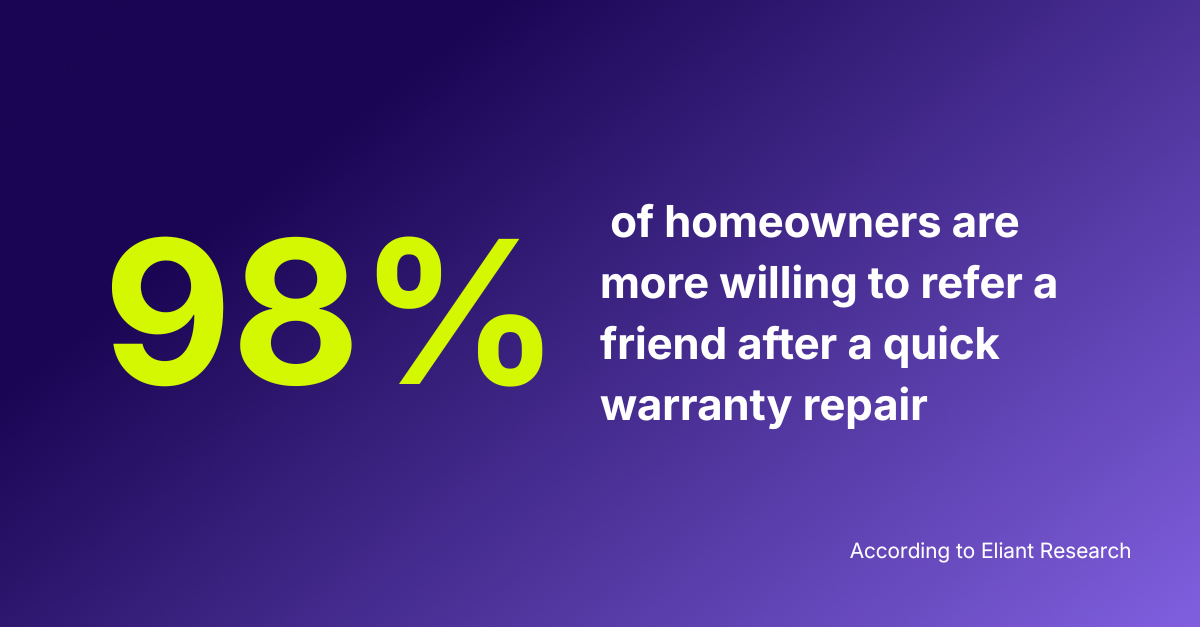
Homeowners Expect Instant Answers
Consumers have become accustomed to finding information immediately.
They can check shipping updates, access medical records, view bank statements, and manage insurance policies from their phones.
Naturally, they expect similar access to information about one of their biggest investments: their home.
Instead of receiving dozens of disconnected PDFs, homeowners increasingly expect a complete digital record that helps them understand:
- Their home's systems
- Installed products
- Maintenance schedules
- Warranty coverage
- Finish selections
- Important documentation
Providing that experience reduces service requests while giving homeowners more confidence in their home.
Information Is Most Valuable When It's Connected
The future of warranty service isn't creating more documentation.
It's connecting the documentation builders already have.
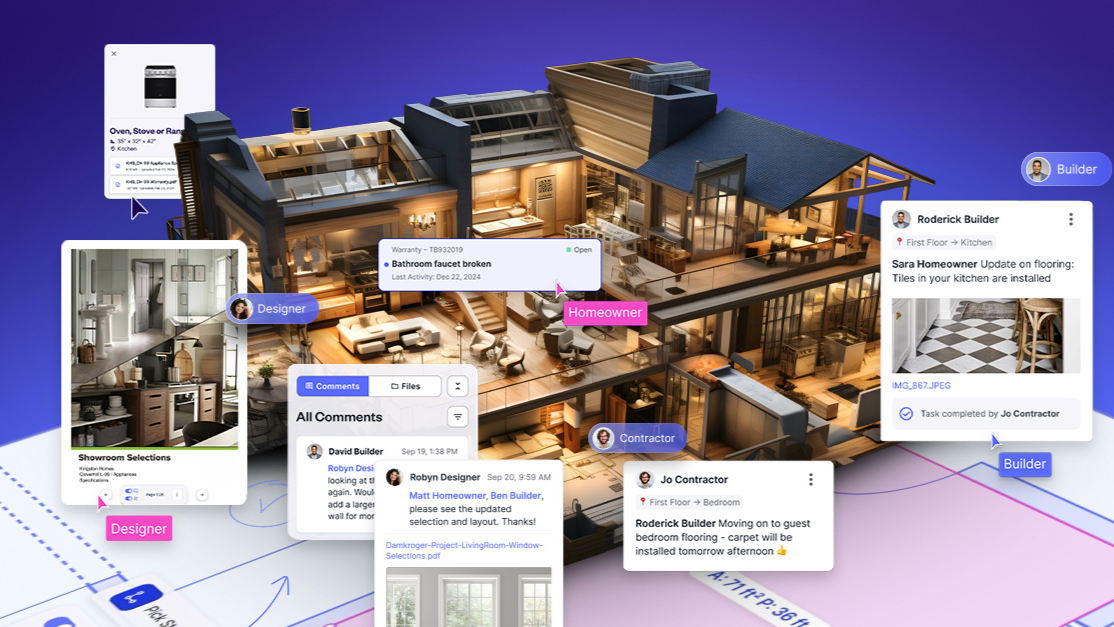
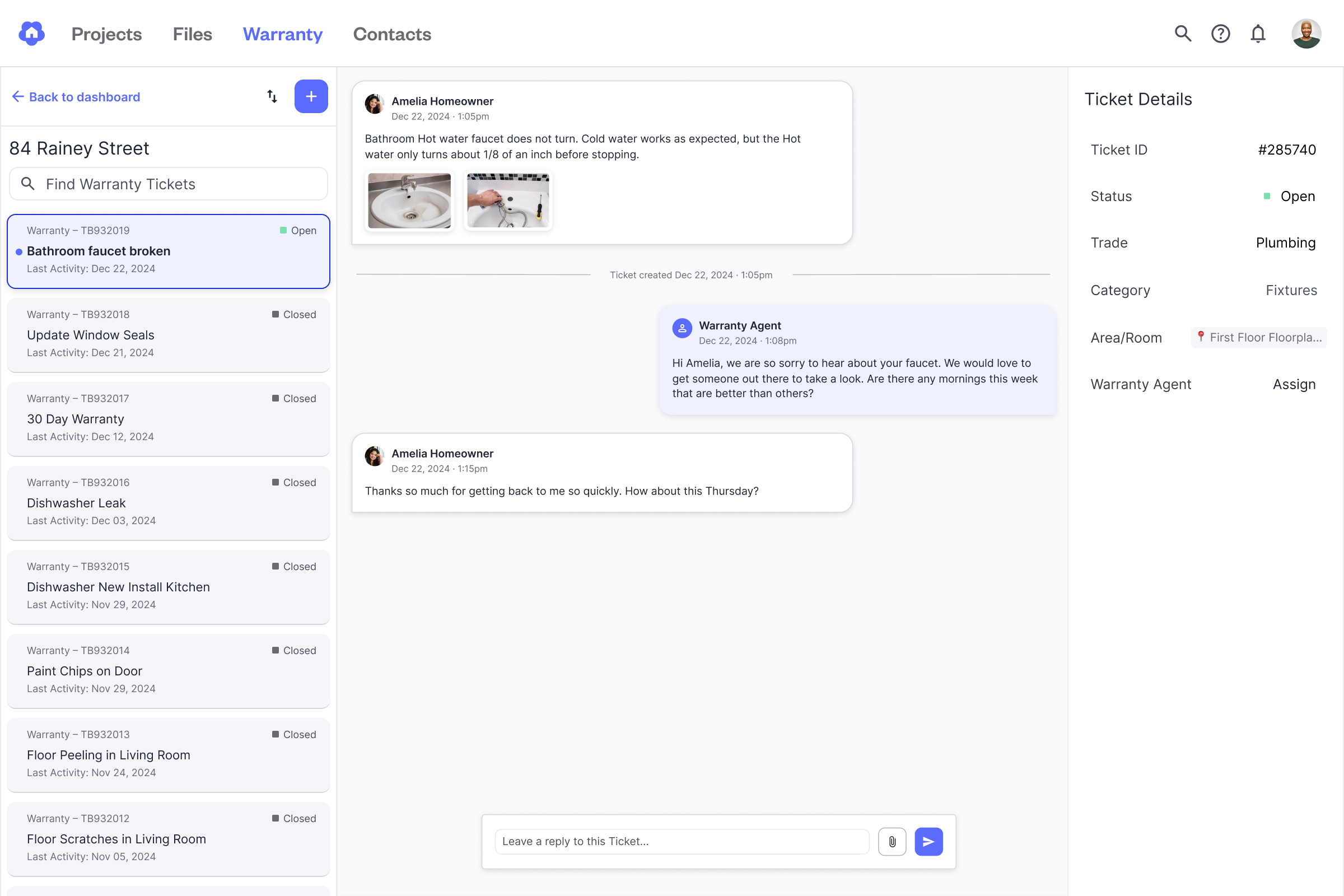
Imagine a service coordinator receiving a homeowner question and immediately seeing:
- The room being discussed
- Related floor plans
- Installed products
- Warranty documents
- Product manuals
- Photos
- Specifications
- Change orders
- Previous service history
Instead of hunting through folders, everything is connected around the home itself.
That context dramatically reduces the time required to resolve issues.
From Static Files to a Living Digital Home Record
This is where builders are beginning to rethink the traditional handoff.
Rather than delivering a folder full of PDFs, they're creating a living digital record of the home.
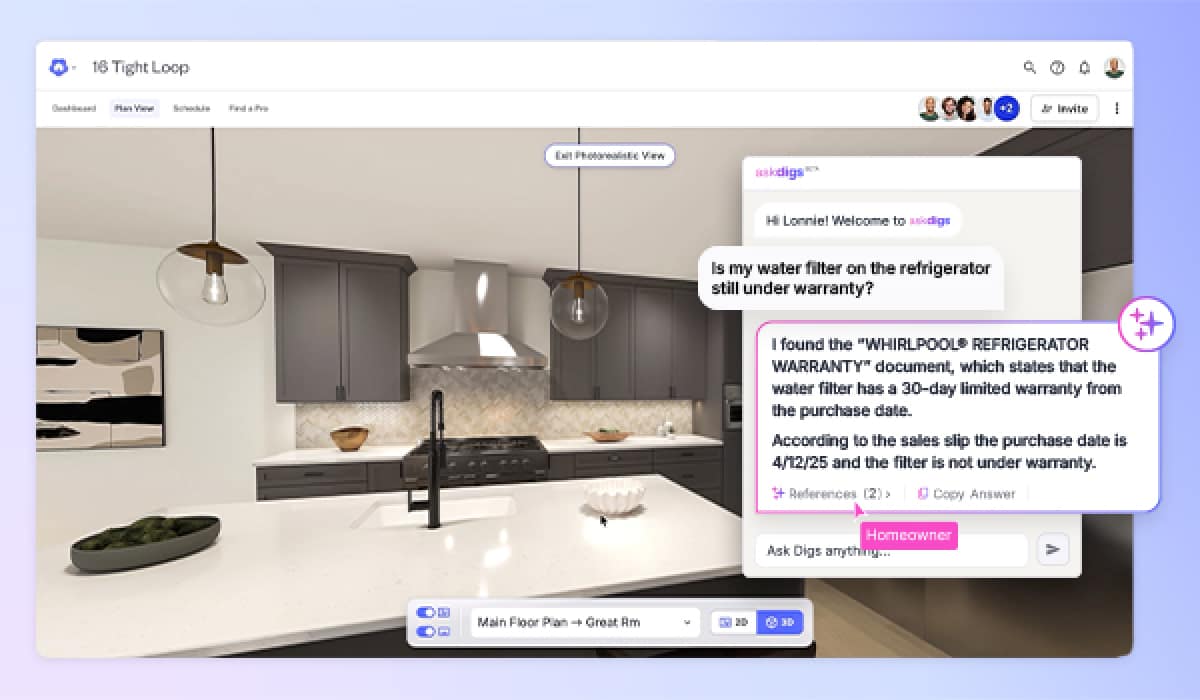
With Digs, construction documents don't simply get stored. They become part of a digital twin that connects plans, specifications, selections, manuals, photos, warranties, and project history into one searchable experience.
Instead of asking, "Which PDF contains the answer?" service teams can simply search across the home's information or use AskDigs AI to quickly surface the documents and details they need.
For homeowners, that means one place to access everything about their home.
For builders, it means faster service, fewer repetitive questions, and a better ownership experience.
%20(1).png)
Better Service Starts With Better Access to Information
The best service teams aren't successful because they have more documents.
They're successful because they can find the right information when it matters.
As homes become more connected and homeowner expectations continue to evolve, static PDFs are no longer enough to support efficient warranty operations.
Builders who centralize project information into a connected digital home record can empower service teams to respond faster, improve homeowner satisfaction, and deliver an ownership experience that extends well beyond move-in.
Because great service isn't about having more files.
It's about making every home understood.
Digs is an AI-powered collaboration software built for homebuilders. From pre-con to aftercare, it keeps your team, trades, and clients aligned with one centralized workspace for decisions, documentation, digital handoff, and ongoing warranty support.
Unlock a happier home at Digs.com