Email has been the backbone of construction communication for decades. It is familiar, easy to access, and everyone already has an email address. But just because email is common does not mean it is the best way to manage today's construction projects.
Modern homebuilding involves thousands of documents, dozens of stakeholders, constant design updates, and homeowners who expect faster communication than ever before. Trying to manage all of that through email creates problems that grow with every project.
If your inbox feels like your project management system, you are not alone. But it may also be costing your team valuable time.
Why Construction Teams Still Depend on Email
Construction companies did not choose email because it is perfect. They chose it because it was available.
For years, email has been the easiest way to:
- Share plans and drawings
- Send change orders
- Answer questions from trades
- Coordinate with suppliers
- Communicate with homeowners
- Deliver important project documents
The problem is that email was designed for communication, not collaboration.
As projects become more digital, email struggles to keep up.
The Hidden Costs of Running Projects Through Email
Most teams do not realize how much time they spend managing their inbox instead of managing projects.
Here are a few of the biggest challenges.
Information Gets Lost
Important files quickly disappear into long email threads.
A superintendent needs the latest floor plan.
A warranty manager needs an appliance manual.
A homeowner wants to find paint colors five years later.
Instead of finding the information immediately, someone has to search through folders, inboxes, or old messages hoping the file still exists.
“Digs lets our super on site open the spec, zoom in, and confirm the exact finish. No guesswork, no callbacks, no installing the wrong door.” - Chris Williams, Williams Contracting
Multiple Versions Create Confusion
How many times has someone asked:
"Is this the latest plan?"
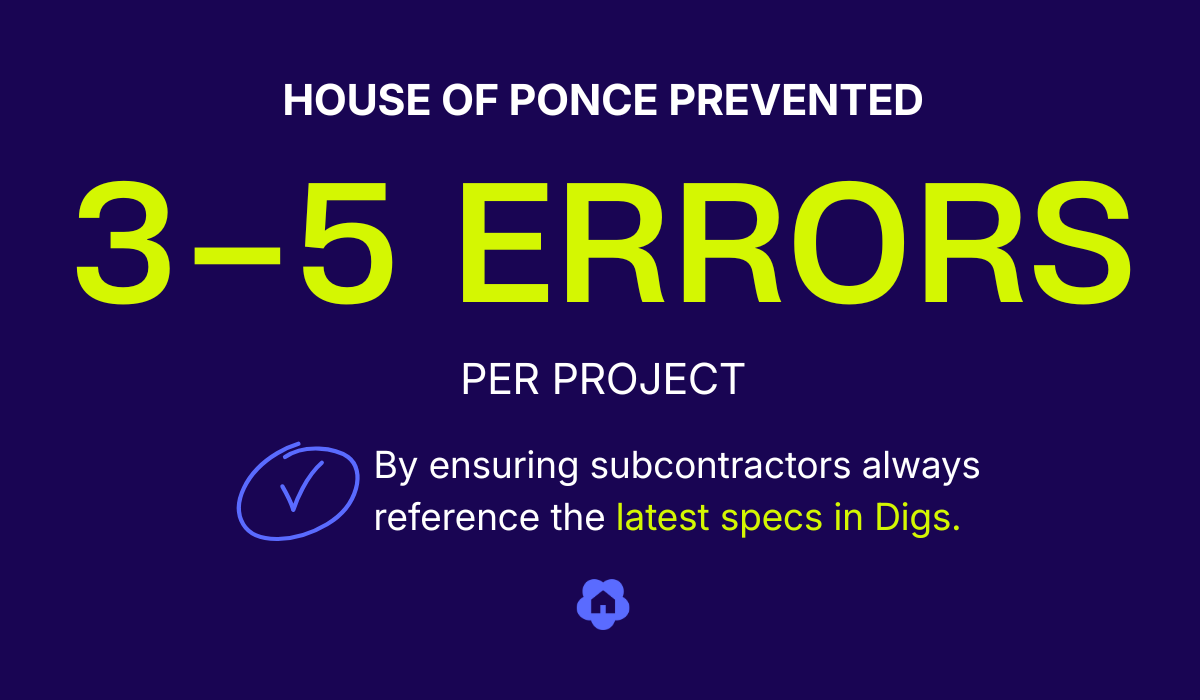
When documents are emailed back and forth, it becomes difficult to know which version is correct.
One outdated attachment can lead to expensive mistakes in the field.
Communication Becomes Fragmented
A single project may involve builders, designers, architects, trade partners, suppliers, and homeowners.
When every conversation happens in separate email chains, nobody has the full picture.
Questions get repeated.
Updates get missed.
Decisions become harder to track.
New Team Members Start Behind
When someone joins a project halfway through, they often spend hours reading old email conversations just to understand what has happened.
That is valuable time that could be spent moving the project forward.
Homeowners Feel Left Out
Today's homeowners expect a digital experience.
They can track packages, manage their finances, and book travel from their phones. They expect the same level of visibility during one of the biggest purchases of their lives.
Instead, many receive dozens of disconnected emails with attachments they may never find again.
That creates frustration before they even move into their new home.
Why Email Is Becoming a Bigger Problem
Construction projects continue to generate more information every year.
Builders now manage:
- Floor plans
- Specifications
- Product selections
- Photos
- Videos
- Permits
- Warranties
- Inspection reports
- Manufacturer manuals
- Change orders
- Punch lists
Sending even a fraction of these through email creates digital clutter instead of organized project knowledge.
The larger the project, the harder it becomes to keep everyone working from the same information.
What Modern Construction Teams Need Instead
Email still has an important role.
It is useful for notifications and conversations.
But it should not be where project information lives.
Instead, construction teams need one place where every document, conversation, and project update stays connected.
That means:
- One source of truth for every project
- Instant access to current documents
- Easy collaboration across teams
- Searchable project information
- Secure sharing with homeowners
- Information that remains accessible long after construction is complete
When everyone works from the same information, communication becomes faster and mistakes become less common.
How Digs Helps Teams Move Beyond Email
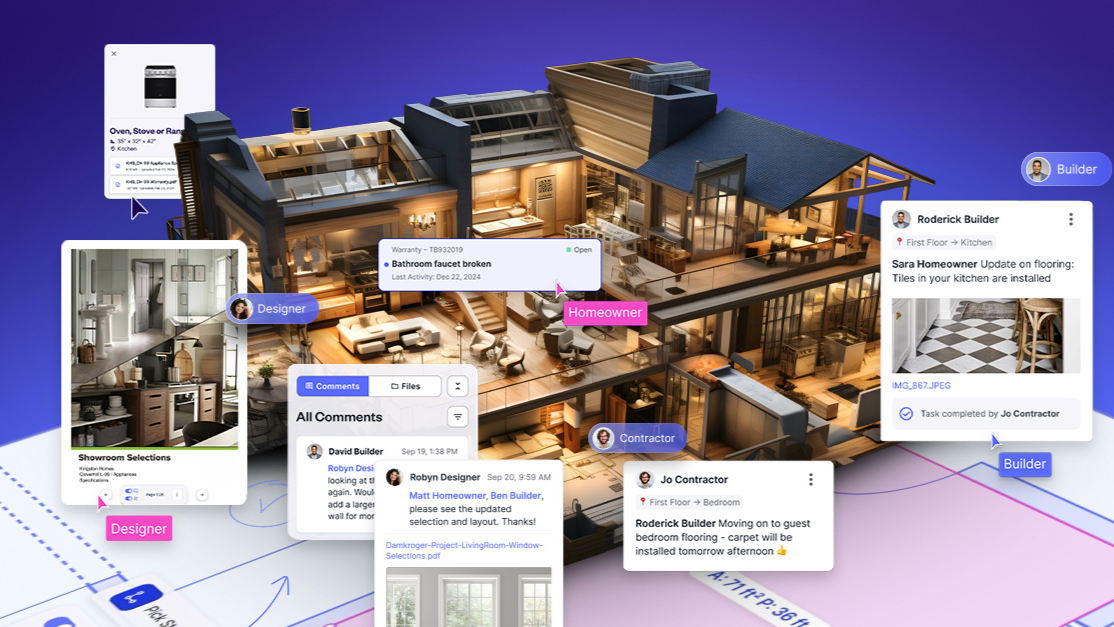
Digs gives builders a centralized workspace for every home.
Instead of searching through email attachments, teams can quickly find drawings, specifications, manuals, warranties, photos, and other project documents in one secure location.
With AI-powered search through AskDigs, project information is easy to find without digging through inboxes or folders.
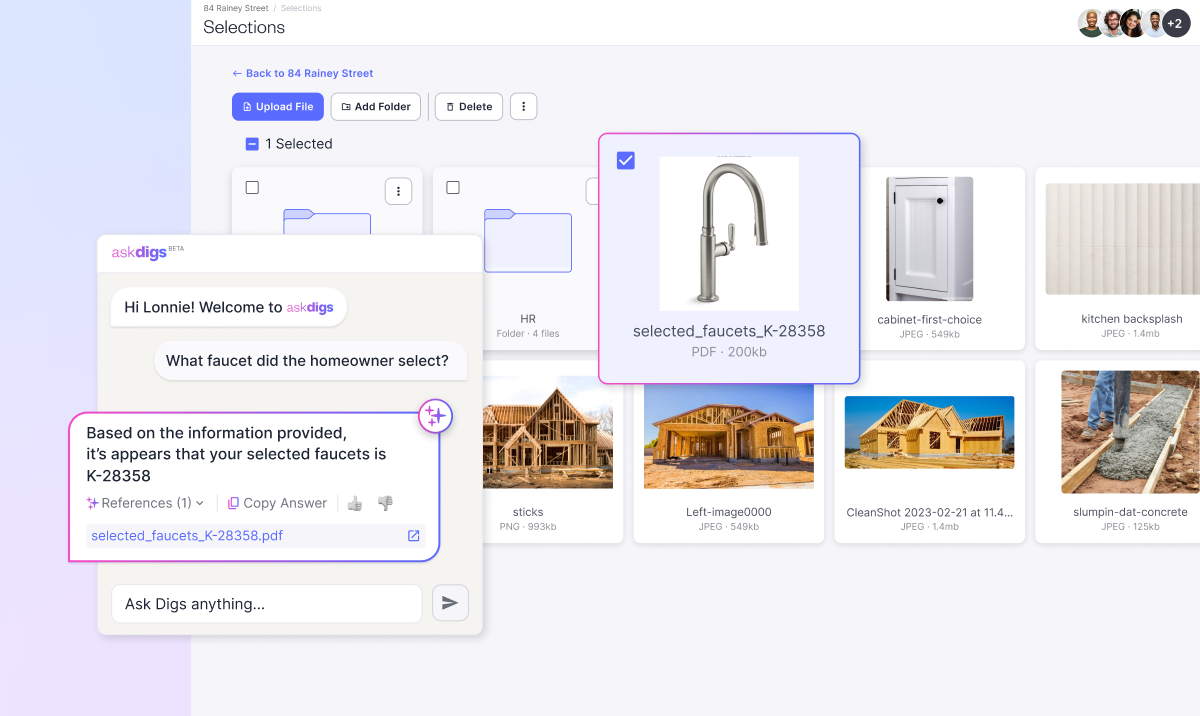
Teams can collaborate directly on project files, keeping discussions connected to the work instead of scattered across email threads.
When construction is complete, homeowners receive a complete digital record of their home instead of a collection of old emails. They can easily access important information for maintenance, warranties, renovations, and future ownership.
The result is a better experience for builders, trade partners, and homeowners alike.
Build Smarter, Not Through Your Inbox
Email is not going away anytime soon.
But relying on it as the foundation of your construction workflow is becoming harder every year.
The most successful builders are moving toward connected project information instead of scattered communication. When teams spend less time searching for information, they have more time to build great homes and deliver a better homeowner experience.