Buying a home is one of the biggest investments most people will ever make.
Yet after move-in, many homeowners quickly realize they have no idea where important information about their home actually lives.
Was the warranty emailed?
Which paint color was used in the living room?
Where's the appliance manual?
Who installed the HVAC system?
Too often, the answers are buried in email inboxes, filing cabinets, cloud drives, or forgotten folders. By the time homeowners need the information, finding it becomes a frustrating scavenger hunt.
The problem isn't just inconvenience. Missing home documents can cost homeowners time, money, and unnecessary stress.

The Documents Every Homeowner Needs
Even a newly built home comes with dozens, sometimes hundreds, of important documents.
These often include:
- Floor plans
- Appliance manuals
- Warranty information
- Paint colors and finishes
- Flooring details
- Cabinet specifications
- Roofing information
- HVAC documentation
- Electrical and plumbing records
- Maintenance schedules
- Product registrations
- Permits and inspections
- Owner's manuals
- Service history
Many homeowners don't realize how valuable these documents become until something breaks.

What Happens When Those Documents Go Missing?
Home Repairs Take Longer
Without knowing exactly what product was installed, homeowners spend extra time researching replacement parts or contacting their builder.
Warranty Claims Become More Difficult
Many warranties require proof of installation dates, product information, or original documentation.
Without those records, homeowners may end up paying for repairs that should have been covered.
Routine Maintenance Gets Overlooked
Many systems require regular maintenance to stay under warranty.
Without maintenance schedules or reminders, homeowners may unknowingly shorten the lifespan of expensive equipment.
Remodeling Becomes More Complicated
Planning a renovation is much easier when homeowners know where plumbing, electrical, and structural components are located.
Without accurate records, contractors often have to spend additional time investigating existing conditions.
Selling the Home Becomes Harder
Organized home documentation can become a valuable selling point.
Providing buyers with warranties, service history, manuals, and maintenance records helps build confidence and simplifies the transfer of ownership.
The Traditional Home Binder Isn't Enough
For years, builders have handed homeowners a binder full of paperwork.
Unfortunately, paper gets lost.
PDFs get buried in email.
Cloud folders become disorganized.
Information becomes outdated.
The longer someone owns a home, the harder it becomes to keep everything together.
A home isn't static.
Its documentation shouldn't be either.
A Digital Handoff Can Deliver More Information
A traditional home binder can only hold so much information, and once it's handed over, it can be difficult to keep updated.
A digital homeowner handoff can go much further.
Digs provides 2,600% more information in a homeowner handoff than a traditional physical binder.
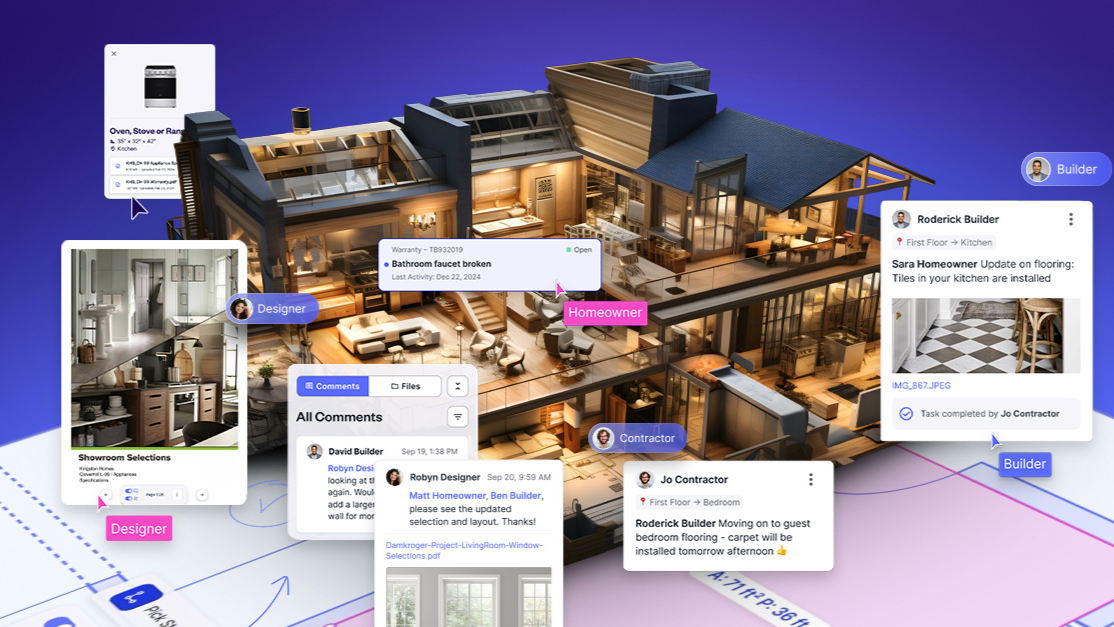
Instead of handing over a collection of documents at closing, builders can give homeowners a connected record of the home, including plans, selections, product information, warranties, and other important details.
And because that information is digital, it can continue to grow as the home changes.
The result is more than a digital filing cabinet. It's a living record that helps homeowners understand, maintain, and care for their home long after move-in.
Why Homeowners Need a Living Digital Home Record
Imagine if every document, warranty, product selection, floor plan, service visit, and maintenance record lived in one searchable place.
Instead of searching through emails, homeowners could simply ask:
- What paint color is in the primary bedroom?
- When does my water heater warranty expire?
- Which air filter do I need?
- What flooring was installed downstairs?
- Who installed my windows?
Instead of managing files, homeowners could instantly access answers.
That is the difference between storing documents and understanding a home.
A Digital Handoff Can Deliver More Information
A traditional home binder can only hold so much information, and once it's handed over, it can be difficult to keep updated.
A digital homeowner handoff can go much further.
Digs provides 2,600% more information in a homeowner handoff than a traditional physical binder.
Instead of handing over a collection of documents at closing, builders can give homeowners a connected record of the home, including plans, selections, product information, warranties, and other important details.
And because that information is digital, it can continue to grow as the home changes.
The result is more than a digital filing cabinet. It's a living record that helps homeowners understand, maintain, and care for their home long after move-in.
Why Homeowners Need a Living Digital Home Record
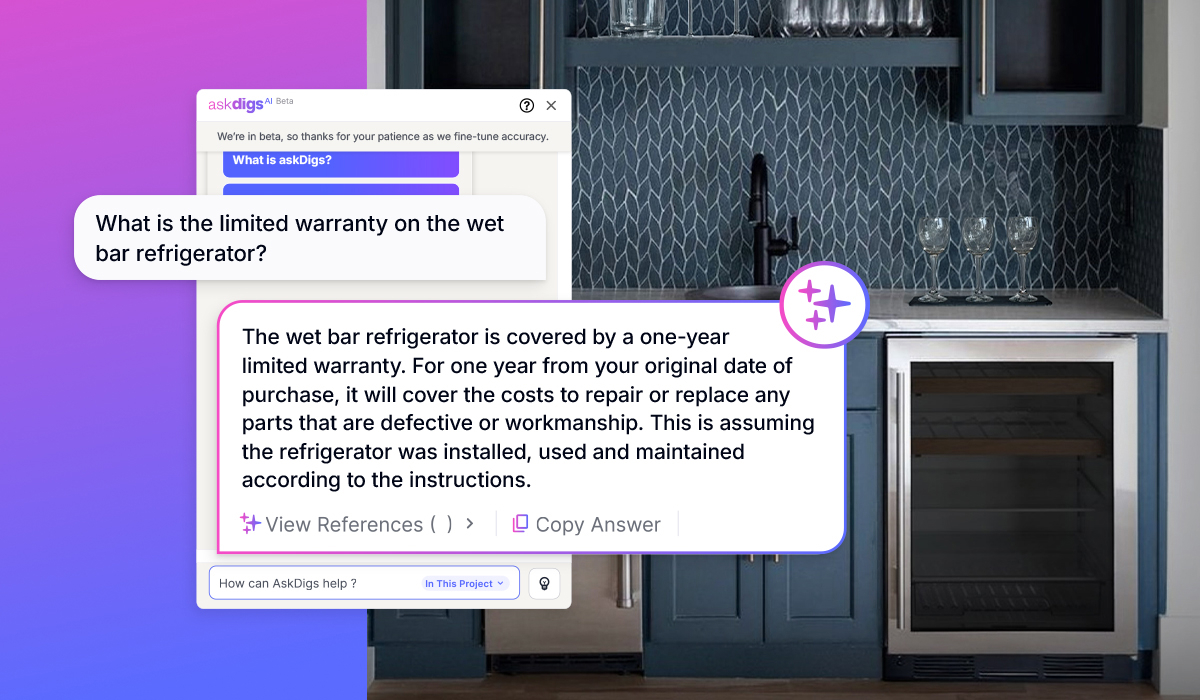
Imagine if every document, warranty, product selection, floor plan, service visit, and maintenance record lived in one searchable place.
Instead of searching through emails, homeowners could simply ask:
- What paint color is in the primary bedroom?
- When does my water heater warranty expire?
- Which air filter do I need?
- What flooring was installed downstairs?
- Who installed my windows?
Instead of managing files, homeowners could instantly access answers.
That is the difference between storing documents and understanding a home.
A Better Homeownership Experience Starts Before Move-In
The homeowner experience doesn't begin at closing.
It begins the moment construction starts.
When builders organize project information from day one, homeowners receive more than a stack of documents.
They receive a complete digital history of their home.
That history continues to grow through warranty requests, maintenance, repairs, renovations, and future ownership.
Instead of losing information over time, homeowners build on it.
Better Information Makes Better Homes
The best homes aren't defined only by quality craftsmanship.
They're supported by quality information.
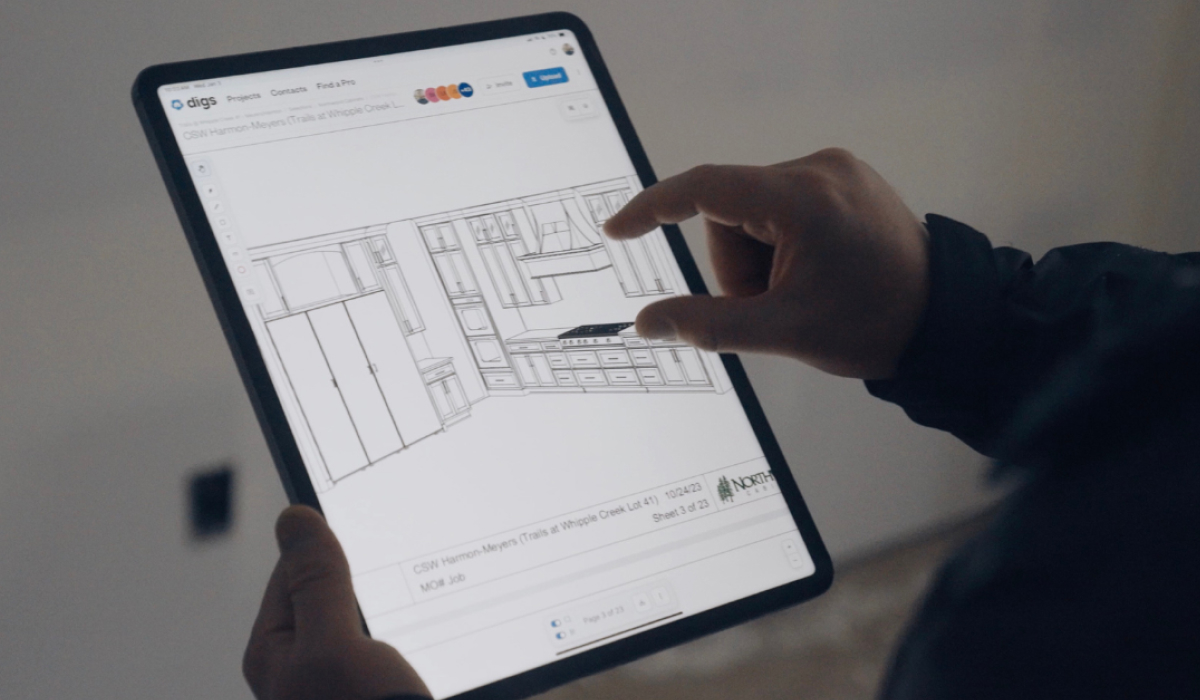
When homeowners have instant access to the documents, history, and details behind their home, they spend less time searching and more time enjoying where they live.
Because homeownership shouldn't come with a scavenger hunt.
It should come with confidence.
Digs is an AI-powered collaboration software built for homebuilders. From pre-con to aftercare, it keeps your team, trades, and clients aligned with one centralized workspace for decisions, documentation, digital handoff, and ongoing warranty support.
Unlock a happier home at Digs.com.