AI, construction technology, software, data, and the homeowner experience were among the biggest conversations at Build Show LIVE. Here's what builders are thinking about and where technology is headed next.
After a few days at Build Show LIVE, one thing was clear: builders are thinking seriously about how technology can improve the way they build, manage projects, and support homeowners.
AI was a major part of the conversation. But it wasn't the only one.
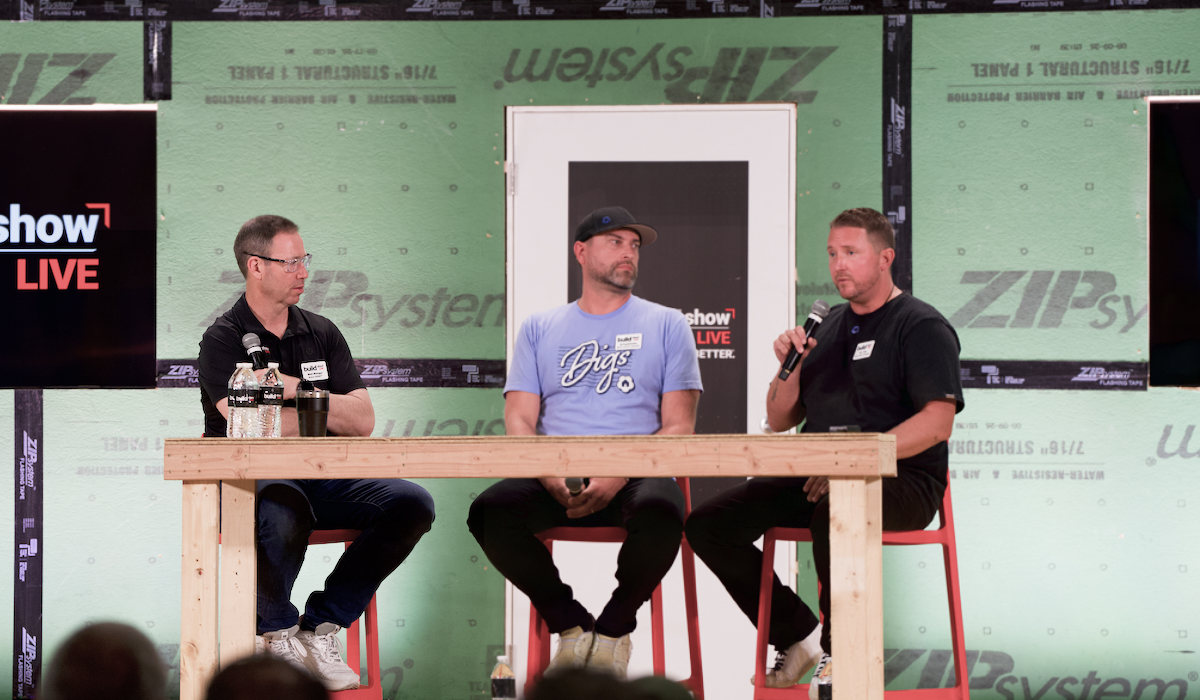
Builders were also talking about the software they use every day, how different tools should work together, how to improve the homeowner experience, and how better documentation can create value long after construction is complete.
Here are five of the biggest construction technology conversations that stood out.
How Is AI Being Used in Construction?
AI is becoming a bigger part of construction, but builders are still figuring out where it provides the most value.
The biggest opportunity isn't simply adding an AI chatbot to existing software. It's using AI to reduce the time spent on repetitive, information-heavy tasks.
For home builders, those tasks can include:
- Material takeoffs and estimating
- Searching project documents
- Diagramming and measurements
- Managing selections
- Organizing project information
- Finding information across plans and files
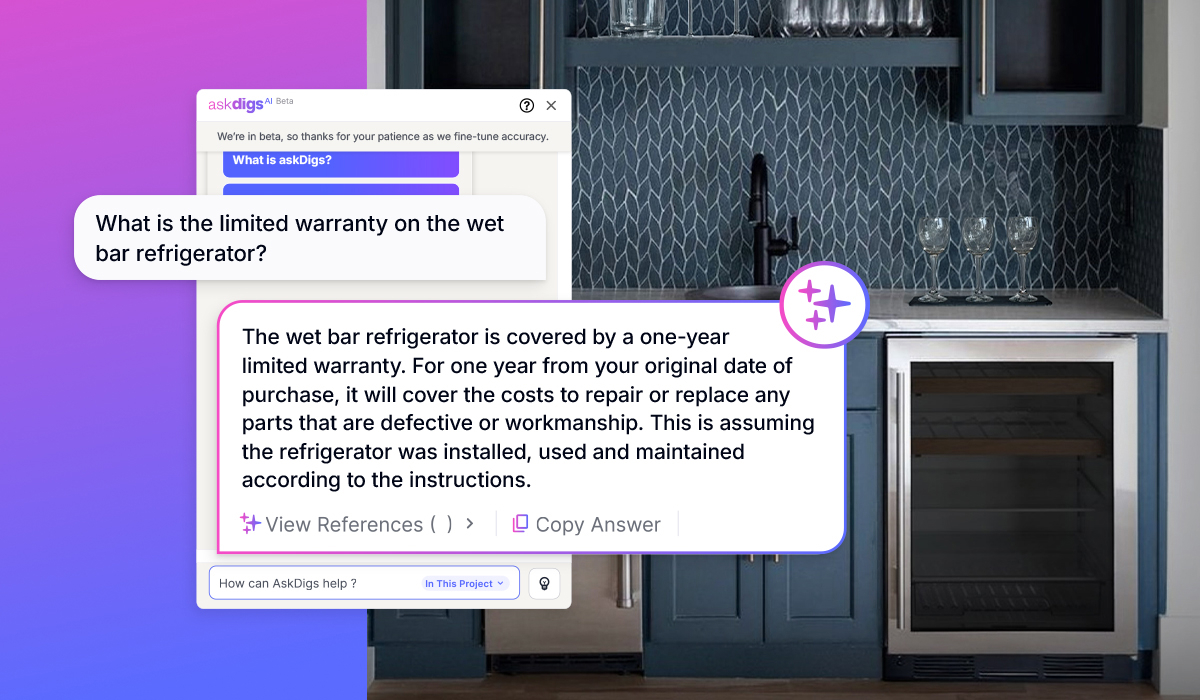
- Answering questions about a project or home
During the AI for Home Builders session at Build Show LIVE, Digs co-founders Ryan Fink and Ty Frackiewicz discussed how AI can support these workflows.
The goal isn't AI for the sake of AI. It's giving builders tools that can handle time-consuming work faster and make information easier to use.
.jpg)
What Should a Construction Technology Stack Look Like?
Another major conversation around AI was the construction technology stack itself.
Many builders use software platforms with hundreds of features. But teams often rely on only a small portion of those capabilities every day.
That raises a practical question: Does adding more software actually make a construction business easier to run?
As builders evaluate AI and new technology, the conversation is shifting from finding one platform that does everything to figuring out how different tools should work together.
That makes one thing especially important: data.
Why Does Data Matter in Home Building?
A tremendous amount of information is created during the construction of a home.
Plans. Selections. Takeoffs. Change orders. Product information. Photos. Conversations. Warranty records.
But that information can become fragmented across software platforms, cloud folders, email inboxes, and individual employees.
When information stays connected, it becomes much more useful.
That's why a single source of truth matters in construction. Instead of creating another place to store information, builders can create a connected record that makes existing project information easier to find, understand, and use.
And that information has value beyond the construction process.
How Can Technology Improve the Homeowner Experience?
The homeowner experience doesn't end at closing.
A homeowner may need information about their home months or years after construction is complete.
What refrigerator was installed?
Who manufactured the windows?
What paint color was used?
Where is a particular component located?
What information does a service provider need to make a repair?
When that information is easy to access, the experience is different for both the homeowner and the builder.
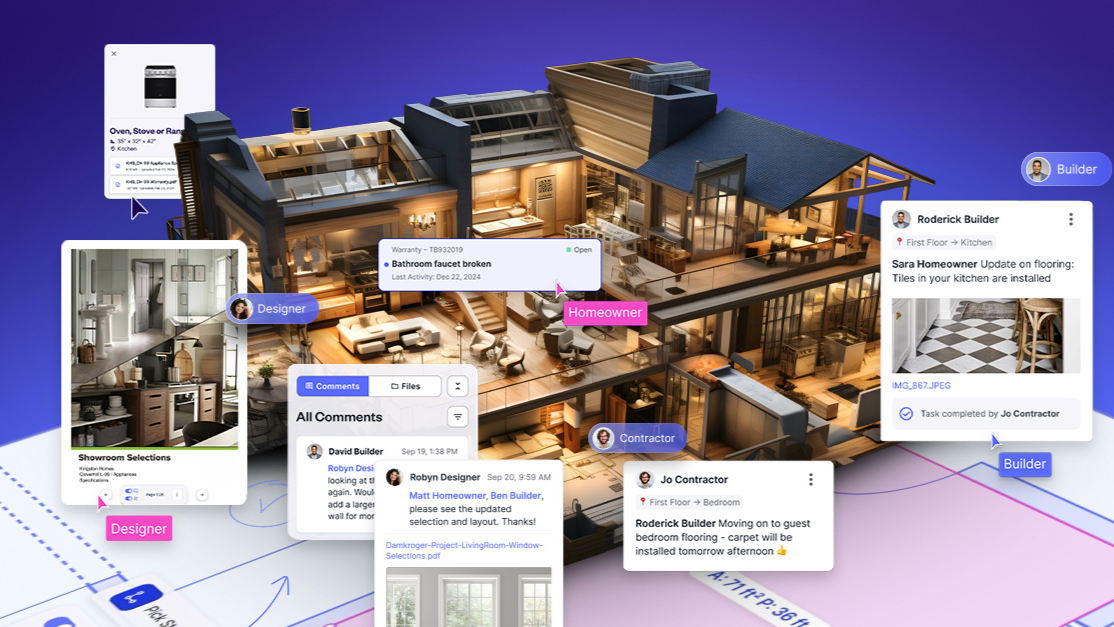
During his Build Show LIVE session on warranty, aftercare, and client experience, Digs Chief Revenue Officer Stephen Molen discussed the opportunity for builders to think beyond the initial homeowner handoff.
A better digital record can help builders support homeowners long after the keys are handed over.
What Is a "Homefax"?
One of the ideas discussed during a live recording of the Build Show Podcast was a "Carfax for the home," or "Homefax."
Carfax gives vehicle owners and buyers a record of a vehicle's history. Homes don't have a widely used equivalent.
A Homefax could provide a connected record of a home's history, including:
- How the home was built
- Products and materials used
- Homeowner selections
- Plans and specifications
- Details behind the walls
- Equipment information
- Warranty and service history
- Repairs and maintenance
That information could benefit the first homeowner and future owners of the home.
It also connects to another important conversation from Build Show LIVE: Build HD Standard.
Why Does Home Documentation Matter?
Building a durable, high-performing home is only part of the equation.
The information about how that home was built can be just as valuable over time.
Was a window installed correctly?
What products were used?
What was the blower door score?
What are the make, model, and serial numbers of the home's equipment?
Those details can be difficult to find years after construction is complete.
Documenting them creates a record that can stay with the home.
The best builders aren't just delivering a home. They're delivering a home that can be understood.
Where Does AI Fit Into the Future of Home Building?
AI won't replace the skilled people who build homes.
Instead, its biggest opportunity may be in the work surrounding construction: finding information, organizing documentation, completing takeoffs, connecting project data, and answering questions.
For builders, that means less time spent searching through files and completing repetitive tasks.
It also creates an opportunity to make the information generated during construction more useful long after the project is complete.
What Do These Construction Technology Trends Mean for Builders?
The conversations at Build Show LIVE point to a broader shift in home building technology.
Builders are evaluating how AI can improve their workflows, how their software systems should work together, how project data can stay connected, and how technology can improve the homeowner experience.
But underneath all of those conversations, the goal remains the same:
Build a great home.
Take care of the people who live in it.
And make sure the information behind that home doesn't disappear when construction ends.
The next generation of construction technology isn't just about building faster.
It's about making the entire lifecycle of the home easier to understand, manage, and support.
Watch the Build Show Podcast Conversation
Ryan Fink and Ty Frackiewicz joined Matt Risinger for a live recording of the Build Show Podcast at Build Show LIVE.
They discussed AI, digital twins, Build HD, data ownership, homeowner privacy, and where construction technology is headed.
Watch the conversation → https://youtu.be/YBJEQLmCZh4?si=7u_qiijxumcpNvMa
Digs is an AI-powered collaboration software built for homebuilders. From pre-con to aftercare, it keeps your team, trades, and clients aligned with one centralized workspace for decisions, documentation, digital handoff, and ongoing warranty support.
Unlock a happier home at Digs.com