Why the Final Step of the Homebuilding Process Needs an Upgrade
For many builders, the home handoff is the finish line. Months of planning, construction, inspections, and walkthroughs all lead to one exciting moment: giving the homeowner the keys.
But while homes have become smarter, the handoff process often has not.
Many builders still send homeowners home with a binder full of manuals, warranty papers, appliance information, paint colors, and maintenance instructions. Others provide a USB drive, a folder of PDFs, or documents sent across multiple emails after closing.

The problem is simple: homeowners rarely need this information until months or years later, when they may no longer know where to find it.
A digital home handoff takes a different approach. Instead of simply transferring a collection of documents at closing, builders can create an organized digital record of the home, connecting the information collected throughout construction to the homeowner experience after move-in.
With Digs, that information does not have to start at the handoff. Project documents, plans, selections, product information, and other construction details can stay connected throughout the lifecycle of the home and become part of a digital record homeowners can reference when they need it.
Let's compare the two approaches.
Traditional Home Handoff
The traditional handoff usually includes:
- A printed homeowner binder
- Warranty information
- Appliance manuals
- Paint and finish schedules
- Product brochures
- Keys and garage remotes
- Final walkthrough notes
While this has been the standard for years, it comes with several challenges.
Documents Get Lost
Most homeowners only open the binder when something breaks or needs attention. By then, it may be sitting in a closet, packed away after moving, or missing altogether.
When homeowners cannot find the information they need, they often turn back to the builder or service team for answers.
Information Can Become Disconnected
During construction, selections change. Appliances may be substituted. Change orders happen. Information is often updated across drawings, emails, spreadsheets, PDFs, and project management systems.
By the time the home is complete, gathering the final and accurate information for a homeowner handoff can become a project of its own.
A digital system can help builders keep that information organized as the project progresses rather than scrambling to collect it all at closing.
Service Teams Spend Time Searching for Answers
Questions like these become common:
- What paint color is in the guest bedroom?
- Which flooring was installed upstairs?
- What model is the water heater?
- Where is the warranty information for this appliance?
Finding the answer may require someone to search through project folders, emails, PDFs, or contact the original project team.
The challenge is often not whether the information exists. It is knowing where to find it.
Digital Home Handoff
A digital handoff gives homeowners a dedicated place to access information about their home.
Instead of receiving scattered documents, they receive a digital home record built around the information that already exists throughout the project.
Depending on the builder's workflow, that record can include:
- Floor plans
- Product selections
- Appliance manuals
- Warranty information
- Photos
- Finish schedules
- Change orders
- Maintenance recommendations
- Builder and service contact information
With Digs, builders can organize these files and project details in one connected environment before extending the relevant information to homeowners through DigsCare.
The result is less about replacing a binder with another folder of PDFs and more about making the information behind the home easier to understand and access.
Side-by-Side Comparison
.png)
Better for Homeowners
Buying a home is one of the biggest investments most people will ever make.
Yet after closing, many homeowners do not have an easy way to understand the details behind the house they now own.
A digital home record can make ownership easier by helping homeowners access information such as:
- Warranty documents
- Appliance information
- Paint colors
- Flooring specifications
- Product manuals
- Maintenance instructions
- Important builder information
Digs helps make this information more useful by connecting documents to the context of the home itself.
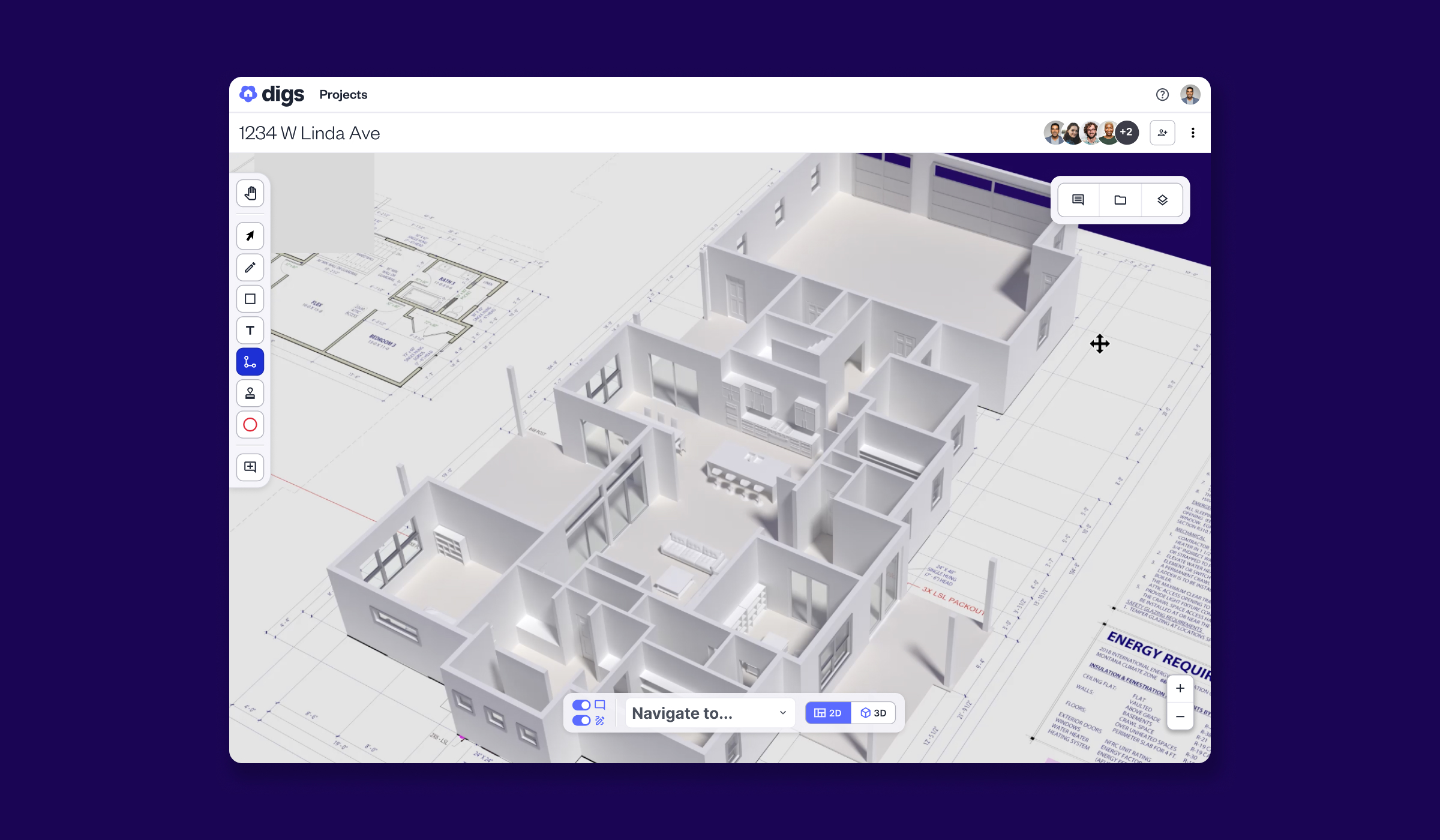
For example, DigsCanvas can turn traditional floor plans into an interactive visual representation of the home, helping users better understand the spaces and information associated with them. Instead of relying only on a list of files, builders and homeowners can reference the home visually.
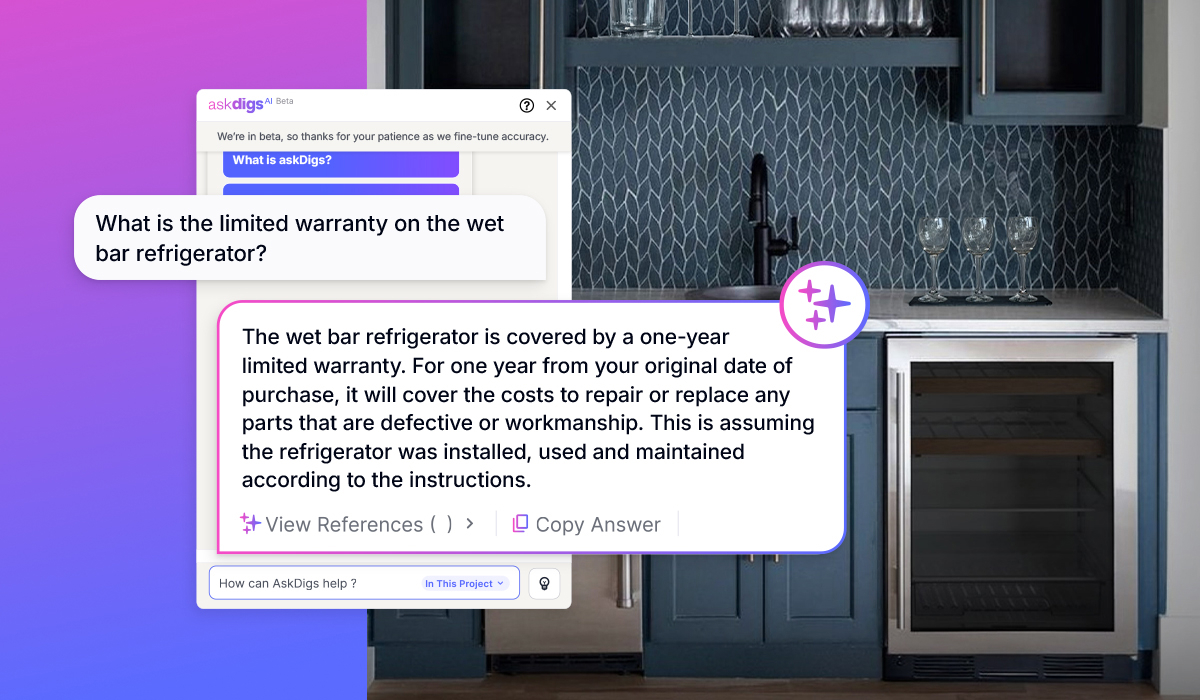
And when someone needs an answer, AskDigs can help surface information from project documents without requiring them to manually search through folders and PDFs.
That means a homeowner looking for information about a product, finish, or document has a clearer path to finding it.
Better for Builders
The benefits of a digital handoff extend beyond the homeowner experience.
For builders, the handoff can become an extension of the information and workflows already used during the build.
Keep Project Information Connected
Construction information often lives across multiple systems and formats. Digs helps bring plans, documents, files, and project information together into a connected digital record.
Instead of gathering everything from scratch at the end of the project, builders can build on the information already collected throughout the homebuilding process.
Make Information Easier to Find
One of the biggest challenges after closing is locating the right information quickly.
AskDigs allows users to ask questions and search across project documents using AI, helping surface relevant answers without manually opening and reviewing every file.
For service and warranty teams, that can make it easier to start with the information already associated with the home.
Support the Homeowner After Closing
The relationship between a builder and homeowner does not necessarily end when the keys are delivered.
DigsCare gives builders a way to extend the digital home record into the homeowner experience, creating a dedicated place for home information, documents, and ongoing support.
This can give homeowners a more organized starting point when they have questions while helping builders maintain continuity after the project is complete.
Create a More Modern Ownership Experience
Homebuyers increasingly expect digital access to important information in other areas of their lives. Their home should not be different.
A digital handoff gives builders an opportunity to provide something more useful than a binder that may eventually end up in a closet.
The goal is not simply to digitize paperwork. It is to make the information behind the home easier to understand, access, and use.
From Construction Documents to a Living Home Record
A digital home handoff is most effective when it is not treated as a final administrative task.
The information needed by homeowners already exists throughout the building process. Plans evolve, products are selected, documents are uploaded, and decisions are made long before closing day.
Digs is designed to help connect that information across the lifecycle of the home.
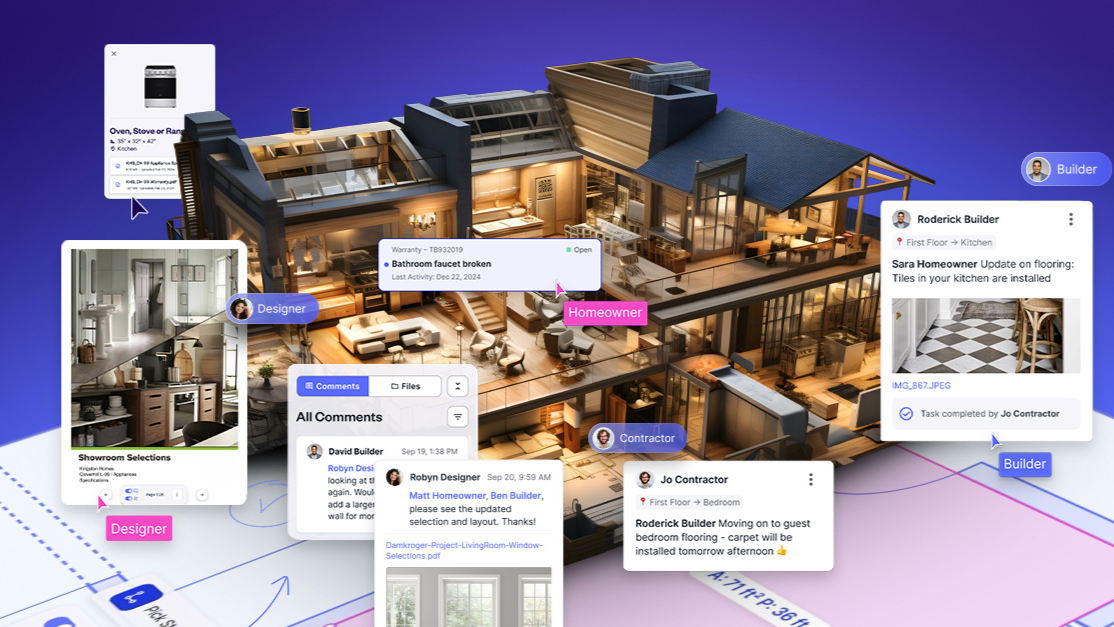
With DigsCloud, builders can organize and manage project documents in one place. With DigsCanvas, plans can become an interactive visual representation of the home. AskDigs makes it easier to find information across project documents, while DigsCare helps extend that information into the homeowner and aftercare experience.
Together, these tools help turn scattered construction information into a connected digital record of the home.
The Future of Home Handoffs Is More Connected
Construction has already moved toward digital plans, cloud collaboration, and AI-powered tools.
The homeowner experience has an opportunity to catch up.
Instead of sending buyers home with a collection of paperwork they may struggle to find later, builders can give them a more connected understanding of the home itself.
That can mean less time spent searching for information, a more organized experience for homeowners, and a stronger foundation for service and warranty support.
Make Every Home Easier to Understand
At Digs, we believe every home should be understood.
Digs helps builders connect the information created throughout the building process and turn it into a digital home record that can continue to provide value long after construction is complete.
From project documents and floor plans to AI-powered search and homeowner aftercare, the goal is simple: make it easier for builders and homeowners to find, understand, and use the information behind every home.
Digs is an AI-powered collaboration software built for homebuilders. From pre-con to aftercare, it keeps your team, trades, and clients aligned with one centralized workspace for decisions, documentation, digital handoff, and ongoing warranty support.
Unlock a happier home at Digs.com