A homeowner calls about a broken appliance.
The warranty team needs the make, model, and serial number. Maybe the installation date. Maybe the location of the unit. Maybe a photo.
The homeowner does not have any of that information.
So the builder starts searching.
Someone checks the project file. Someone else looks through an email. A warranty coordinator searches for the original appliance documentation. The homeowner gets another call asking for a photo.
What should have been a simple warranty request turns into a back-and-forth that can take days.
The frustrating part is that the information probably existed all along.
It just was not easy to find.

Warranty problems often start long before the warranty call
By the time a homeowner submits a warranty request, the problem is already happening.
But the information needed to solve it may have been created months or even years earlier.
During construction, teams collect an enormous amount of information about a home:
- Plans and floorplans
- Product selections
- Appliance specifications
- Make, model, and serial numbers
- Installation information
- Change orders
- Approvals
- Photos
- Subcontractor information
- Project conversations
- Inspection records
- Warranty documentation

All of that information can be useful after the homeowner moves in.
The challenge is keeping it connected to the home.
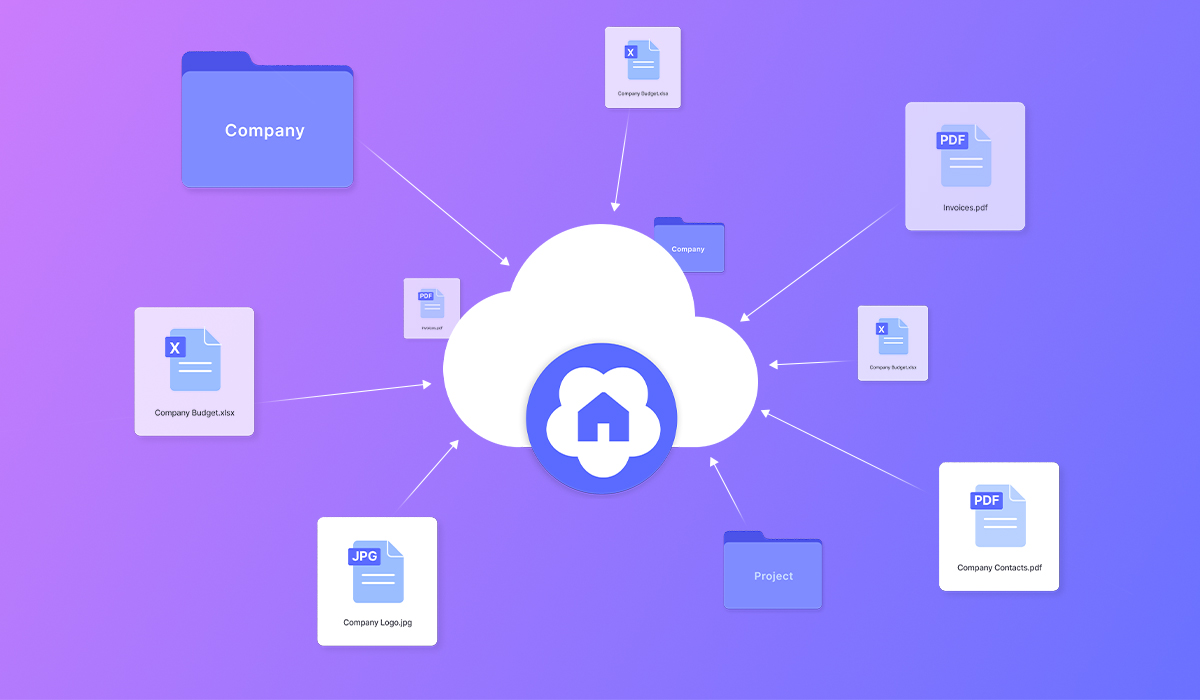
When information is scattered across folders, spreadsheets, PDFs, emails, and different software systems, finding one specific detail can become a project of its own.
That is where warranty teams lose time.
The real cost of "Can you send me a picture?"
A request for a photo seems simple.
But consider what can happen behind the scenes.
A homeowner notices an issue with an appliance and submits a warranty request. The warranty coordinator needs to identify the exact unit before determining the next step.
The homeowner gets asked for a photo.
The homeowner may need to find the appliance, locate the label, take a picture, and upload it.
If the label is difficult to access, the process takes even longer.
Then the warranty team may still need to search for the original documentation.
One small missing piece of information creates multiple extra steps for everyone involved.
And this does not just happen with appliances.
The same problem can come up with flooring, cabinets, countertops, windows, HVAC equipment, plumbing fixtures, paint, and other products throughout the home.
The information exists. The challenge is getting it to the person who needs it when they need it.
A better warranty experience starts during the build
The best time to organize information for a warranty request is not when the homeowner calls.
It is while the home is being built.
When project information is captured and connected to the home from the beginning, the warranty team can have a much clearer record to work from.
Instead of asking, "What appliance is this?" the team can look up the home and find the relevant information.
Instead of asking a homeowner to explain where something is located, the team can have documentation tied to the home and its floorplan.
Instead of searching through old emails for a product specification, the information can already be part of the home's digital record.
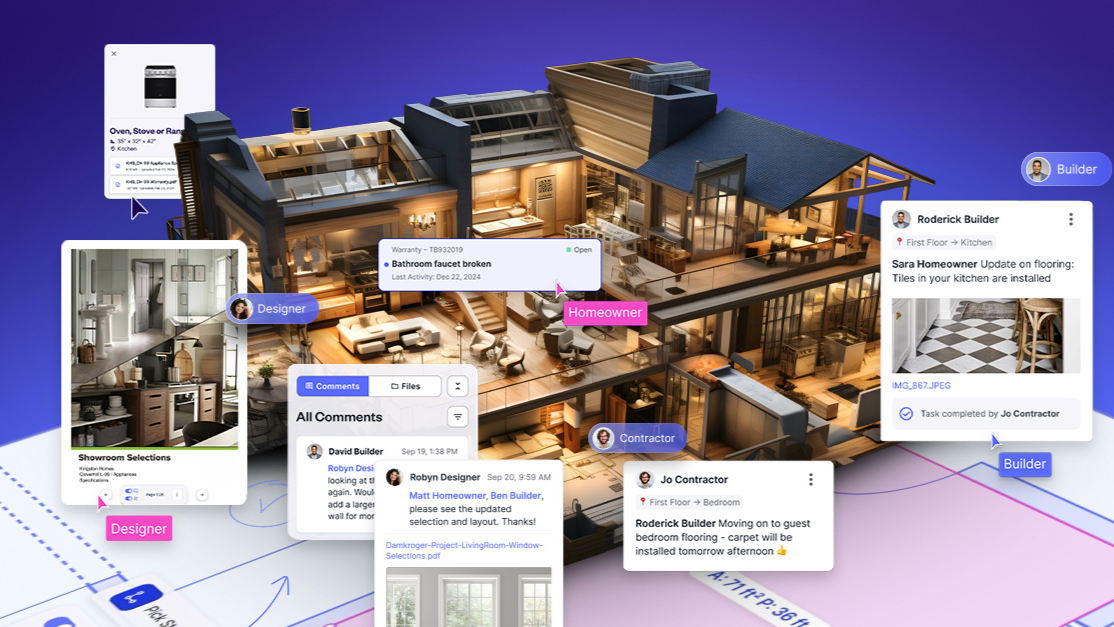
This is one of the biggest advantages of treating the home as more than a finished structure.
The home also has a history.
The home should come with a record
Think about buying a used car.
You can look at the vehicle, but you can also look at its history. Service records, repairs, mileage, and other information help you understand what happened before you owned it.
A home deserves the same kind of record.
Plans, selections, specifications, approvals, project history, and warranty information can tell the story of how that home was built and maintained.
That information becomes especially valuable after the keys are handed over.
A digital home record gives builders a way to carry important project information from pre-construction through construction and into warranty and aftercare.
For homeowners, that can mean less guesswork.
For warranty teams, it can mean less searching.
For builders, it can mean faster resolution and a better homeowner experience.
This is where technology can make a difference
Technology does not eliminate warranty issues.
Homes will still have appliances that fail, paint that needs attention, and systems that need service.
The opportunity is to eliminate some of the unnecessary work around those issues.
With Digs, project information can stay connected to the home throughout its lifecycle. When a homeowner submits a warranty request through DigsCare, the request can be tied to the home and its floorplan, with photos, location, and relevant documentation available in the same place.
%20(1).png)
That gives warranty teams more context before they even respond.
AI can add another layer of support.
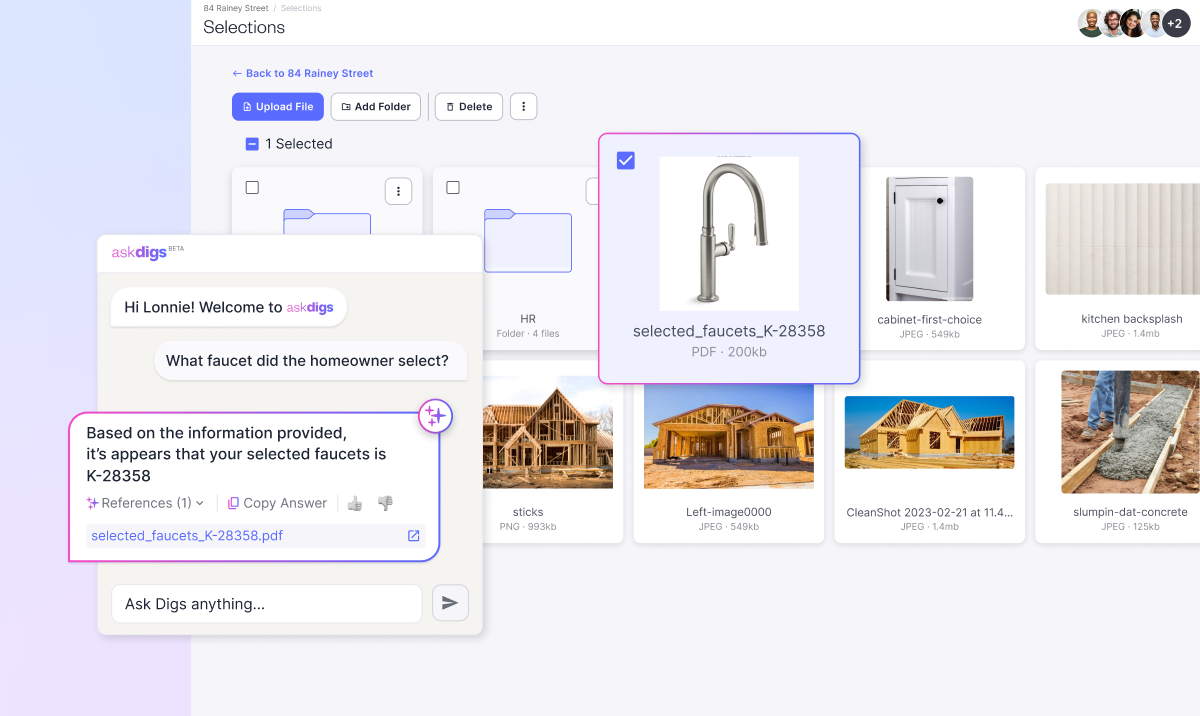
Instead of manually searching through hundreds of project documents, AskDigs can help find and surface information from plans, files, and project history. That can help teams get from "We need to figure out what this is" to "Here's the information we need" much faster.
The goal is not to replace the people handling warranty.
It is to give them better information to work with.
The best warranty call is the one you are prepared for
No builder can prevent every warranty request.
But builders can make those requests easier to resolve.
That starts with a simple question:
If a homeowner called about this six months from now, would our team have everything they need to help?
If the answer is no, the problem may not be the warranty process itself.
It may be the information behind it.
The best builders are not just delivering homes. They are delivering a home that can be understood.
When the right information follows the home from build to aftercare, a warranty call does not have to become a scavenger hunt.
The homeowner gets answers faster.
The warranty team spends less time searching.
And the builder gets one more opportunity to deliver the experience their brand promises.
Sometimes the best warranty call is the one you were ready for six months ago.
Digs is an AI-powered collaboration software built for homebuilders. From pre-con to aftercare, it keeps your team, trades, and clients aligned with one centralized workspace for decisions, documentation, digital handoff, and ongoing warranty support.
Unlock a happier home at Digs.com