Residential construction has always relied on coordination, but too often that coordination happens across scattered emails, texts, and spreadsheets. The result is familiar: missed details, delays, and margin pressure.
That is starting to change. Collaboration platforms are bringing everything into one place, giving builders and their teams a shared source of truth. Some are also introducing more visual ways to understand a home before it is built, helping teams and clients stay aligned earlier in the process.
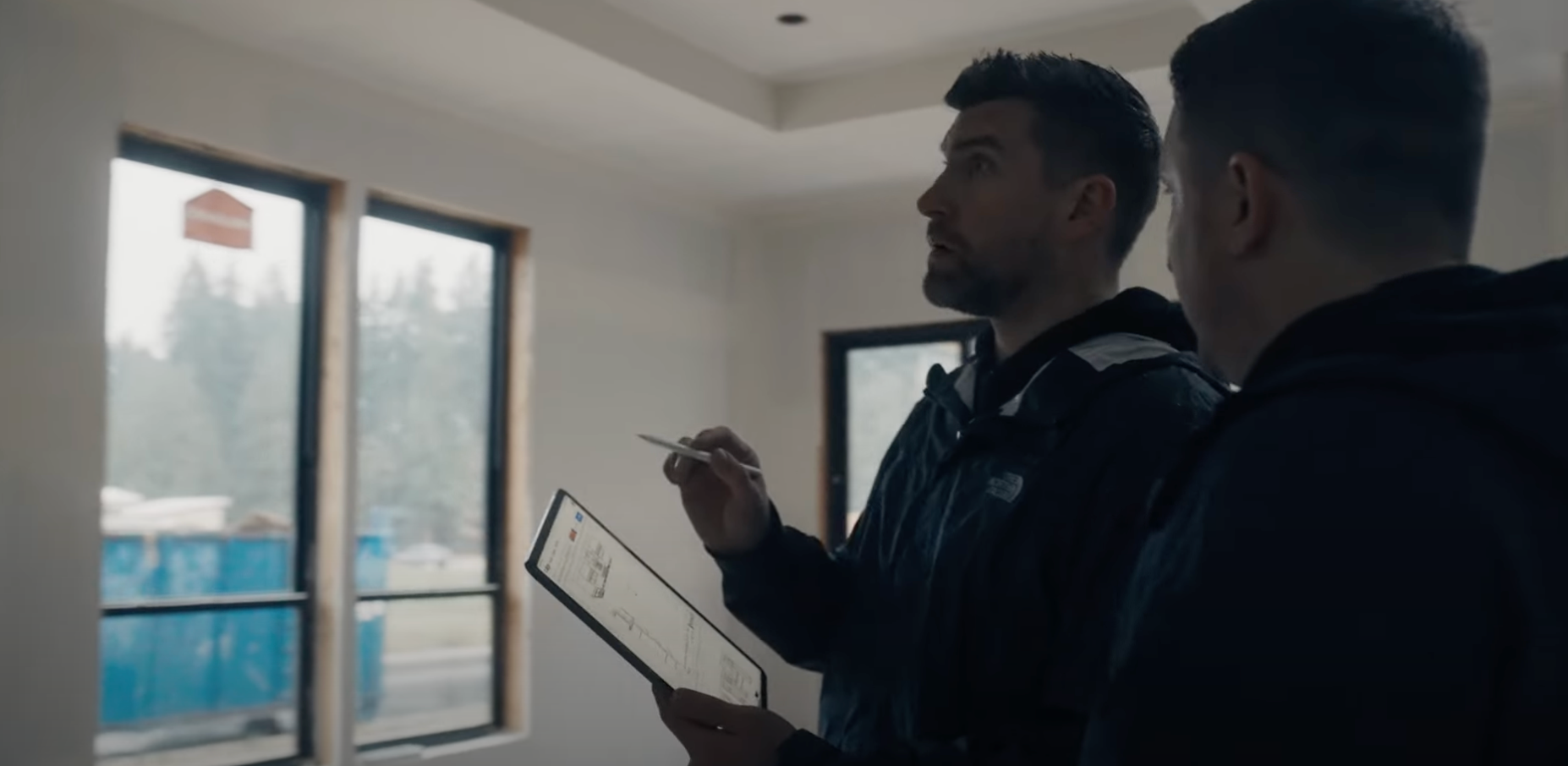
From Back and Forth to Shared Context
Instead of chasing updates, teams can access plans, selections, and decisions in a single environment. Conversations are tied to specific details, which reduces confusion and cuts down on repeated communication.
It is a simple shift, but it removes a lot of friction from day to day work. Platforms like Digs are leaning into this by connecting information directly to the home itself, not just files and folders.
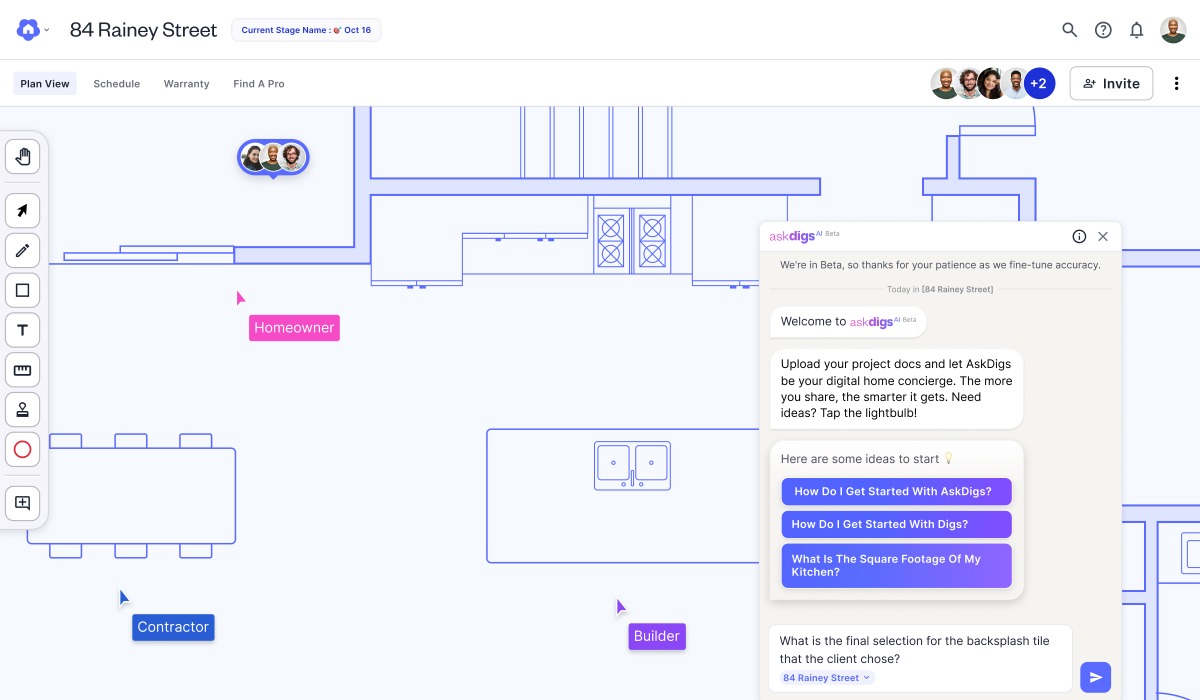
Why Builders Are Paying Attention Now
Several factors are accelerating adoption in residential construction.
Increasing Complexity
Homes today involve more customization, more products, and more decision points than ever before. Keeping everything aligned requires more than memory and manual tracking.
Faster Timelines
Projects are expected to move quickly, often with overlapping phases. Delays caused by miscommunication or missing information directly impact schedules and margins.
Distributed Teams
It is now standard for teams to be spread across job sites, offices, and remote locations. Collaboration tools help keep everyone aligned without slowing progress.
Higher Client Expectations
Homeowners want visibility. They expect to understand what is happening, what decisions are needed, and how their home is coming together. A fragmented experience creates more questions, more change orders, and more time spent managing communication.
What It Looks Like on a Build
Modern collaboration platforms help builders:
- Keep documents and selections organized
- Track decisions clearly
- Align field and office teams
- Give clients structured visibility without constant updates
More visual context is also becoming part of the workflow. Instead of relying only on two dimensional plans, some platforms such as Digs are helping teams and homeowners better understand how spaces come together, which reduces misalignment before it turns into a problem.
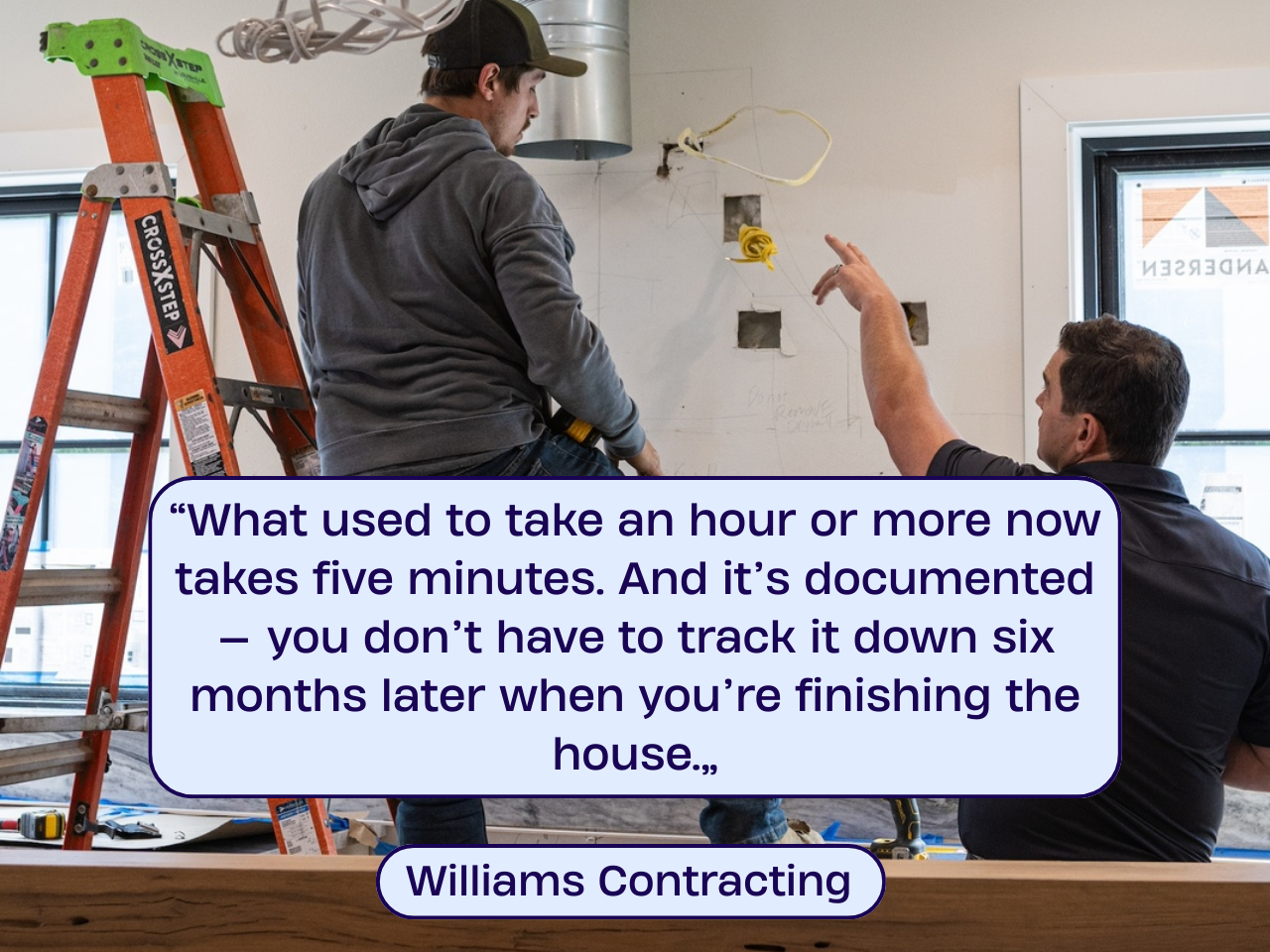
Where AI Fits
AI is quietly improving these platforms by organizing information, surfacing what matters, and reducing time spent searching for answers. It supports faster decisions without changing how teams work.
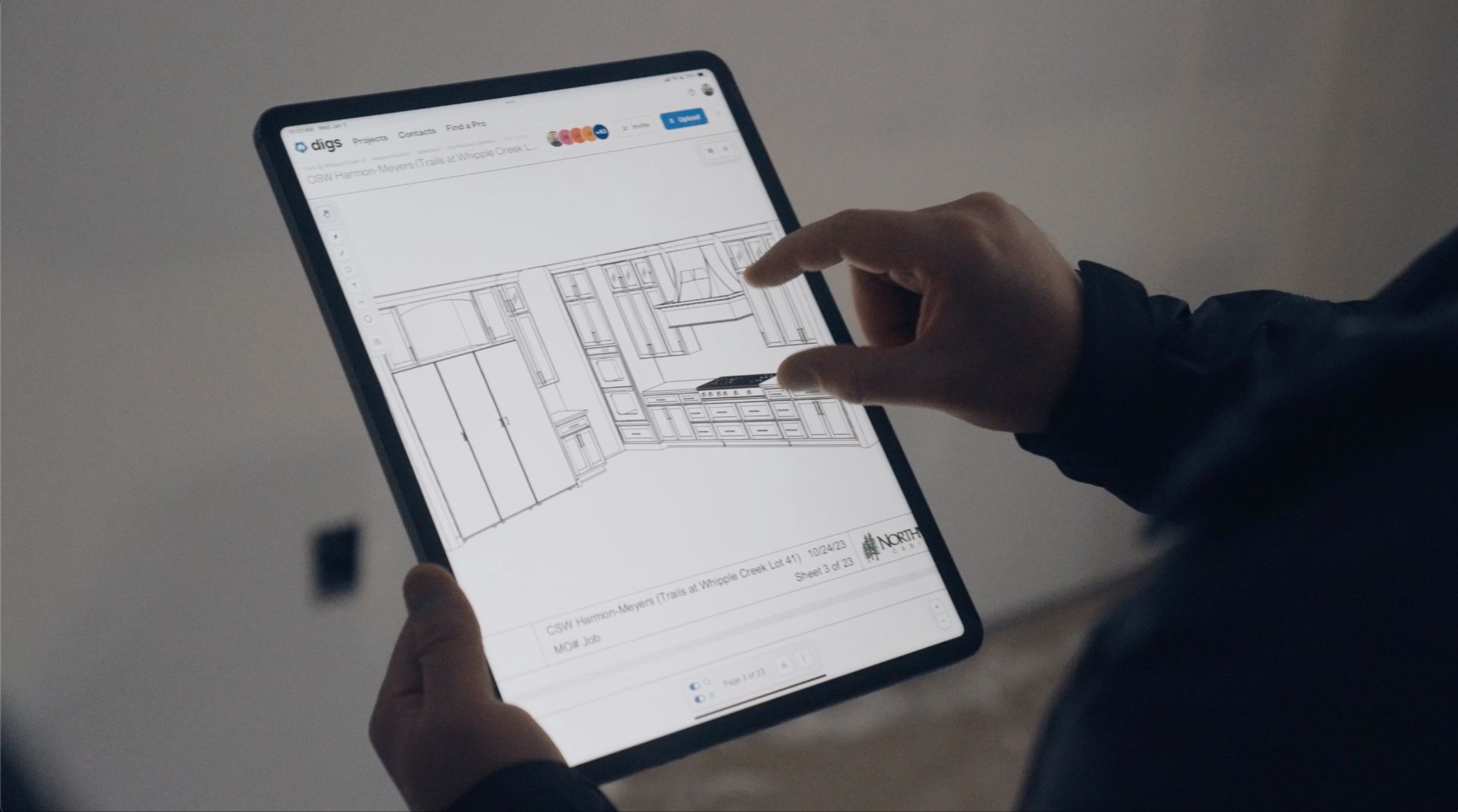
Impact on Margins and Efficiency
For builders, the value shows up in execution.
- Less time spent tracking down information
- Fewer mistakes caused by outdated or missing details
- Faster decision making across teams and clients
- Better coordination between field and office
These improvements add up. Projects stay on schedule more consistently, and margins are better protected because fewer issues turn into costly rework.
Improving the Client Experience Without Adding Overhead
One of the biggest challenges in residential construction is keeping clients informed without creating more work for the team.
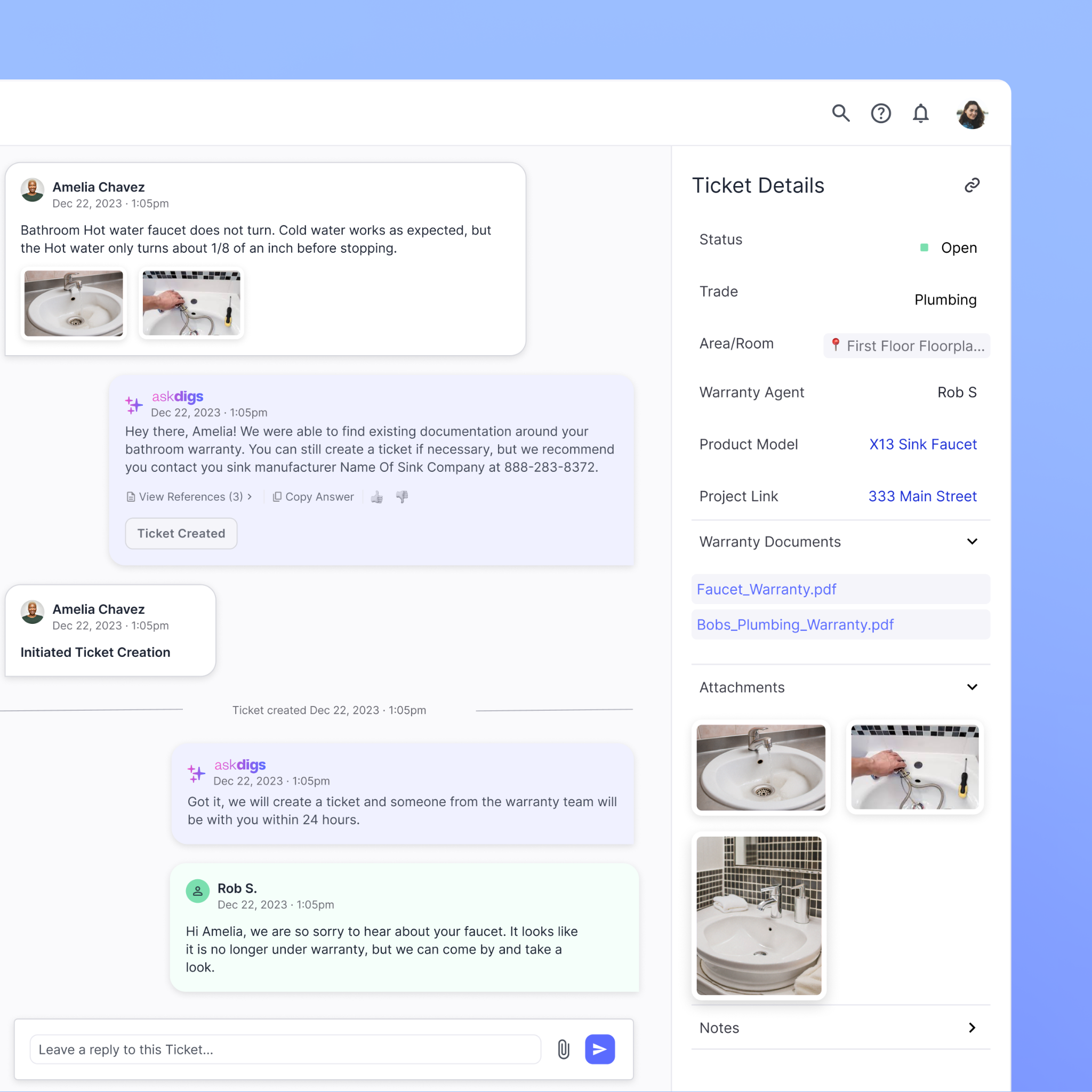
Collaboration platforms make this more manageable by giving homeowners structured visibility into the project. Instead of constant check ins, clients can see progress, review selections, and understand what is coming next.
This reduces confusion and helps avoid late changes that disrupt the build. It also builds trust, which matters just as much as the finished product.
What Comes Next
Collaboration platforms are becoming a core part of how residential projects run. The focus is not on adding more tools, but on making work more organized, more visible, and easier to manage.
Builders who adopt them are setting themselves up to run tighter projects and deliver a better client experience without adding overhead.
Digs is an AI-powered collaboration software built for homebuilders. From pre-con to aftercare, it keeps your team, trades, and clients aligned with one centralized workspace for decisions, documentation, digital handoff, and ongoing warranty support.