Every home has a story.
It's told through the floor plans that evolved over time, the product selections that shaped each room, the conversations between builders and trades, the change orders that refined the design, and the countless decisions made throughout construction.
Yet for many builders, that story is difficult to reconstruct once the project is complete.
Important information often lives in disconnected systems. Plans are stored in one platform, product specifications in another, conversations happen over email or text, approvals are buried in inboxes, and warranty documents end up in folders that are rarely opened again.
By the time the homeowner receives the keys, much of the home's history has been fragmented.
Creating a complete record of the home changes that.
Instead of treating documentation as a final project deliverable, leading builders are capturing every important decision throughout the construction process to create a living history that benefits builders, trades, and homeowners alike.
.jpg)
Why Home Builder Documentation Matters More Than Ever
Residential construction generates an enormous amount of information from the moment a project begins.
Every home produces documentation such as:
- Architectural plans and revisions
- Product selections and finish schedules
- Trade communication
- RFIs and approvals
- Change orders
- Installation photos
- Maintenance instructions
- Equipment manuals
- Warranty documentation
- Inspection records
Individually, each document serves a purpose. Together, they tell the complete story of how the home was built.
The challenge is that this information rarely stays connected.
As projects grow more complex, builders often rely on multiple software platforms, email threads, shared drives, text messages, and paper files. Finding the answer to a simple question can require searching through several different systems.
Questions like:
- Which flooring option was ultimately approved?
- Was this window specification changed?
- When was this HVAC unit installed?
- Where is the warranty information for this appliance?
- Who approved this design change?
When answers aren't easy to find, valuable time is lost. Teams spend less time building and more time searching.
The Record of the Home Starts Before Construction Begins
A complete construction project history isn't something that can be assembled during the final week before closing.
It starts with the very first conversation.
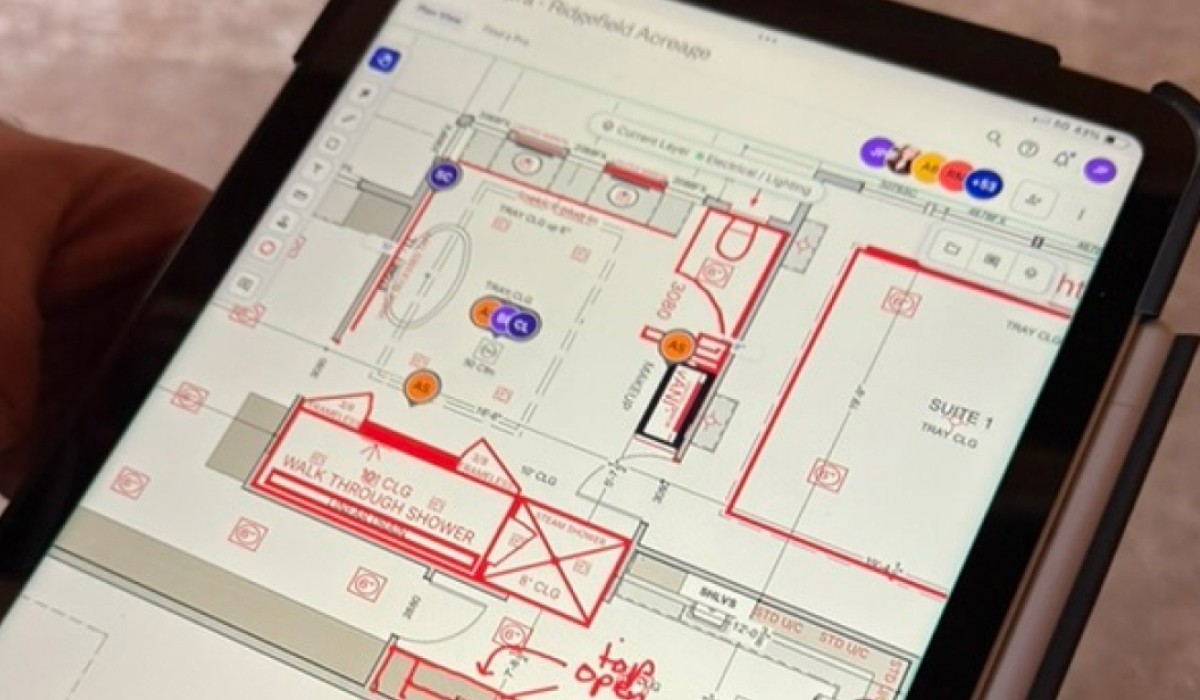
Every decision made during preconstruction becomes part of the home's permanent record. Capturing those decisions as they happen creates a reliable source of truth that follows the project from planning through homeowner handoff.
Instead of documenting the project after the fact, builders create a connected timeline that includes every milestone along the way.
That record becomes increasingly valuable as construction progresses.
When everyone works from the same information, communication improves, mistakes are easier to avoid, and decisions are easier to verify months later.
One Source of Truth for the Entire Team
Construction is a team effort.
Builders, designers, project managers, trades, suppliers, and homeowners all contribute to the finished product. Each participant creates information that helps explain why decisions were made.
Keeping that information connected benefits everyone involved.
Builders have a complete project history that makes it easy to reference approvals, specifications, and previous conversations without relying on memory.
Trades always have access to the latest plans and documentation, reducing confusion and helping prevent costly rework caused by outdated information.
Design teams can verify selections and revisions without searching through email chains.
Customer care and warranty teams gain immediate access to installation details, product information, and previous project decisions when homeowners have questions months or even years later.
Rather than recreating information after construction is complete, every team contributes to a continuously updated record throughout the build.

The Final Walkthrough Isn't the End
Many builders think of the final walkthrough as the finish line.
For homeowners, it's actually the beginning.
Moving into a new home brings excitement, but it also comes with questions.
Homeowners often want to know:
- Which products were installed?
- Where are the appliance manuals?
- What maintenance should be performed each season?
- When do warranties expire?
- Why was a certain product selected?
- Who should they contact if they need support?
Without organized home builder documentation, those answers may require digging through binders, email attachments, or old text messages.
A complete home handoff provides far more than a collection of files.
It gives homeowners a clear understanding of the home they've just purchased and a trusted place to find information throughout ownership.
Instead of inheriting scattered paperwork, they inherit the complete story of their home.
Better Documentation Creates Better Homeowner Experiences
The quality of a home handoff often shapes a homeowner's first impression after move-in.
A thoughtful, organized record demonstrates professionalism, improves transparency, and builds confidence.
When homeowners can quickly locate warranty information, maintenance guidance, installation details, and product documentation, they spend less time searching for answers and more time enjoying their new home.
Builders benefit as well.
Questions can be answered faster, warranty teams have better information, and future service requests become easier to manage because the home's complete history is readily available.
Every Home Has a Story Worth Preserving
Builders invest thousands of hours creating every home.
The documentation created along the way is just as valuable as the finished structure itself.
A complete record of the home preserves every important decision, conversation, and milestone from preconstruction through the final walkthrough and beyond.
It's more than better organization.
It's a better experience for builders, trades, service teams, and homeowners.
Because when every decision is connected, every home comes with something just as valuable as the keys: a complete history of how it was built.

Digs is an AI-powered collaboration software built for homebuilders. From pre-con to aftercare, it keeps your team, trades, and clients aligned with one centralized workspace for decisions, documentation, digital handoff, and ongoing warranty support.
Unlock a happier home at Digs.com