Most construction teams do not have a software problem. They have an information flow problem.
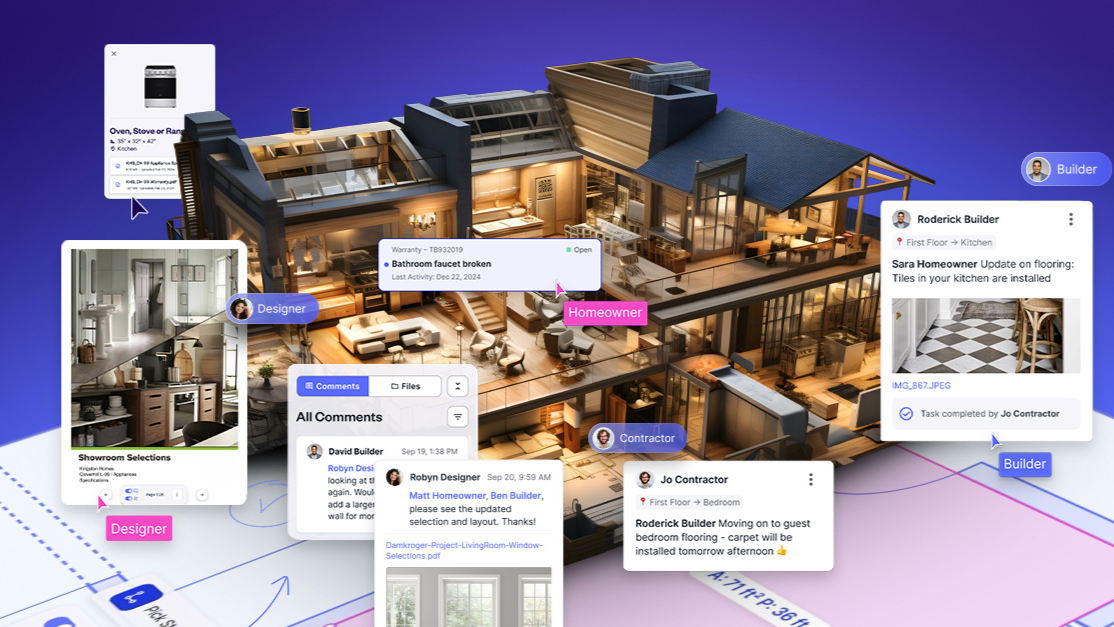
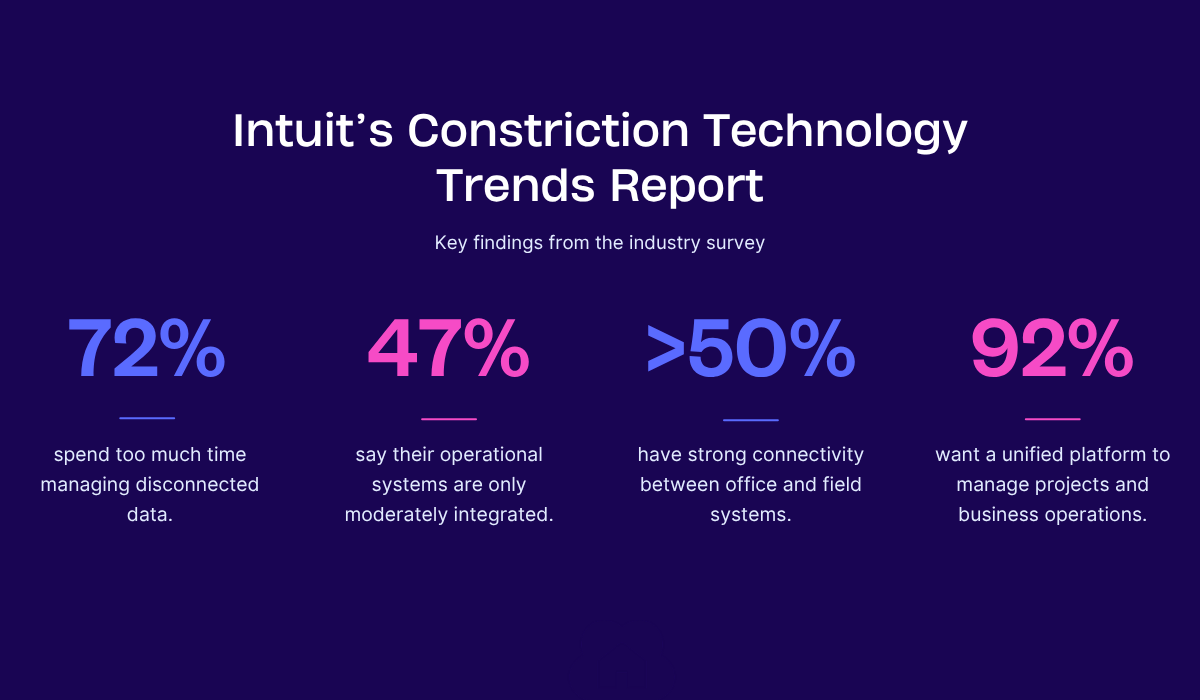
Over the past few years, builders have adopted more tools to solve coordination issues. Scheduling apps, file storage systems, messaging platforms, estimating tools, warranty portals. Each one solves a small problem on its own, but together they often create a larger one. Information gets split across systems, and no one has a full view of the project when it matters most.
The result is familiar. Teams spend more time searching for answers than building. Decisions get delayed because the latest drawing is in one place, the latest change order is in another, and field notes are somewhere else entirely.
More tools do not equal more clarity
Adding software has become the default response to complexity in construction. But complexity does not disappear when you add more systems. It just spreads out.
When data is scattered, even simple questions take too long to answer:
- What changed in the latest plan set
- Which version is the active one in the field
- What did the homeowner approve last week
Without a connected flow of information, every answer becomes a manual search.
This is where many builders start to feel the cost of their tech stack. Not in licensing fees, but in time lost across coordination gaps.
The real problem is broken context
Construction work depends on context. A drawing only matters when paired with the right comment. A selection only matters when tied to the right room. A warranty issue only matters when linked back to what was installed.
When context is broken across tools, even good data becomes hard to use.
This is why teams often feel like they have all the information but cannot find it when they need it. The issue is not storage. It is connection.
Fixing flow instead of adding tools
Teams that are seeing better results are not necessarily using more software. They are using fewer systems that keep information connected from design through handoff.
Platforms like Digs are built around this idea of unified information flow rather than tool stacking.
Instead of separating files, comments, and project updates into different systems, DigsCloud keeps project information structured in one place so teams are working from the same source of truth.
In practice, that means drawings, photos, and notes are not just stored, they are linked to the context of the project.

From static files to connected projects
Tools like DigsCanvas take this further by turning 2D plans into structured project views where rooms, layouts, and annotations are connected. This helps teams move from static PDFs to usable project data that can be shared across estimating, design, and field work.
When information is structured this way, coordination becomes faster because teams are no longer translating documents on their own. They are working from shared context.
AI only works when information is connected
Many builders are experimenting with AI tools, but results vary. The difference is not the model. It is whether the information is accessible in one place.
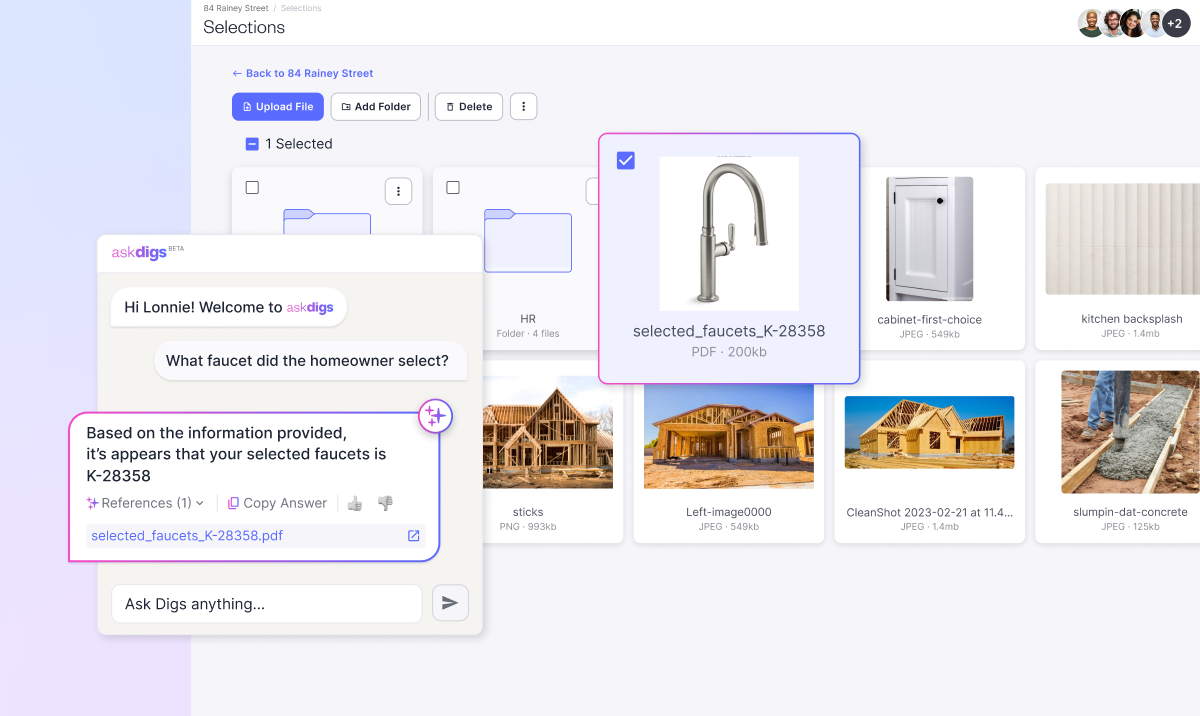
AI features like AskDigs AI are designed to work directly across project files, drawings, specs, and notes without requiring teams to manually structure or reorganize everything first. When project information lives in a single connected environment, teams can quickly search across documents and surface what they need without digging through folders or scattered systems, finding information in seconds.
When that foundation is in place, AI becomes a natural extension of the workflow, helping teams find context faster and make decisions with more clarity instead of adding another layer of tools to manage.
Reducing rework starts with better flow
Rework in construction is often blamed on execution in the field, but it usually starts earlier. A missed update. A misunderstood change. A file that was not seen.
When information flows cleanly from design to construction to warranty, fewer details get lost in translation. Tools like DigsCare extend that flow into post-build support, linking warranty requests back to original project context so teams do not start from scratch every time an issue comes up.
Simplicity is the real efficiency gain
The goal is not to eliminate software. It is to reduce the friction between systems.
Builders do not need more dashboards. They need fewer gaps between decisions.
When information is connected across the full lifecycle of a home, teams spend less time chasing updates and more time moving work forward.
That is the shift happening across higher performing builders today. Not bigger tech stacks. Better information flow.
Digs is an AI-powered collaboration software built for homebuilders. From pre-con to aftercare, it keeps your team, trades, and clients aligned with one centralized workspace for decisions, documentation, digital handoff, and ongoing warranty support.
Unlock a happier home at Digs.com