Solar panels are easier to plan for when they're considered early in the homebuilding process. Roof orientation, structural requirements, electrical capacity, and equipment placement can all affect installation. Coordinating these details before construction gets underway helps builders avoid unnecessary changes and gives homeowners a clearer understanding of their new home's energy system.
Whether you're a builder coordinating with a solar installer or a homeowner planning for long-term energy use, organized project information matters. Here's how to plan for solar panels for new homes, keep key details accessible during construction, and prepare a useful homeowner handoff.
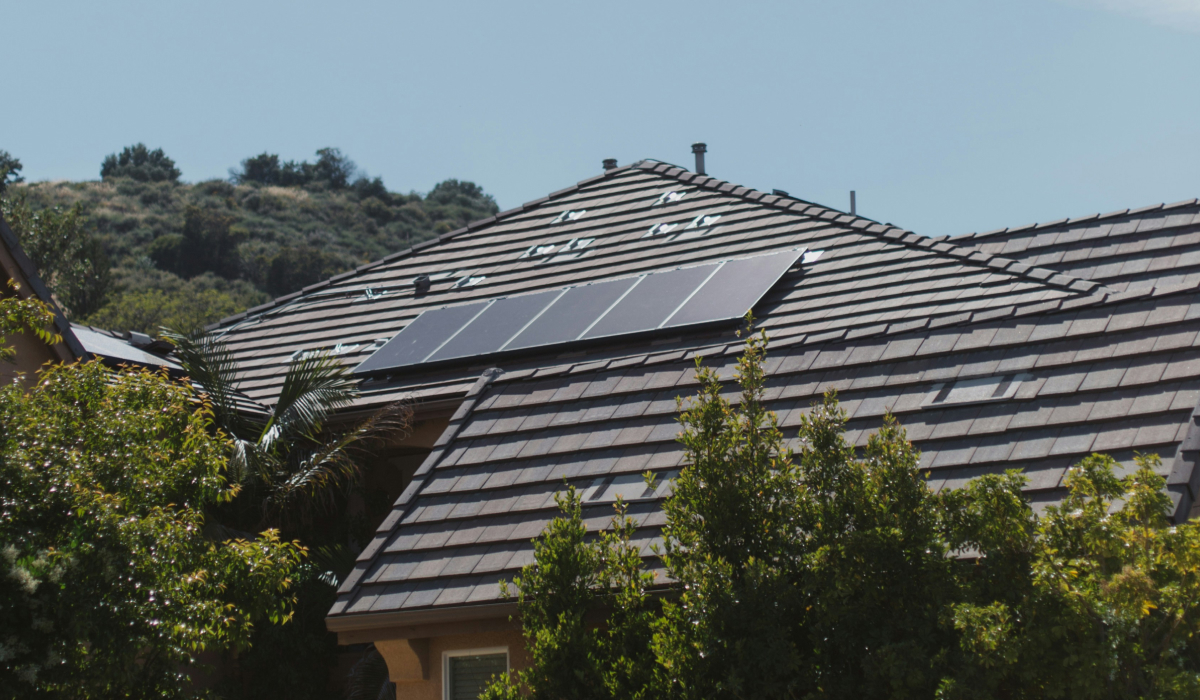
Pre-Construction: Set Your Solar Project Up for Success
The best time to plan for solar panels is before construction begins. Builders, homeowners, designers, and solar installers should align on system requirements, roof layout, electrical needs, permits, and installation responsibilities before those decisions become costly to change.
Organize Plans and Specifications
Keep solar-related documents together so the people working on the project can find the information they need.
Depending on the project, this may include:
• Solar panel and inverter specifications.
• Roof plans and structural details.
• Electrical plans and equipment locations.
• Permits, approvals, and inspection requirements.
• Installation scope, schedules, and approved changes.
Digs helps builders organize company and project files in one place. Keeping relevant solar documentation with the broader project record gives the team a shared reference when questions come up or installation details change.
Homeowners also benefit from knowing where important decisions and documents are stored. Instead of searching through email threads or asking for the same file more than once, they can refer to the project information shared with them.
Coordinate Solar Design Early
Solar panels affect more than the roof. Their placement can depend on roof orientation, shading, structural capacity, electrical equipment, and the home's overall design. Builders should coordinate with qualified solar professionals and the design team to confirm system requirements before installation.
Homeowners should ask how the proposed layout fits their energy goals, what equipment will be installed, and which decisions need to be finalized before construction progresses. Keeping the relevant plans and specifications accessible helps everyone work from the same information.

Construction: Keep Solar Installation Details Organized
During construction, the solar installer and other trades need accurate information about the home and installation schedule. Keeping plans, photos, and project updates organized helps builders coordinate the work and gives homeowners a clearer view of progress.
Keep Project Information Accessible
Use a centralized project record for relevant documents and field updates. For example, a builder can keep updated roof plans, installation photos, equipment details, and inspection records alongside other project files.
Digs supports company and project file management, markup tools, and live collaboration. These tools help teams share context and work through project details without relying entirely on scattered messages and separate file locations.
Homeowners can also benefit from access to the information shared with them. When they have the right project context, it's easier to understand updates and keep track of decisions affecting their home.
Coordinate Trades and Resolve Questions
Solar installation may involve coordination between roofing, electrical, solar, and inspection teams. Everyone needs to understand the relevant plans, installation requirements, and any approved changes that affect their work.
Digs' markup tools and live collaboration features can help teams communicate around project information. For example, a team member can mark up a relevant plan to clarify an equipment location or share context about a field question.
Keep responsibility for each open item clear, and use the team's established process to track completion. Confirm installation and inspection requirements with the qualified installer and local authority, since these vary by location and system.
Use QR Codes and Share Links for Easier Access
Construction teams often need to find the right information while working in the field. QR codes and share links can make project files easier to access without requiring someone to search through folders or message another team member for a document.
With Digs, builders can use QR codes and share links to make relevant project information accessible to the intended audience. For a solar installation, that might mean sharing an approved plan or a document the team needs to reference on site.
Always confirm that the correct file is being shared and that the link's permissions suit its intended audience. Use the latest approved documentation, especially when plans or installation details have changed.
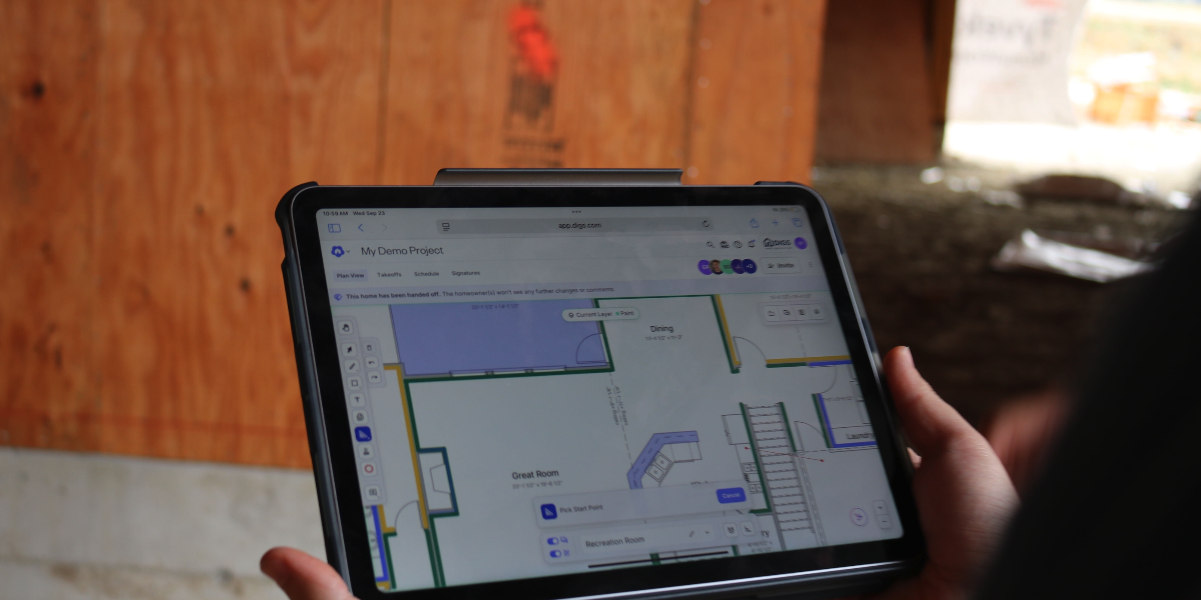
Homeowner Handoff: Create a Useful Digital Record
A solar installation doesn't end when the panels are in place. Homeowners need to know what was installed, where to find the system documentation, and whom to contact if they have questions or need service.
A digital handoff helps bring these details together instead of leaving homeowners to sort through paper manuals, email attachments, and disconnected files. It also gives builders a consistent way to deliver important project information at the end of construction.
Share Solar System Documentation
Before handoff, builders should coordinate with the installer to collect the records the homeowner will need.
These may include:
• Final equipment specifications and system details.
• Manufacturer and installer warranty documents.
• Operating instructions and maintenance guidance.
• Inspection and approval records, where applicable.
• Installer contact information and service procedures.
• Relevant permits and final project documents.
The exact package depends on the system, contract, and local requirements. Homeowners should review the materials and ask the builder or installer to clarify anything they don't understand.
Make Documents Easy to Find
A document is only useful if the homeowner can find it when needed. Organize files by system or topic, use clear names, and explain how to access the final records.
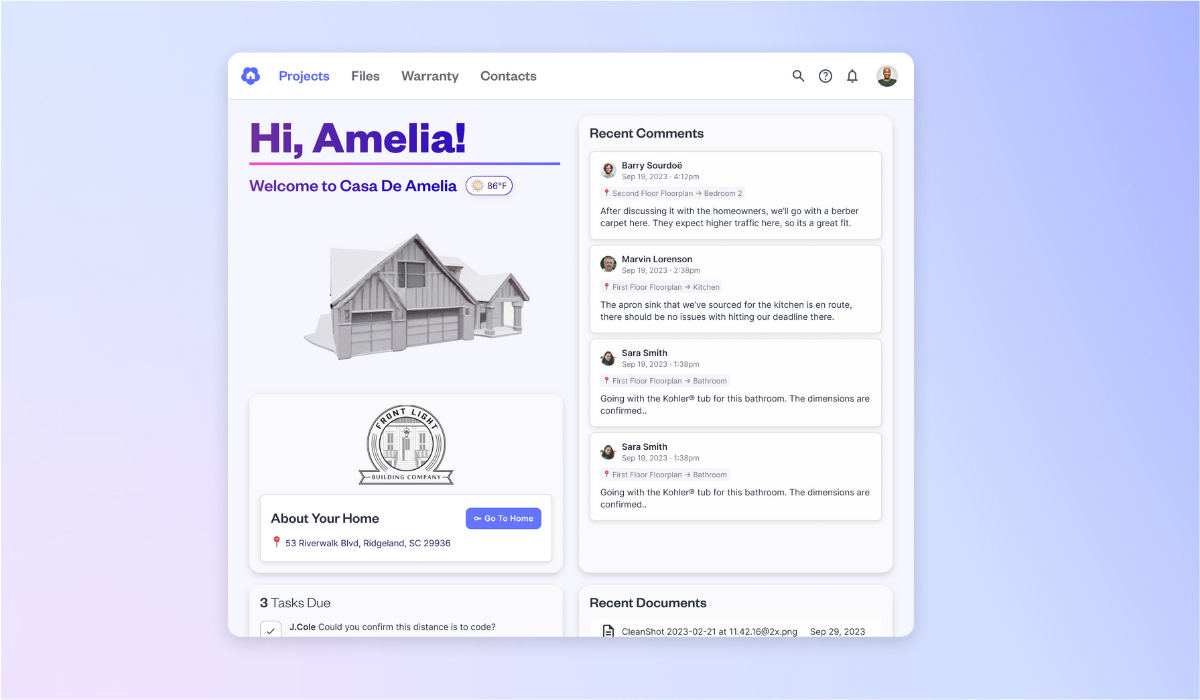
Digs supports homeowner handoff by helping builders provide a digital record of the home. Relevant solar documents can be organized alongside other project information, giving homeowners a clearer place to start when they need to reference equipment details or warranty paperwork.
Builders can also use the Digs homeowner portal as part of the handoff experience. Rather than relying only on a binder or a collection of email attachments, homeowners can access the information their builder has made available through the portal.
Explain Incentives Without Making Promises
Solar incentives can affect a homeowner's project budget, but eligibility and availability depend on the program and installation details. Builders should avoid promising a tax credit or a specific amount of savings unless the homeowner's eligibility has been confirmed by an appropriate source.
As of October 2026, the federal Residential Clean Energy Credit is no longer available for qualifying residential clean-energy expenditures made after December 31, 2025. Homeowners considering solar should check the latest information from the IRS and investigate any applicable state, local, or utility programs. Tax questions should be directed to a qualified tax professional.
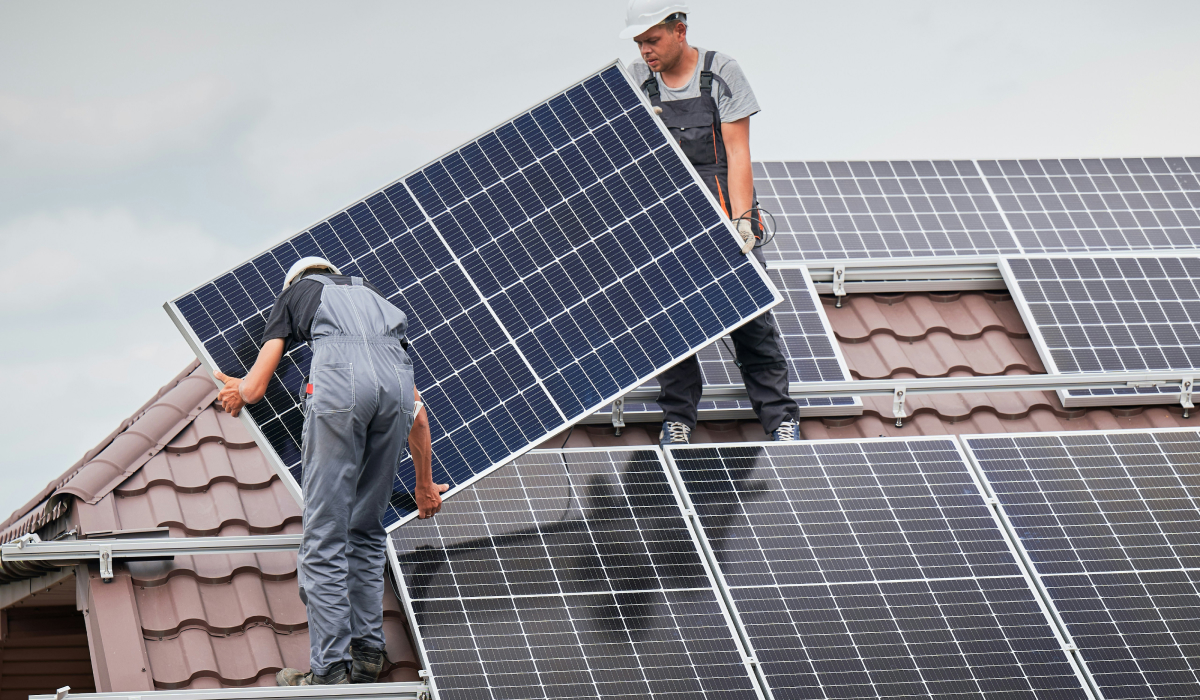
Warranty Management: Support Homeowners After Move-In
Clear warranty information and service procedures help homeowners know what to do when a question or problem comes up. For builders, maintaining an organized project record makes it easier to find relevant equipment details and coordinate with the appropriate installer or service provider.
Keep Warranty Information Together
Solar panels, inverters, batteries, and other system components may have different warranty terms and service requirements. Keep the applicable documents together and make clear which manufacturer, installer, or other provider is responsible for each type of issue.
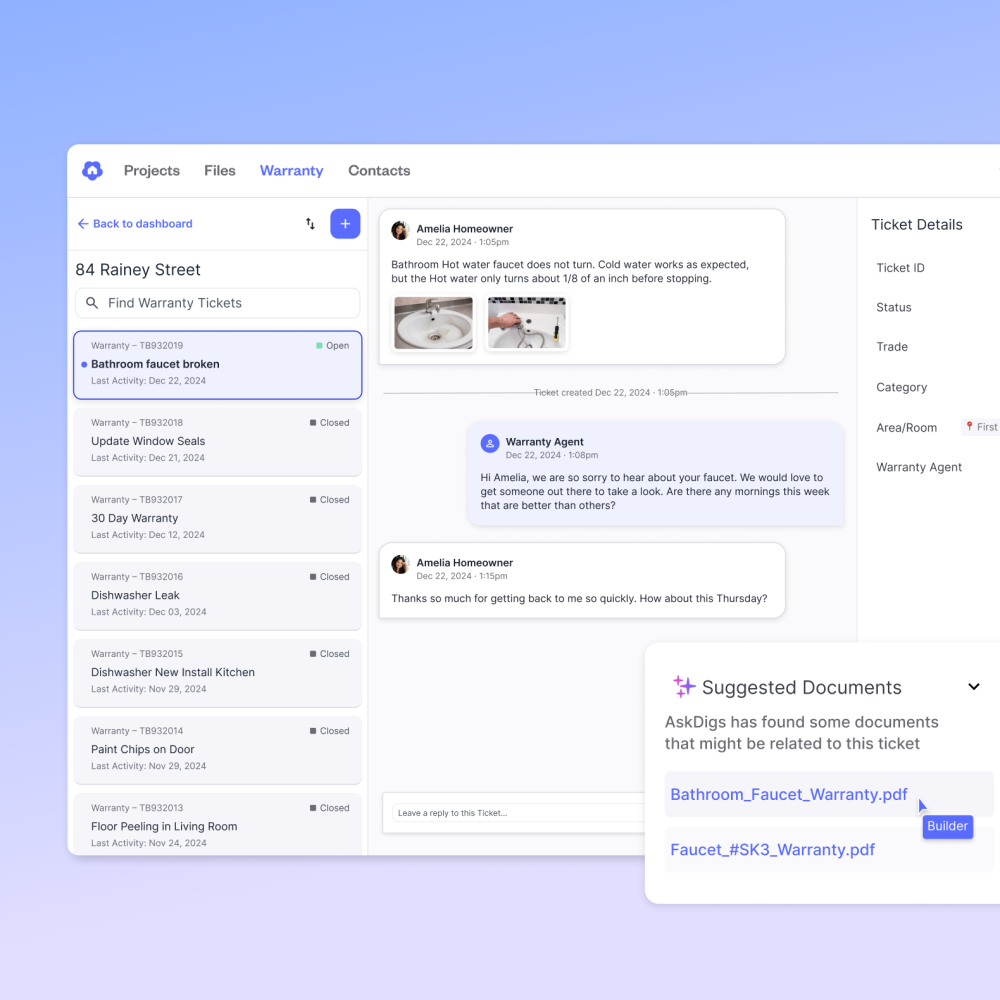
Digs includes warranty management capabilities that help builders organize homeowner warranty workflows. Keeping relevant solar documentation accessible alongside the home's broader project record gives the team useful context when a question or service request comes in.
Builders should explain the process for requesting service and identify the right contact for equipment questions. Homeowners should review their warranty terms directly, including maintenance obligations, exclusions, and the steps required to request service.
Give Homeowners a Clear Path to Support
When a homeowner reports an issue, useful context can help the team understand the problem. Depending on the situation, that context may include photos, the equipment involved, installation records, previous service notes, and the date the issue was first noticed.
A homeowner portal and organized digital records can help keep relevant information accessible after move-in. Builders can use the project record to find the right documentation and coordinate with the responsible installer or service provider.
Digs supports builders from homeowner handoff through warranty workflows, helping keep project information connected beyond the final walkthrough. It doesn't replace solar equipment monitoring or the installer's technical service process, so homeowners should continue to follow the system manufacturer's and installer's instructions.
Frequently Asked Questions About Solar Panels for New Homes
What should builders consider before installing solar panels on a new home?
Builders should coordinate roof orientation and shading, structural capacity, electrical requirements, equipment placement, permits, and inspections with qualified design and installation professionals. Planning these details early can reduce avoidable changes and help the team understand what needs to be completed before installation.
What documents should homeowners receive with a new solar system?
Homeowners should receive the relevant final system specifications, equipment manuals, warranty documents, installer contacts, inspection records, and maintenance guidance. The exact documentation depends on the system and local requirements, so homeowners should confirm the handoff package with their builder and installer.
Are federal tax credits available for solar panels installed in 2026?
The federal Residential Clean Energy Credit is not available for qualifying residential clean-energy expenditures made after December 31, 2025. Homeowners should verify current federal guidance and check whether state, local, or utility incentives apply to their project.
How can builders make solar warranty support easier for homeowners?
Builders can organize equipment and warranty documents, provide clear service contacts, and retain relevant installation and inspection records. A well-organized digital home record helps homeowners find information and gives builders useful context when coordinating a warranty question.
How can Digs help with solar panels for new homes?
Digs helps builders organize project files, collaborate around project information, and provide a digital homeowner handoff. Builders can use its file management, markup tools, QR codes and share links, homeowner portal, and warranty management capabilities to keep relevant records accessible throughout the homebuilding process.
Give Your Solar Project a Stronger Handoff
Solar panels for new homes require coordination before installation, clear documentation during construction, and useful records after move-in. Builders can help homeowners prepare for long-term ownership by aligning with qualified solar professionals early, keeping project information organized, and making final system documentation easy to access.
Homeowners benefit from understanding their system, knowing where to find its records, and having clear instructions for maintenance and service. A complete home record helps carry important project knowledge beyond the final walkthrough.
Digs is an AI-powered collaboration software built for homebuilders. From pre-con to aftercare, it keeps your team, trades, and clients aligned with one centralized workspace for decisions, documentation, digital handoff, and ongoing warranty support.
Unlock a happier home at Digs.com.