When disaster strikes, most homeowners think about insurance, evacuation plans, and emergency supplies.
But there’s another piece that often gets overlooked until it’s too late: home documentation.
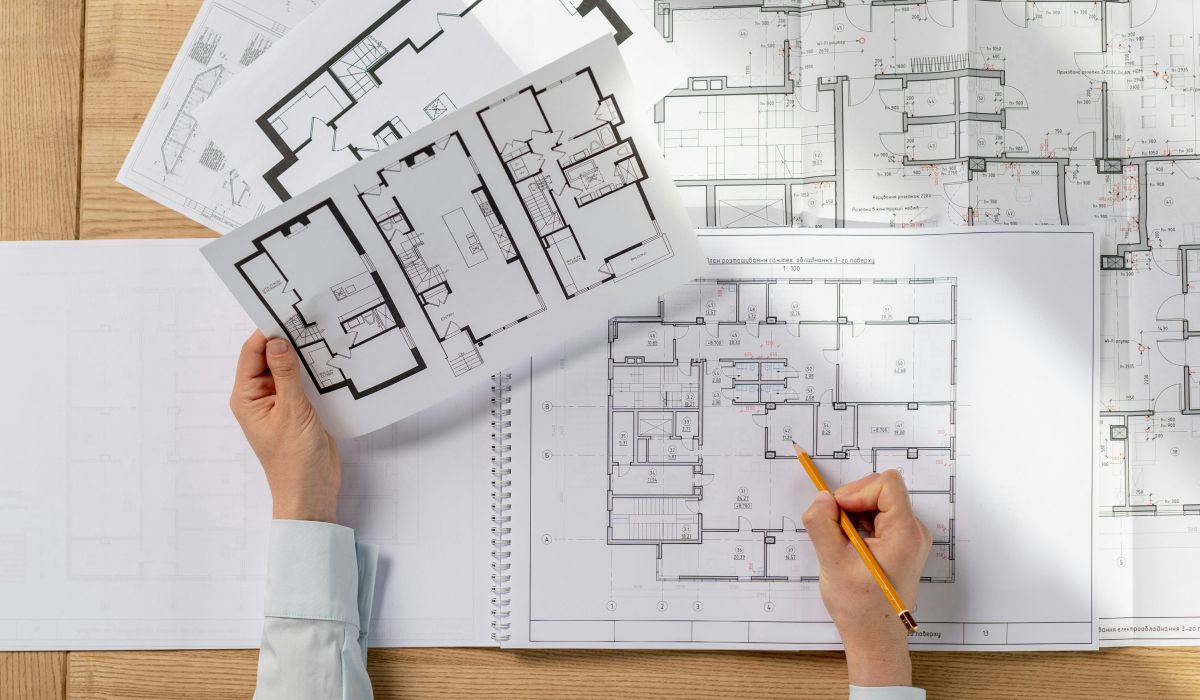
Floor plans. Appliance information. Warranty records. Material selections. Permits. Photos. Contractor contacts. Maintenance history.
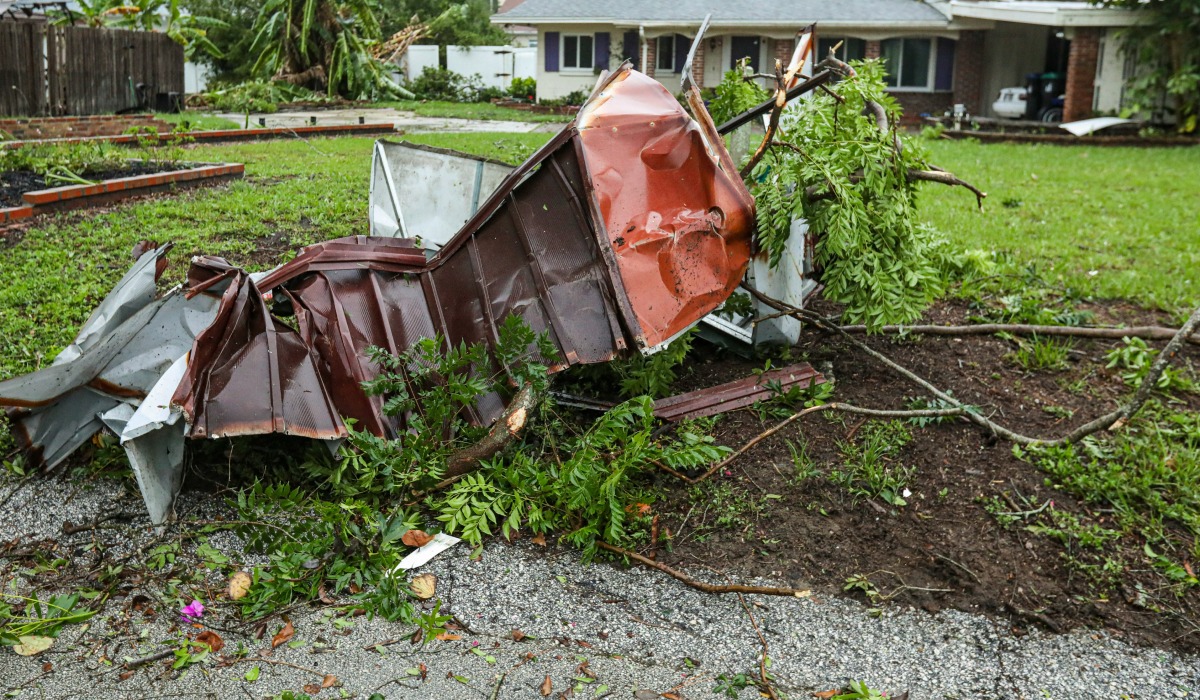
In the middle of a hurricane, wildfire, or severe storm recovery, these documents can become some of the most valuable tools a homeowner has.
As climate events become more frequent and more destructive, keeping your home information organized is no longer just a convenience. It’s part of protecting the investment itself.
The Problem With Paper Trails
Most homeowners don’t realize how scattered their home information really is until they need it urgently.
Important documents are often spread across:
- Email threads
- Filing cabinets
- Builder portals
- Text messages
- Dropbox folders
- Old binders in garages
- Contractor invoices
- Manufacturer websites
And during an emergency, that fragmentation creates real problems.
If a wildfire destroys a home, homeowners may struggle to remember:
- What materials were installed
- Which appliances were purchased
- When systems were serviced
- What upgrades were made
- Which contractor handled specific work
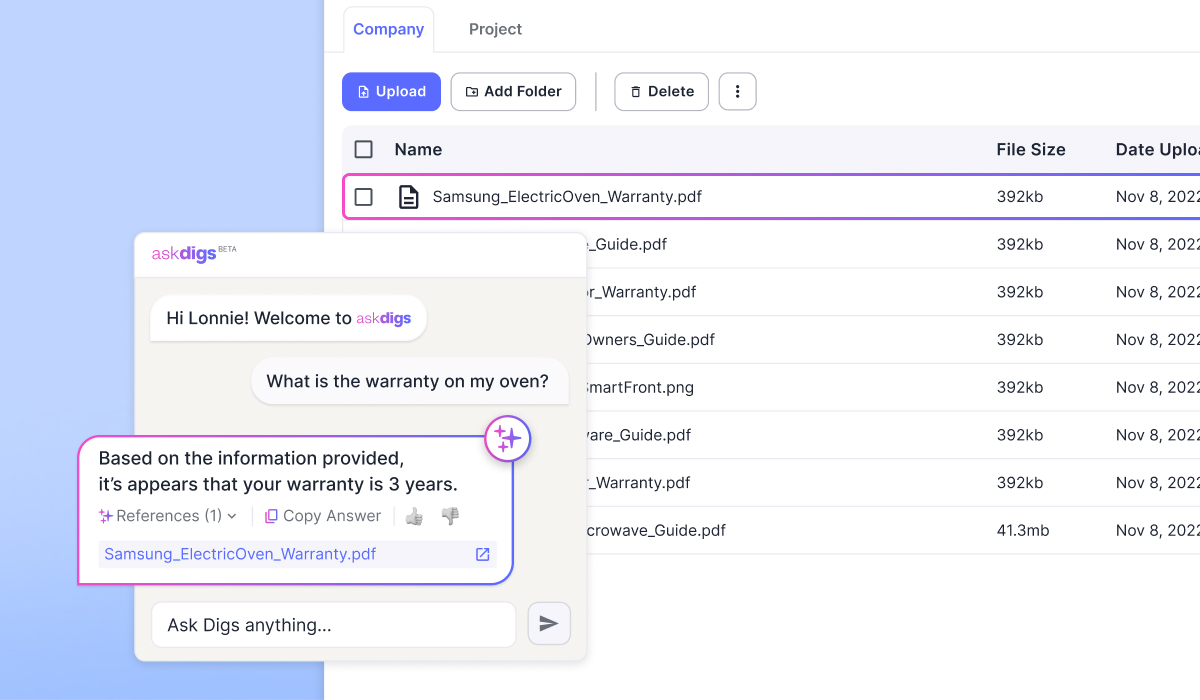
- Where warranty documents are stored
The same is true after hurricanes, floods, windstorms, or tornadoes. Recovery moves much faster when documentation is immediately accessible.
Why Documentation Matters During Recovery
1. Insurance Claims Move Faster
After a major storm or wildfire, insurance companies often require detailed information about the home and its contents.
Having access to:
- Photos
- Receipts
- Product serial numbers
- Material specifications
- Upgrade records
- Maintenance documentation
can significantly reduce delays and disputes during claims processing.
Without documentation, homeowners are left trying to recreate years of decisions from memory during one of the most stressful moments imaginable.
2. Rebuilding Becomes More Accurate
When homes are damaged or destroyed, rebuilding requires clarity.
Builders, architects, and insurance adjusters need accurate information about:
- Layouts
- Structural details
- Finishes
- Fixtures
- Mechanical systems
- Product selections
If those records exist in one organized system, reconstruction becomes faster and more precise.
Instead of guessing what was installed, teams can work from verified records.

3. Warranty and Service History Matter
Storms often expose existing weaknesses in roofing, drainage, HVAC systems, windows, and electrical work.
Having warranty information readily available helps homeowners quickly determine:
- What’s still covered
- Which manufacturers to contact
- Which contractors performed the original work
- What maintenance history exists
That saves time when every day without repairs matters.
4. Emergency Response Gets Easier
For custom homes or remodeled properties, documentation can also help emergency teams and restoration crews respond more effectively.
Knowing:
- Utility shutoff locations
- Electrical layouts
- Plumbing routes
- Smart home system configurations
- Material types
can improve both safety and coordination during recovery efforts.
The Rise of the Digital Home Record
Historically, homeowners received a large binder at handoff filled with manuals and paperwork.
The problem is that physical binders:
- Get lost
- Become outdated
- Are difficult to search
- Cannot easily scale with renovations and repairs
- Are vulnerable to the same disasters affecting the home
Today, more builders and homeowners are moving toward centralized digital home records.
A modern digital home record creates a living system for the property — one that evolves over time instead of sitting untouched on a shelf.
This includes:
- Construction documents
- Product specifications
- Maintenance history
- Warranty records
- Photos and videos
- Service contacts
- Renovation updates
- Homeowner notes
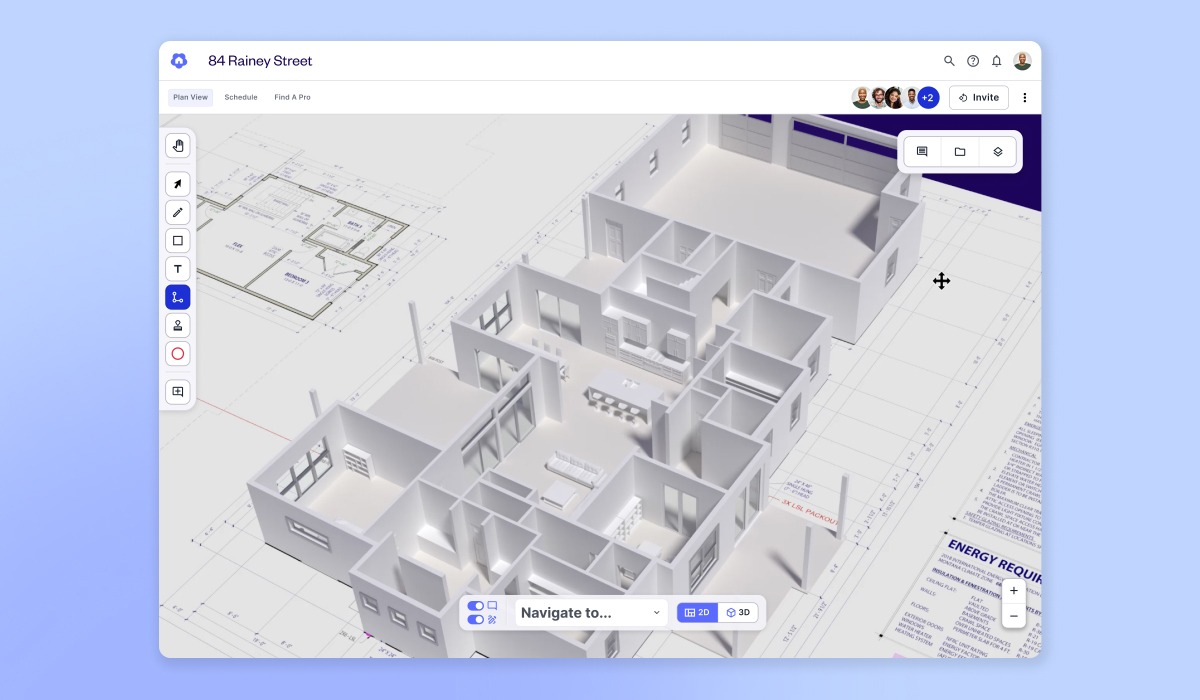
Platforms like Digs are helping make this possible by giving homeowners a digital home record that keeps plans, selections, warranties, manuals, and project history organized in one place. Instead of searching through emails, binders, and folders, homeowners can quickly access the information they need from anywhere.
The goal is simple: make critical information accessible when it matters most.
Disaster Preparedness Is Changing
Preparedness used to mean flashlights, bottled water, and backup generators.
Now it also means protecting information.
Because when a disaster happens, homeowners are not just recovering physical structures. They are trying to recover years of decisions, investments, and knowledge tied to the home.
Having a centralized digital record of the home can provide peace of mind before disaster strikes and clarity when recovery begins. Whether it's locating warranty information, identifying materials used during construction, or providing documentation for an insurance claim, access to accurate information can help homeowners move forward faster.
The builders and homeowners who prioritize documentation today will be far better positioned to navigate tomorrow's storms.
No one expects to lose access to their home overnight.
But hurricanes, wildfires, floods, and severe storms are becoming a growing reality for homeowners across the country.
When recovery begins, organized home information can make an enormous difference:
- Faster insurance claims
- Smoother rebuilding
- Easier warranty coordination
- Better communication with contractors and service teams
- Less stress during already difficult situations
A home is one of the largest investments most people will ever make.
Its documentation deserves to be protected too.
That's why more builders are embracing digital home records through platforms like Digs, giving homeowners a secure, searchable place to access the information tied to their home long after construction is complete. When the unexpected happens, having the right information at your fingertips can be just as valuable as having the right tools on hand.