For years, the builder homeowner relationship has followed a familiar pattern. Strong at the beginning, strained in the middle, and tested at the end. Most issues were not about craftsmanship or intent. They came down to communication, visibility, and expectations.
That dynamic is starting to change.
Technology is giving builders new ways to keep homeowners informed, involved, and confident throughout the entire lifecycle of a project. Not just during construction, but long after the keys are handed over.
This shift is not about adding complexity. It is about removing friction.
From Information Gaps to Shared Visibility
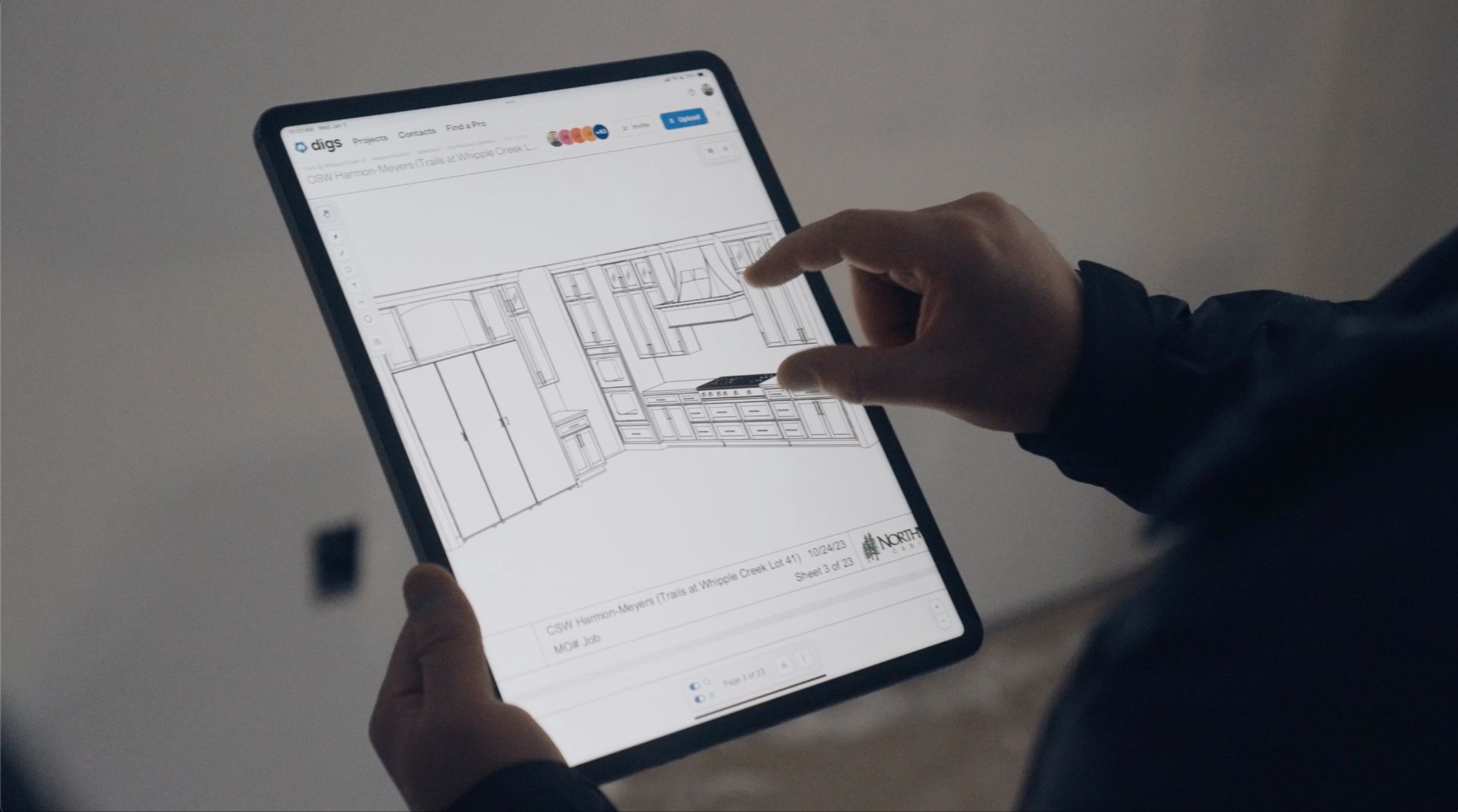
One of the biggest sources of tension in any project is the information gap. Builders live in plans, specs, and schedules. Homeowners do not.
Traditionally, that gap has been bridged through emails, phone calls, PDFs, and occasional site visits. It works, but it leaves room for misinterpretation, missed details, and repeated questions.
Modern platforms are changing that by creating a shared source of truth. Instead of information being scattered across texts, inboxes, and paper plans, everything lives in one place. Selections, documents, photos, notes, and updates are organized and accessible.
For builders, that means fewer repetitive questions and less time tracking down answers. For homeowners, it means clarity and confidence.
When both sides are looking at the same information, conversations become more productive.
Visual Understanding Changes Everything
Plans and elevations are second nature to builders. For homeowners, they are often abstract and difficult to interpret.
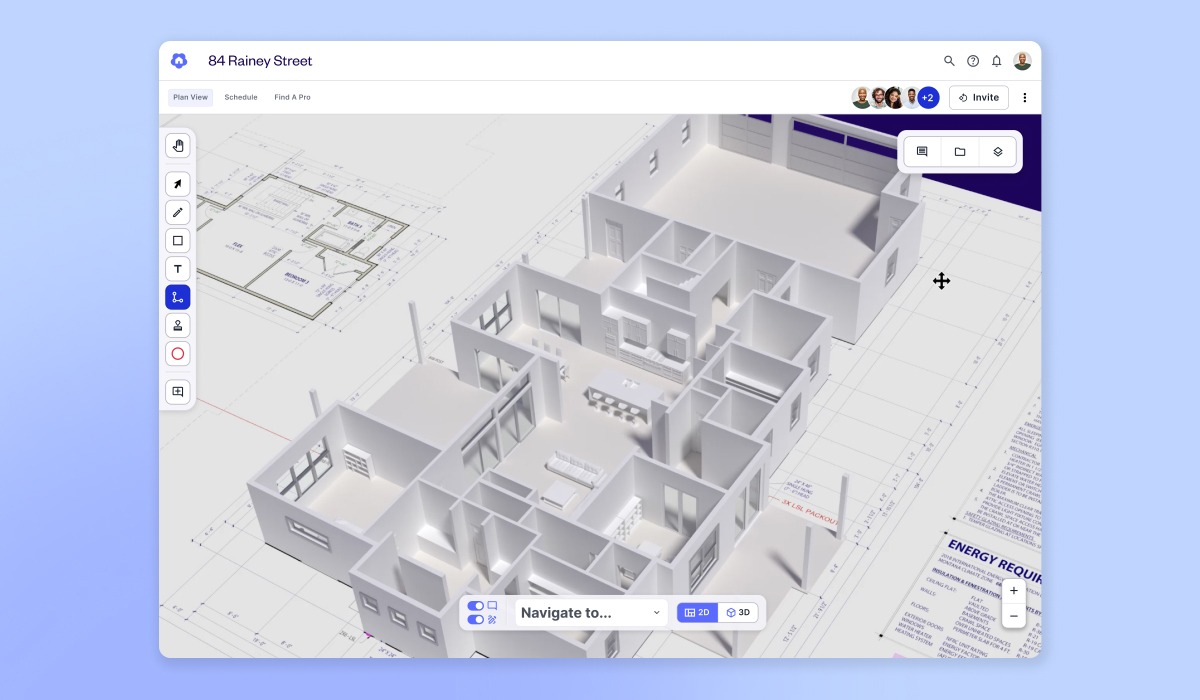
This is where technology is making a noticeable impact. Tools that translate plans into visual, interactive formats help homeowners better understand what they are getting. Not just room dimensions, but flow, layout, and how spaces connect.
That understanding reduces second guessing later. It also leads to better decisions earlier in the process.
Builders benefit because fewer misunderstandings turn into change orders, delays, or frustration.
Real Time Communication Without the Chaos
Communication has always been critical, but more communication is not always better. What matters is clarity and context.
Technology is helping shift communication from reactive to structured. Instead of long email threads or scattered text messages, updates and conversations are tied directly to specific plans, photos, or items.
A question about a window placement lives with that window. A note about a finish is attached to that selection. A photo update is connected to a specific room or stage.
This context reduces back and forth and creates a record that is easy to reference later.
Builders are finding that when communication is organized, they spend less time managing it.
Extending the Relationship Beyond the Build
Historically, the relationship between builder and homeowner fades quickly after project completion. Once warranties are addressed and final payments are made, communication drops off.
That is a missed opportunity.
Homeowners often have questions months or even years later. Where is that paint color stored? What was the model number for that appliance? Who installed the flooring?
When this information is hard to access, homeowners either reach out repeatedly or move on to someone else for future work.
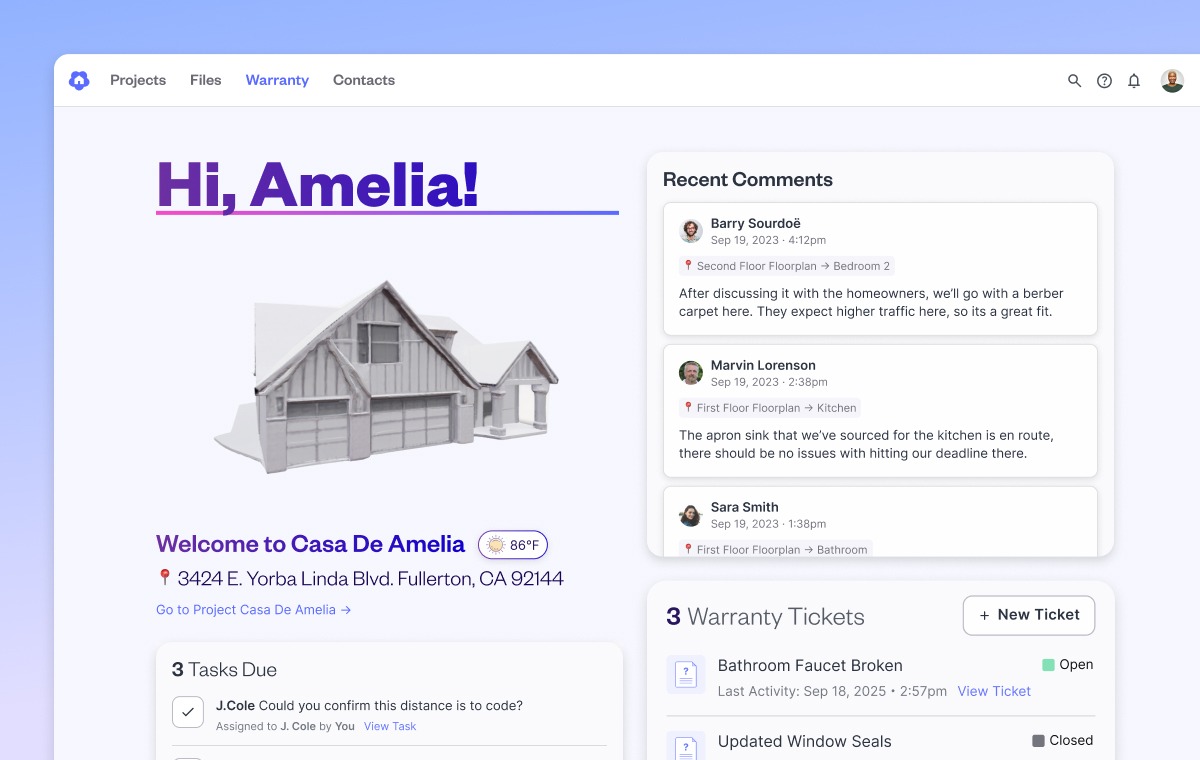
Technology is enabling builders to deliver a better post build experience by giving homeowners a digital record of their home. A place where everything is documented and easy to find.
This does more than reduce follow up calls. It builds long term trust and opens the door for repeat business, referrals, and ongoing service work.
Building Trust Through Transparency
At its core, the builder homeowner relationship is built on trust. Technology does not replace that. It reinforces it.
When homeowners can see progress, access information, and understand decisions, they feel more in control. That transparency reduces anxiety and strengthens confidence in the builder.
For builders, this trust translates into smoother projects, better reviews, and stronger reputations.
Where Platforms Like Digs Fit In
Builders are not looking for more tools. They are looking for better ways to manage the ones they already rely on.
Platforms like Digs are emerging to address this exact challenge. By centralizing plans, selections, communication, and homeowner information into a single experience, they help simplify the complexity that often defines residential construction.
The value is not just in the technology itself, but in how it aligns everyone involved in a project. Builders, teams, and homeowners are all working from the same foundation.
That alignment is what ultimately improves the relationship.

The Takeaway
The builder homeowner relationship is evolving. Expectations are higher, projects are more complex, and communication needs to be sharper than ever.
Technology is not a silver bullet, but it is a powerful enabler. It helps builders deliver a more organized, transparent, and professional experience without adding unnecessary overhead.
The builders who embrace this shift are not just improving project outcomes. They are redefining what it feels like to work with them.
And that is what homeowners remember long after the build is complete.