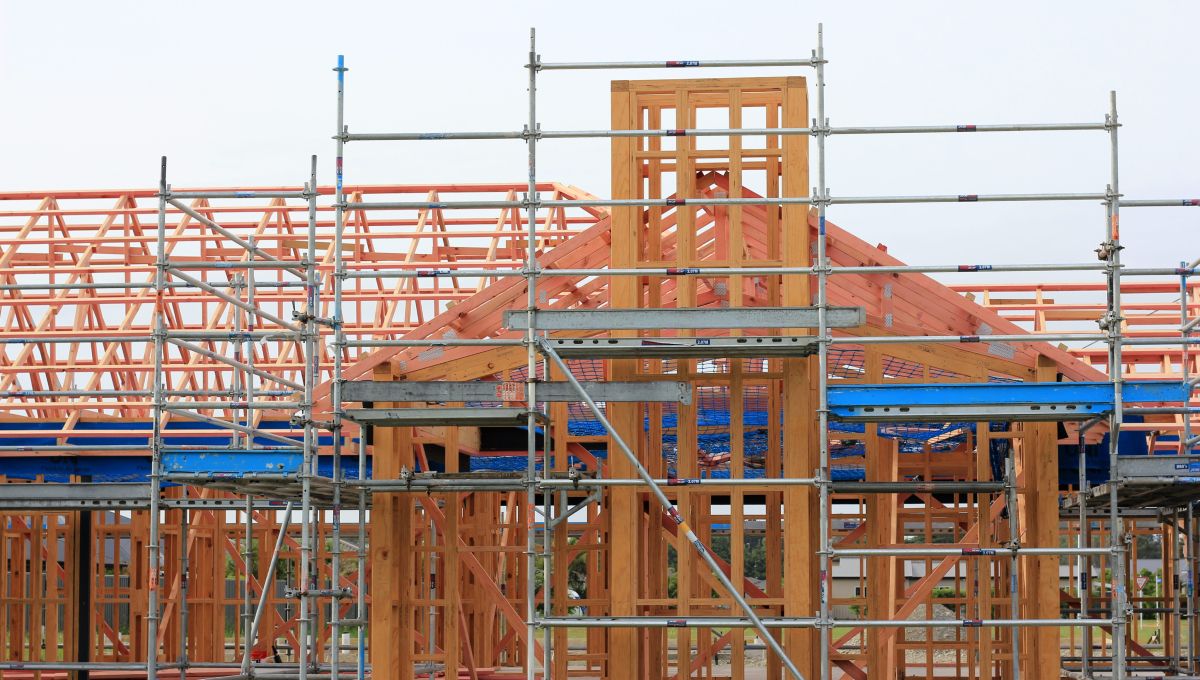
House framing is one of the most important stages of home construction. It establishes the structure that supports the rest of the home, from walls and rooflines to windows, doors, and interior layouts. It is also a stage when homeowners can have questions about how their plans are taking shape.
For home builders, strong communication during house framing helps set expectations, explain construction decisions, and keep homeowners informed as the project progresses.
The challenge is that much of the work happens quickly, and important details can become difficult to track across emails, text messages, plans, and jobsite conversations.
A consistent communication process helps builders manage those details without adding unnecessary work to an already busy schedule. With Digs, builders can keep project information organized, share updates, and give homeowners a clearer understanding of their home's construction from pre-construction through warranty support.
Why Is Communication Important During House Framing?
House framing turns architectural plans into the structure of a home. It is when the layout, dimensions, openings, and structural components begin to take physical shape.
For homeowners, this stage can be exciting, but it can also be difficult to follow. They may not understand why certain framing decisions are necessary, what happens next, or how a change could affect other parts of the build.
Clear communication helps answer those questions before they turn into confusion or frustration.
For builders, a reliable communication process can help:
- Set expectations: Explain the framing schedule, upcoming milestones, and decisions that may need homeowner input.
- Keep information accessible: Make current plans, selections, and project details easier for the team and homeowners to find.
- Reduce avoidable back-and-forth: Keep questions and relevant context connected to the project instead of scattered across different channels.
- Build homeowner confidence: Show clients the progress being made and help them understand the work behind their investment.
Good communication does not mean sending an update every time something happens on site. It means making sure homeowners receive the right information at the right time, with a clear place to find it later.
1. Pre-Construction: Establish a Clear Plan Before Framing Begins
The framing process starts long before lumber arrives on site. Before construction begins, builders need to coordinate plans, selections, specifications, and decisions that influence how the home will be built.
This is also the time to establish how information will be shared with homeowners.
Make Construction Plans Easier to Understand
Architectural drawings and framing plans contain important details, but not every homeowner knows how to interpret them.
Builders can walk clients through the relevant plans, explain key dimensions, and identify major layout decisions. This gives homeowners a better understanding of what to expect once framing begins.
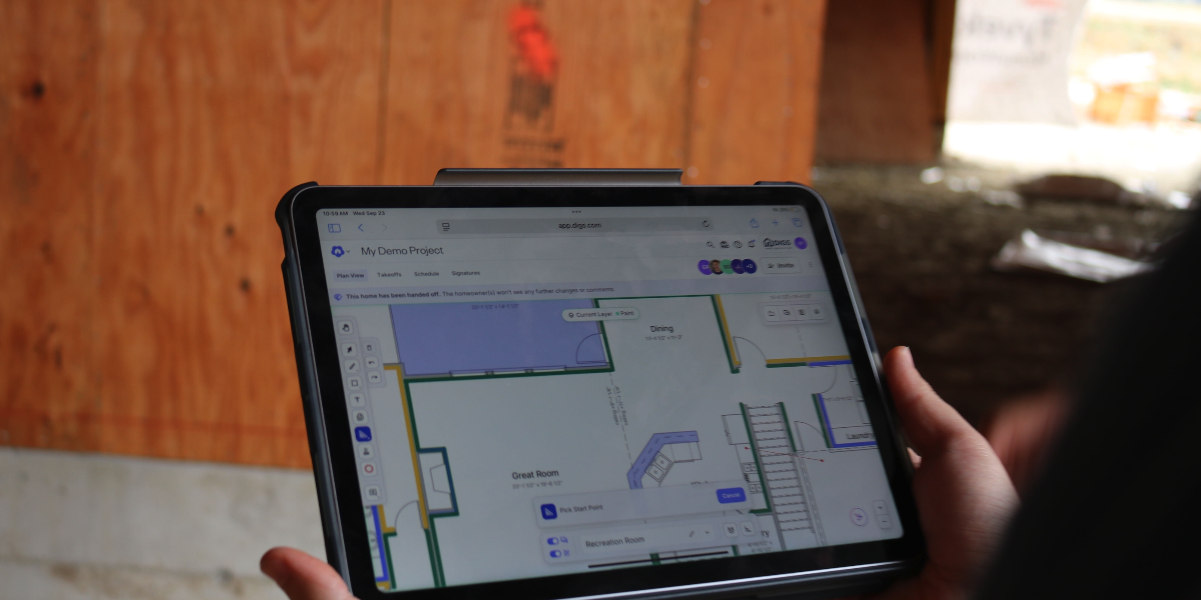
With Digs, builders can upload plans and other project files to a centralized workspace that authorized project participants can access. Homeowners can review shared information on their devices, making it easier to revisit details after a meeting.
The goal is not to make homeowners responsible for interpreting construction documents. It is to give them enough context to understand the decisions being made and know where to find the information that matters to them.
Keep Decisions and Selections Organized
Before framing starts, a homebuilder may already be managing dozens of homeowner decisions. Window locations, door configurations, ceiling heights, and other design details can affect the plans and work that follow.
When those decisions live in separate emails or text messages, it becomes harder to confirm what was agreed upon.
Digs helps builders organize project files, selections, and related communication in one place. Teams can refer back to documented details instead of relying on memory or searching through old messages.
For builders, this creates a clearer record of decisions. For homeowners, it provides greater visibility into the details shaping their home.
For more information on choosing a framing approach, read our guide to the pros and cons of the most common types of house framing.
2. During Construction: Keep Homeowners Informed as Framing Progresses
Once framing begins, the home can change significantly in a short amount of time. Walls go up, roof structures take shape, and room layouts become easier to visualize.
Regular updates help homeowners follow that progress without needing to be on site every day.
Share Photos and Progress Updates
A framed room can look very different from the finished space a homeowner imagined during the design process. Photos and videos help bridge that gap.
Builders can share jobsite updates that show how the home is taking shape, explain completed milestones, and prepare homeowners for what comes next.
Digs supports sharing project updates and visual information, helping builders keep relevant context accessible to the people involved in the build.
A useful update does more than show a photo. It explains what the homeowner is seeing and why it matters.
For example, a framing update might highlight the completed wall layout, explain that window openings are in place, or note that the team is preparing for the next phase of work.
These small explanations help homeowners connect the plans they reviewed earlier with the home being built in front of them.
Keep Questions Connected to the Project
Questions are a normal part of building a custom home. A homeowner may want to confirm a detail, understand a change, or ask how a framing decision relates to the finished design.
The challenge for builders is keeping track of those conversations while coordinating trades, schedules, materials, and other project responsibilities.
A centralized project workspace helps keep information and communication easier to locate. With Digs, teams can reference project details and collaborate without relying entirely on separate inboxes and message threads.
When a question requires a decision or follow-up, make sure the next step and responsible person are clear. If a change affects the approved plans or scope, document the decision through the builder's established change-management process.
This gives everyone a clearer record of what was discussed and what needs to happen next.
3. Homeowner Handoff: Preserve the Information Behind the Home
The builder-homeowner relationship should not end when construction is complete. The information collected throughout the build can continue to provide value long after the keys are handed over.
House framing is a good example. Once drywall and finishes are installed, important structural details become hidden from view. Homeowners may later need to understand the home's construction history when planning renovations, investigating an issue, or working with a service professional.
Give Homeowners More Than a Folder of Documents
A useful homeowner handoff includes more than a set of plans and a stack of manuals. It gives homeowners a clear, organized record of the home and the information they may need to maintain it.
Depending on the project, that record may include:
- Approved plans and relevant construction documents.
- Product specifications, selections, and installation information.
- Important project decisions and documented changes.
- Warranty information and service contacts.
- Maintenance guidance and other home-specific resources.
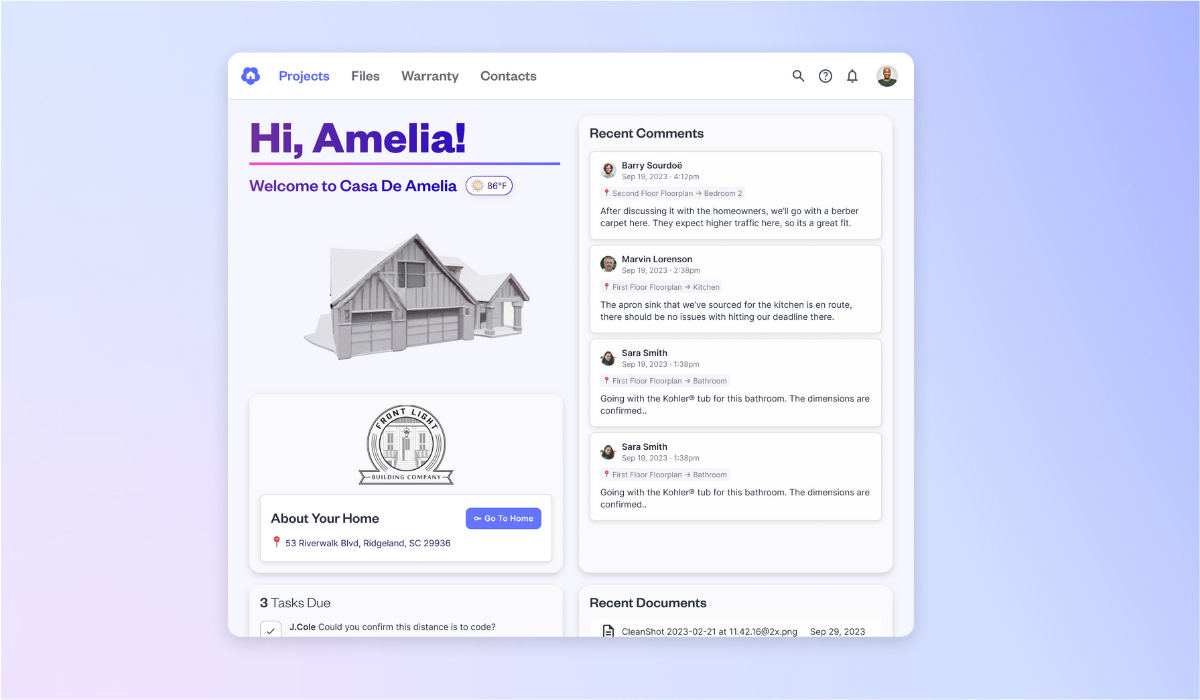
Digs helps builders organize and share project information with homeowners, creating a digital record they can return to after move-in.
This is especially valuable when homeowners need to answer a question months or years later. Instead of contacting the builder to track down an old file, they have a central place to start looking.
A more organized handoff also helps builders demonstrate the care and coordination that went into delivering the home.
Make the Home Easier to Understand Over Time
A home's history becomes more useful when information is easy to find and understand.
Builders can help by explaining what documents contain, identifying important maintenance resources, and showing homeowners how to access their digital home records.
Digs supports this process by bringing project information together for ongoing homeowner access. Rather than treating handoff as a final administrative task, builders can make it part of the overall customer experience.
The result is a more useful record of the home and a better starting point for future questions.
4. Warranty and Aftercare: Continue the Relationship After Move-In
Even a well-built home requires maintenance, and homeowners may have questions or service needs after moving in.
How builders handle those requests can influence the homeowner's experience just as much as the construction process itself.
Without a consistent process, warranty requests can arrive through multiple channels. Photos may be separated from the original issue, previous conversations can be difficult to find, and team members may have to spend time reconstructing the history of a project.
Keep Warranty Requests Organized
An effective warranty process gives homeowners a clear way to report issues and helps builders track what needs attention.
DigsCare supports homeowner warranty and aftercare workflows, allowing homeowners to submit warranty tickets and helping builders manage requests with relevant project context. Tickets can be associated with locations on a home's floorplan, making it easier to understand where an issue is occurring.
For example, if a homeowner reports a concern in a particular room, the location and supporting information can help the team understand the request before arranging a visit.
This creates a more organized starting point for follow-up and helps reduce the need to collect the same information multiple times.
Use the Home's History to Support Better Service
When a warranty question comes in, the original construction details may help the builder determine what information is needed next.
Having access to relevant project records, product details, and documented decisions gives the team more context than a standalone email or phone message.
A digital home record can also help homeowners locate relevant information before contacting the builder.
Not every issue can be resolved through documentation alone, but better access to project history makes it easier to investigate concerns and coordinate the next step.
For builders, that means aftercare can become a more structured part of the customer relationship instead of a series of disconnected requests.

5. How Digs Connects the Entire Homebuilding Journey
House framing is one stage of a much larger process. The plans, decisions, photos, and documents collected along the way become more valuable when they remain accessible throughout the home's lifecycle.
Digs helps home builders bring these workflows together in one centralized workspace.
From pre-construction through aftercare, builders can use Digs to:
- Organize project information: Keep plans, files, selections, and important details accessible to the appropriate project participants.
- Improve collaboration: Give teams and homeowners a clearer place to find shared information and follow project conversations.
- Document progress: Share photos and updates that help homeowners understand how their homes are taking shape.
- Support homeowner handoff: Provide a digital record of the home that homeowners can reference after move-in.
- Manage warranty and aftercare: Give homeowners a more structured way to report issues and help builders manage requests with project context.
The value is not limited to framing. Information captured during construction can support future maintenance, renovations, and warranty conversations, helping builders deliver a more complete homeowner experience.
Building Better Builder-Homeowner Relationships Starts With Better Information
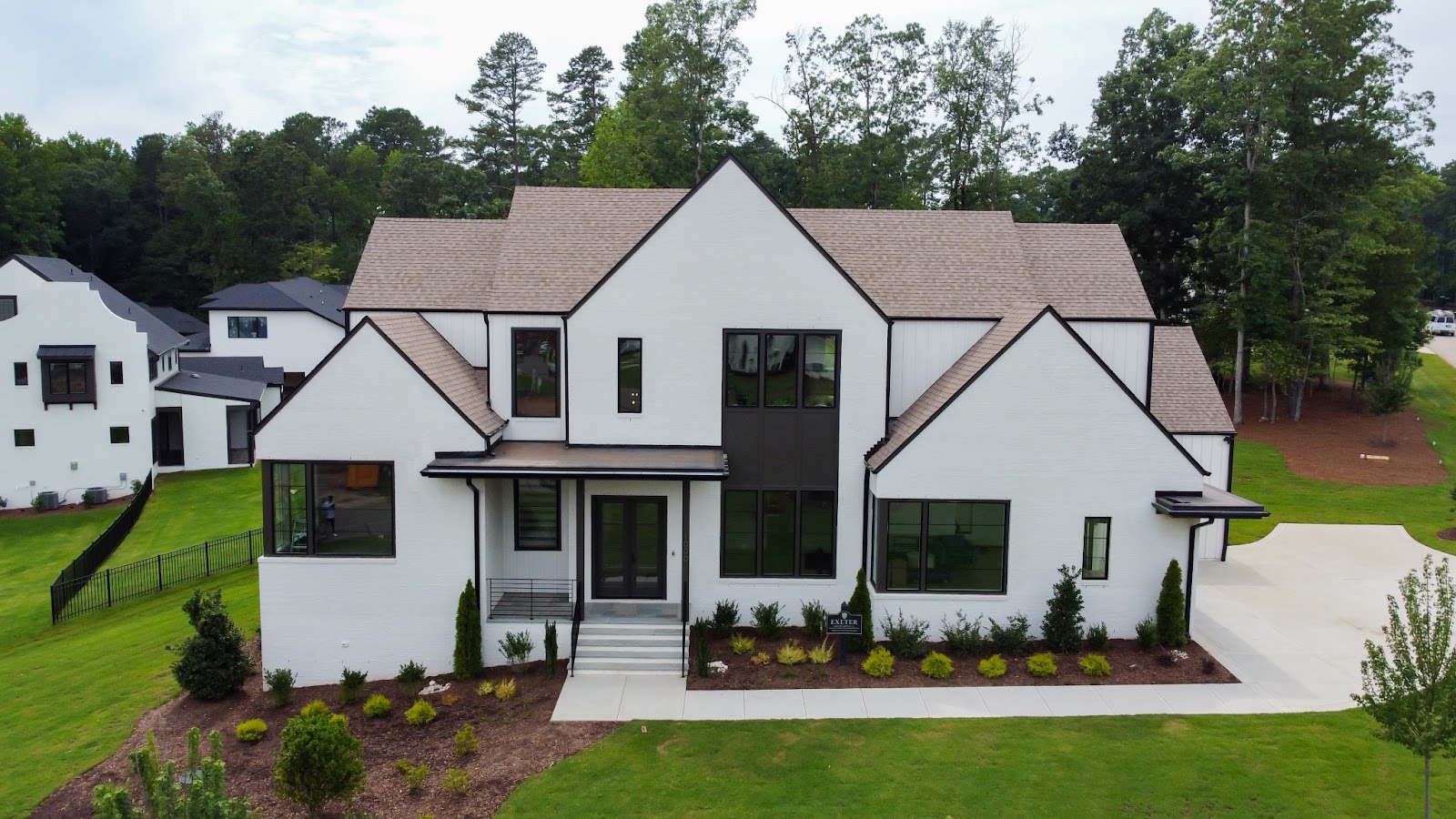
House framing establishes the structure of a home, but the builder-homeowner relationship develops throughout the entire project.
Clear expectations before construction, useful updates during framing, an organized digital handoff, and a consistent aftercare process all help homeowners feel informed and supported.
For builders, these practices can also make project information easier to manage and reduce the time spent searching for past decisions or answering questions without the full context.
Digs helps connect these stages by keeping project information organized and supporting collaboration from pre-construction through warranty management.
When homeowners understand the work behind their home and can access the information they need, builders are better positioned to deliver a positive experience that lasts beyond move-in.
Digs is an AI-powered collaboration software built for homebuilders. From pre-con to aftercare, it keeps your team, trades, and clients aligned with one centralized workspace for decisions, documentation, digital handoff, and ongoing warranty support.
Unlock a happier home at Digs.com