For years, the white kitchen has been one of the most popular choices in home design. White cabinets, light countertops, and bright backsplashes became a familiar combination in new construction and renovations alike.
But kitchen design is starting to move in a different direction.
Homeowners are looking for kitchens that feel warmer, more personal, and more connected to the rest of the home. Instead of relying on an all-white palette, today's kitchens are bringing in natural materials, richer colors, mixed finishes, and more intentional details.
So, are white kitchens finally out?
Not exactly. White kitchens are still a timeless choice, but the definition of a modern kitchen is expanding. Here are some of the kitchen trends taking over in 2026.
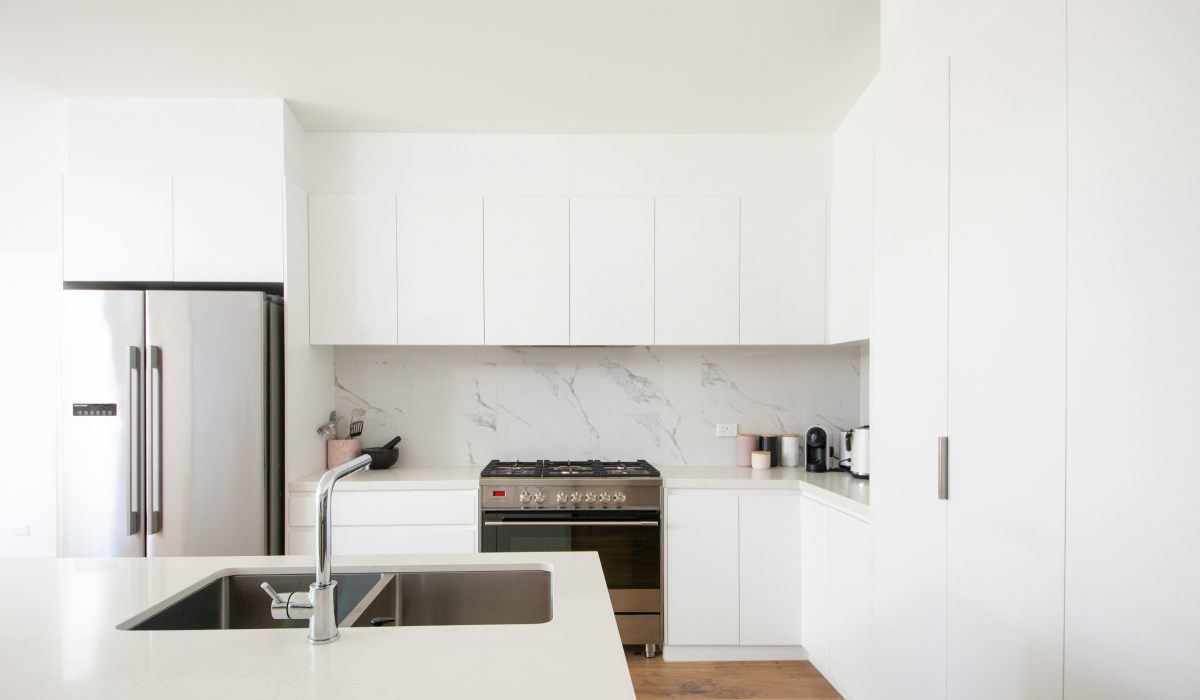
1. Warm, Natural Kitchen Colors
One of the biggest shifts in kitchen design is a move away from cool, stark whites toward warmer colors.
Cream, off-white, beige, taupe, mushroom, and soft earthy tones are showing up in cabinets, walls, countertops, and backsplashes. These colors can create a softer look while still keeping a kitchen feeling bright and open.
For homeowners who like the simplicity of white, warmer neutrals offer a way to update the look without making a dramatic change.
For builders, this trend can also provide more flexibility. Warm neutrals can work across a range of home styles and complement both traditional and contemporary finishes.
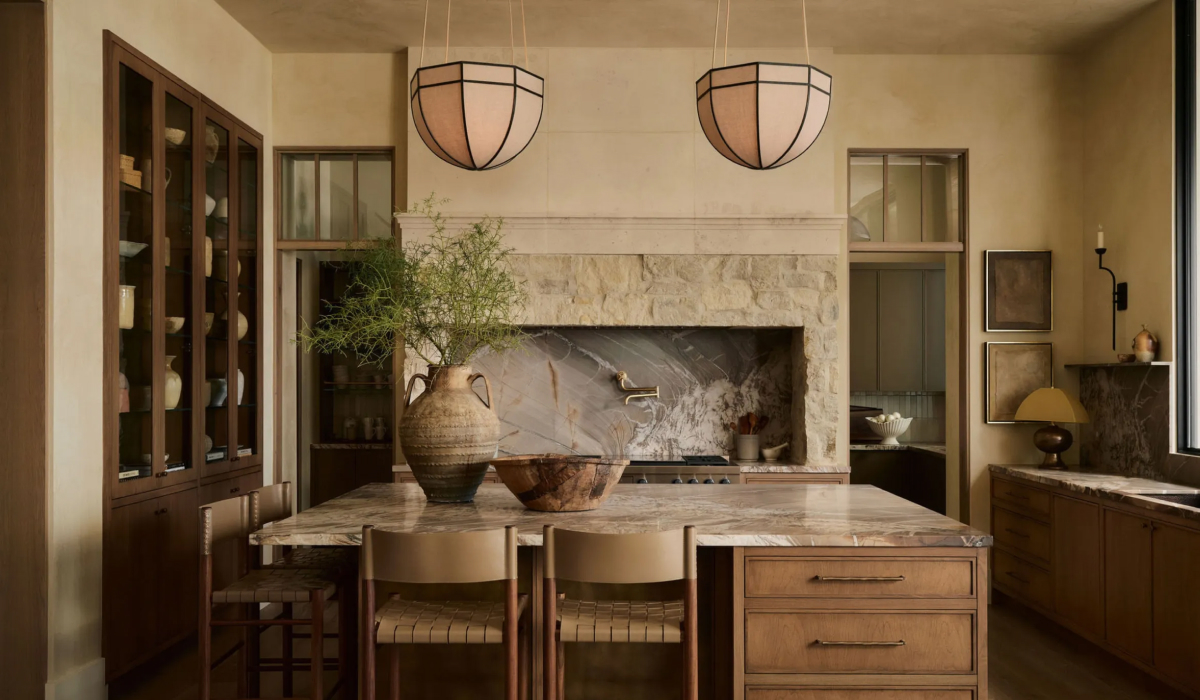
2. Wood Cabinets Are Making a Comeback
Natural wood is becoming a major part of today's kitchens.
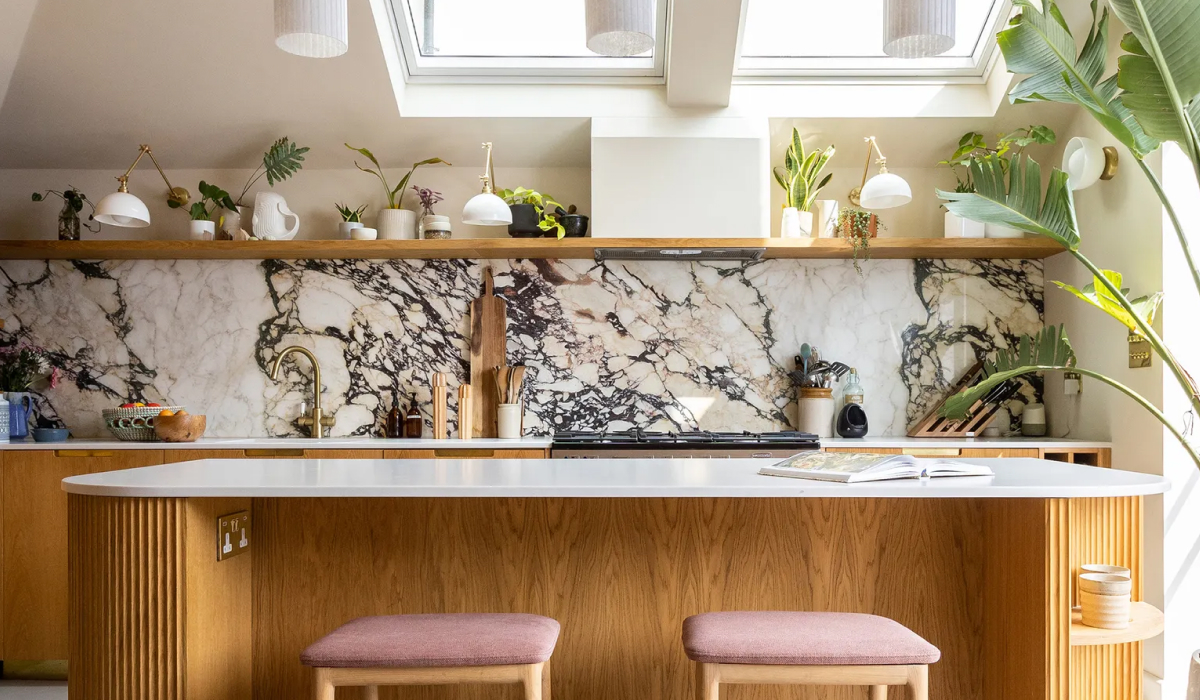
Rather than covering every cabinet in paint, homeowners are embracing the character and texture that wood brings to a space. Oak, walnut, maple, and other wood finishes can add warmth and contrast, especially when paired with stone countertops or painted cabinetry.
The trend does not necessarily mean going back to the dark, heavy wood kitchens of the past. Today's wood kitchens often feature lighter stains, natural grain, and cleaner cabinet profiles.
One popular approach is mixing wood with painted cabinets. For example, a kitchen might feature natural wood on the island while the perimeter cabinets use a neutral paint color.
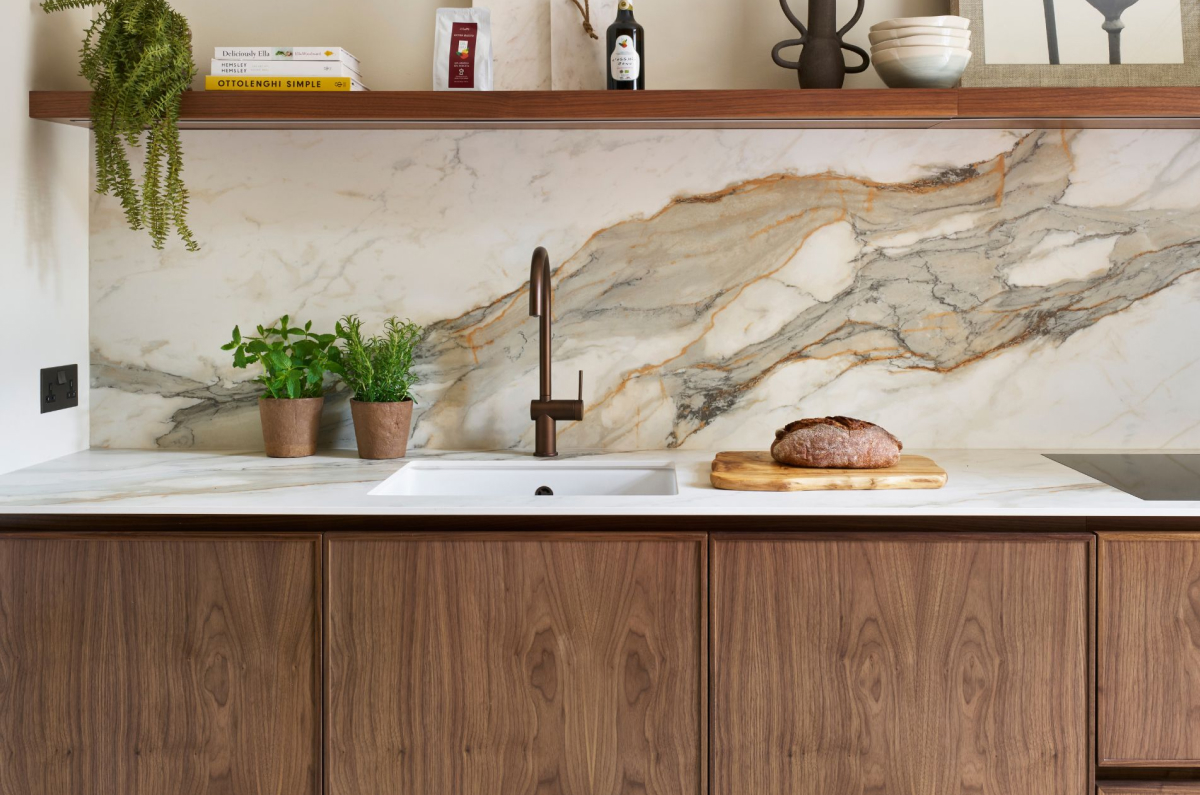
3. Color Is Coming Back to the Kitchen
White and gray may have dominated kitchen design for years, but color is becoming more intentional.
Deep greens, muted blues, warm browns, and other earthy shades are finding their way onto kitchen islands, lower cabinets, and accent areas.
Using color selectively can add personality without overwhelming the space.
For homeowners who aren't ready for an entire colorful kitchen, an island is an easy place to experiment. A contrasting cabinet color can create a focal point while keeping the rest of the kitchen relatively neutral.
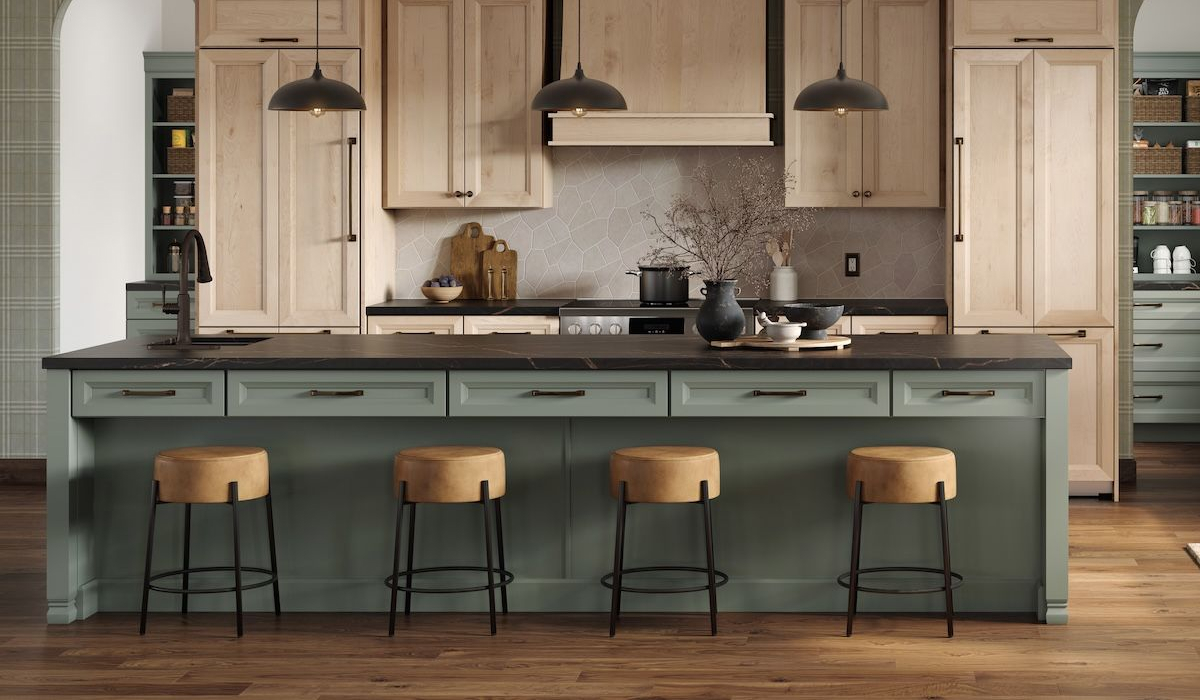
4. Mixed Materials and Finishes
The days of matching every kitchen element perfectly are giving way to more layered designs.
Homeowners are mixing materials, textures, and finishes to create kitchens that feel less uniform. A kitchen might combine painted cabinets, natural wood, stone countertops, metal hardware, and textured tile.
The goal is not necessarily to make every finish different. Instead, designers are using contrast intentionally.
This approach can also make a kitchen feel more connected to the rest of the home. Materials and colors can be carried from nearby rooms into the kitchen, creating a more cohesive overall design.
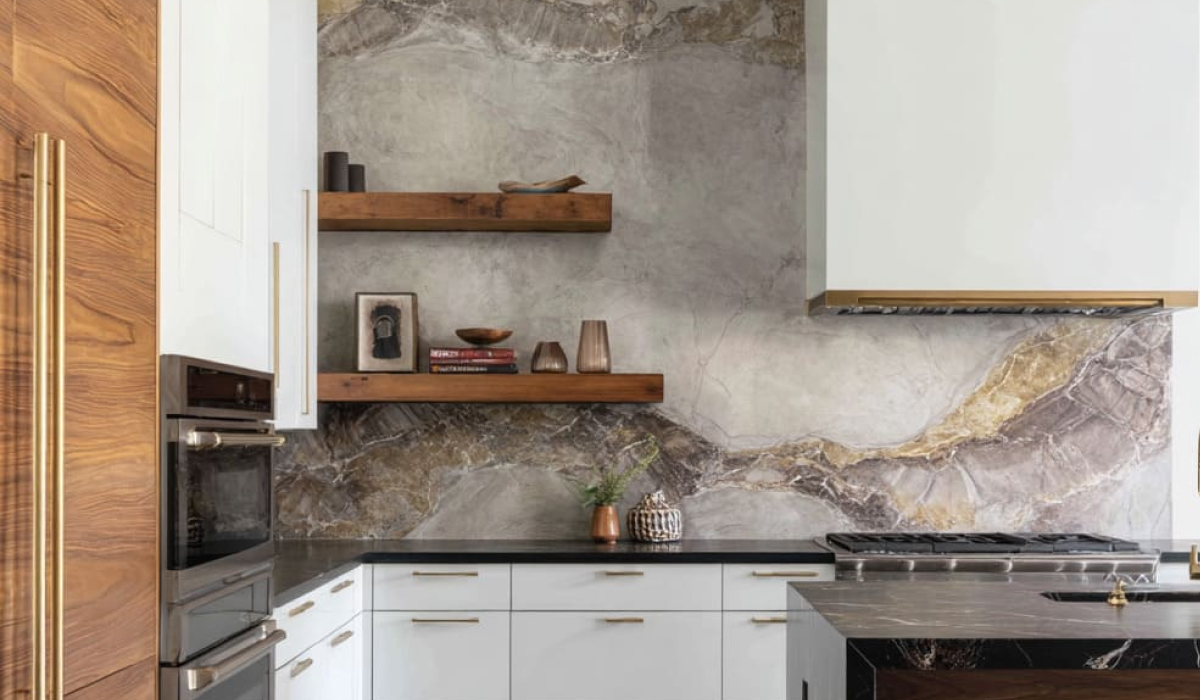
5. Statement Countertops and Backsplashes
With simpler cabinetry becoming more common, countertops and backsplashes have more room to stand out.
Natural stone and stone-look materials with pronounced veining can create a focal point, while larger-format backsplash materials can give kitchens a more seamless appearance.
Another growing design choice is carrying the same material from the countertop up the backsplash. This can create a clean, continuous look and put more emphasis on the material itself.
For homeowners, this is an opportunity to make a statement without committing to bold cabinetry.
6. More Concealed Storage
Kitchen design is also becoming more focused on reducing visual clutter.
Appliances, small kitchen tools, and everyday items can quickly take over countertops. In response, kitchens are incorporating more ways to keep these items organized and out of sight.
Appliance garages, built-in pantry storage, deep drawers, pull-out organizers, and dedicated coffee or beverage areas can help keep frequently used items accessible without leaving everything on display.
This trend is less about appearance alone and more about how the kitchen functions every day.
7. Kitchens Designed Around How People Actually Live
Today's kitchen is rarely used only for cooking.
It may also be a workspace, gathering area, homework station, entertaining space, or place for family members to spend time together.
As a result, kitchen layouts are becoming more intentional about everyday use.
Large islands can provide space for cooking, eating, and socializing. Pantry areas can make food storage easier to manage. Charging stations and integrated technology can support work and school needs.
The most successful kitchen design isn't necessarily the one with the most features. It's the one that makes the space easier to use.
8. A More Personalized Approach
Perhaps the biggest kitchen trend is personalization.
After years of highly recognizable "dream kitchen" aesthetics, homeowners are increasingly looking for spaces that reflect their own preferences and routines.
That might mean choosing a colorful island, incorporating vintage-inspired hardware, using open shelving for favorite pieces, or selecting a countertop with distinctive natural variation.
The result is a shift away from designing a kitchen simply because it is considered trendy and toward designing one that feels right for the people living there.
So, Are White Kitchens Out?
White kitchens aren't necessarily going away.
Their longevity comes from their versatility. White cabinetry can make a space feel bright, works with a wide range of materials, and can adapt as other design preferences change.
What is changing is the expectation that a kitchen needs to be entirely white to feel modern.
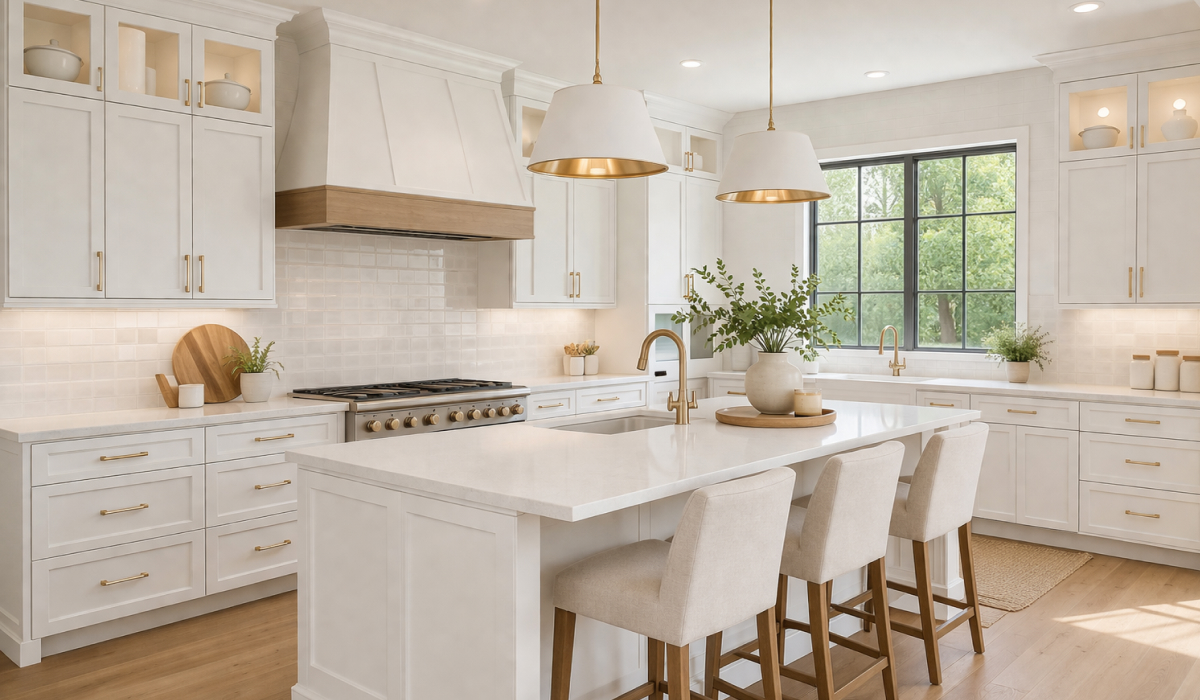
Today's kitchens are embracing warmth, texture, natural materials, color, and personality. Instead of one dominant aesthetic, homeowners have more options for creating a kitchen that fits the way they live.
For builders, that means understanding the broader design direction can be just as important as following any single trend. Buyers want homes that feel current, but they also want finishes and layouts that feel personal and functional.
The future of kitchen design may not be about choosing between white or color. It may be about creating a kitchen with the right balance of both.
Designing the Kitchen Is Only Part of the Job
Keeping up with kitchen trends is one thing. Managing everything behind the design is another.
Interior designers are often juggling floor plans, selections, product specifications, client approvals, photos, and project documents across multiple projects. Having all that information organized and easy to access can save valuable time and make collaboration easier.
See how an interior designer uses Digs to spend less time searching for project information and more time doing what they do best: designing. Read more here.
Digs is an AI-powered collaboration software built for homebuilders. From pre-con to aftercare, it keeps your team, trades, and clients aligned with one centralized workspace for decisions, documentation, digital handoff, and ongoing warranty support.
Unlock a happier home at Digs.com