Every home a builder completes generates information that can help the business run better. Plans, selections, material quantities, change orders, and warranty records all tell a story about how a project came together.
The challenge is putting that information to work. When details are scattered across files, emails, and disconnected systems, teams waste time searching for answers, decisions get delayed, and valuable project data goes unused.
Better project information supports builder profitability by helping teams reduce wasted time, catch mistakes earlier, control material costs, and make more informed decisions. It also gives builders a way to learn from completed projects and improve the next one.
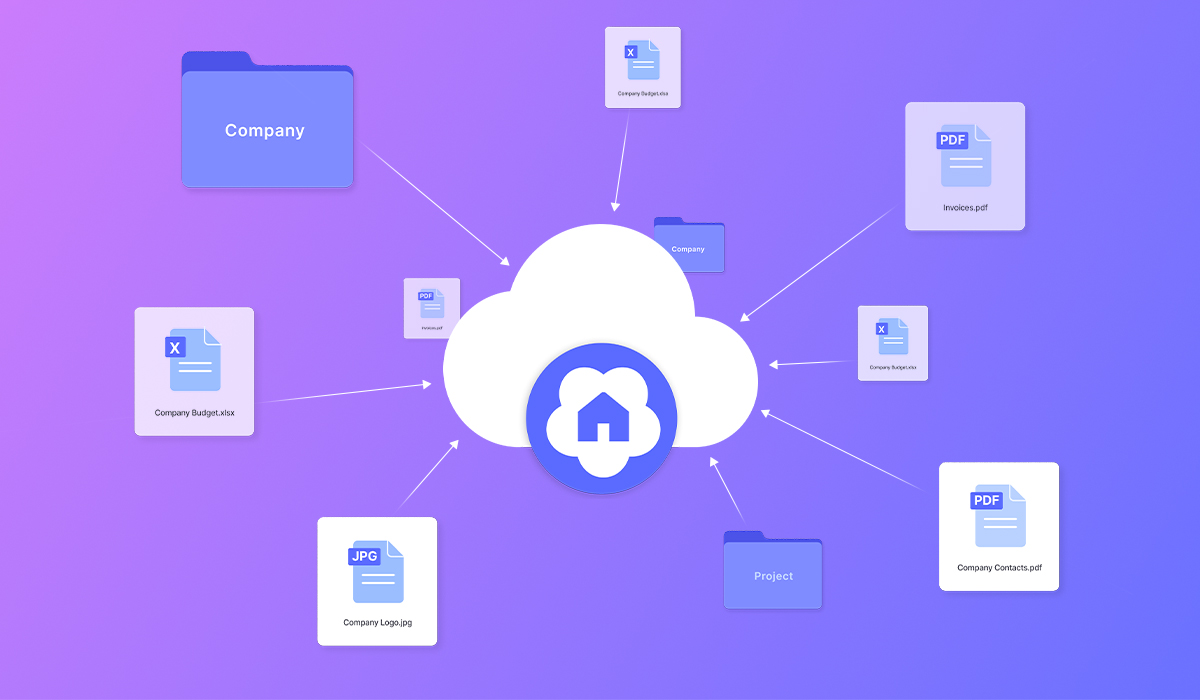
Here are six ways to get more value from the information your team already collects.
1. Spend Less Time Searching for Answers
A superintendent needs to confirm a specification. A project manager is looking for an approved selection. Someone on the office team is digging through old emails to find a decision.
These small tasks add up across multiple projects and team members.
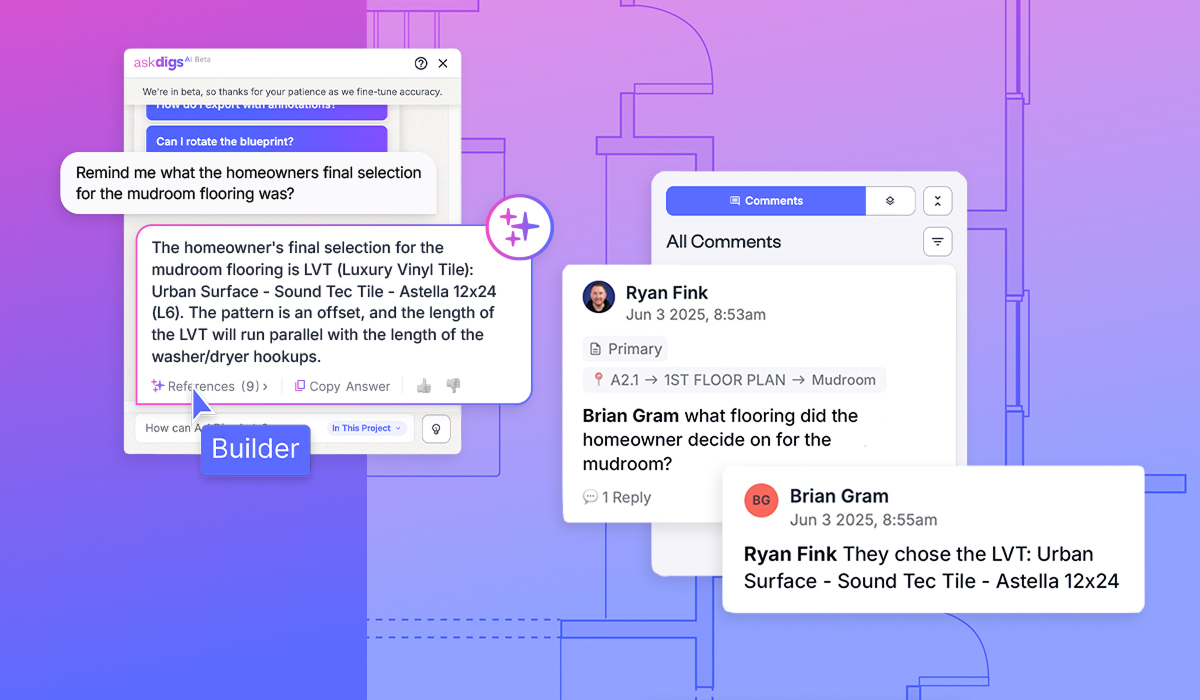
When plans, selections, and project details are organized in one accessible place, your team spends less time tracking down information and more time moving work forward.
That time matters. Fewer interruptions give project managers, superintendents, and office teams more room to focus on the work that keeps projects on schedule and budgets under control.
“Digs lets our super on site open the spec, zoom in, and confirm the exact finish. No guesswork, no callbacks, no installing the wrong door.” - Williams Contracting
2. Make Material Takeoffs More Efficient
Accurate material estimates are essential to managing project costs. But manual takeoffs can take hours, especially when estimators are working through detailed plans across multiple projects.
AI-powered takeoff tools help builders extract material quantities from plans faster. Instead of spending as much time measuring and counting, estimators can focus on reviewing quantities, checking assumptions, and making sure estimates reflect the actual scope of work.
This is where tools like DigsCanvas and AI Takeoffs can help. Builders can use AI to speed up the process of identifying quantities for materials such as flooring, cabinets, countertops, and other surfaces.
The goal isn't simply to finish takeoffs faster. It's to give your team more time to review costs, make informed purchasing decisions, and protect project margins.
3. Keep Projects Moving With Better Communication
Construction schedules depend on people having the right information when they need it. When a trade is waiting on a specification, a superintendent needs clarification, or a selection hasn't been confirmed, work can slow down.
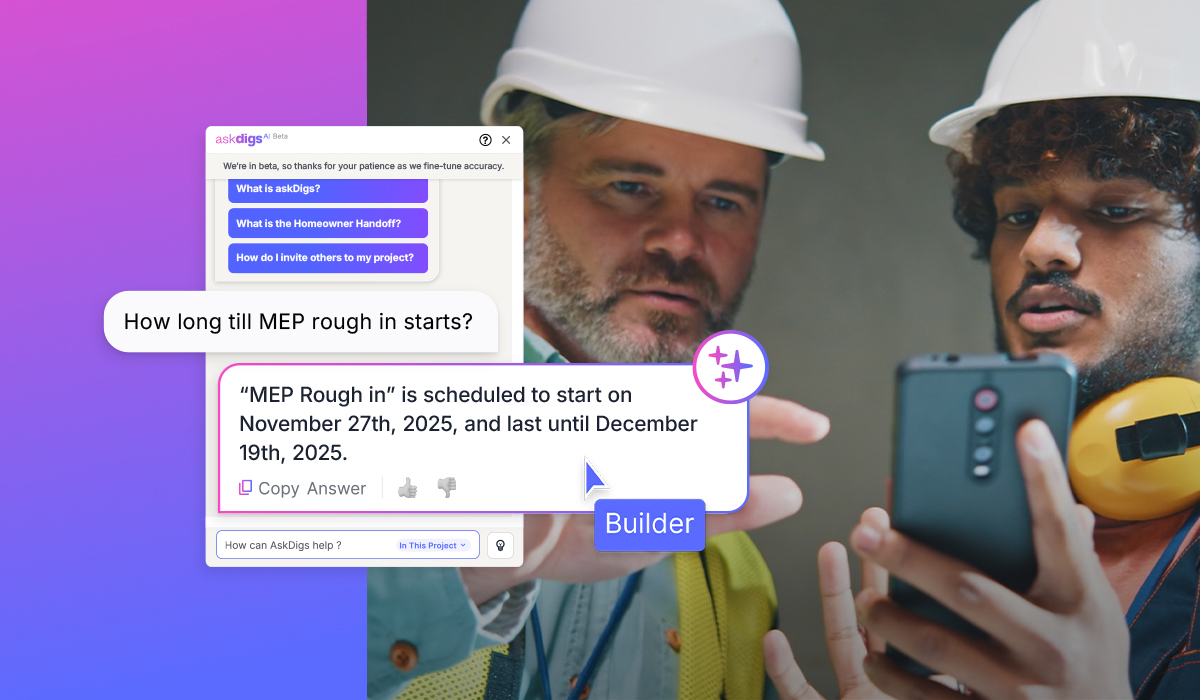
Making project details easy to access helps teams resolve questions sooner and avoid unnecessary back-and-forth. Trades can reference current plans and specifications, while project managers can keep decisions and approvals connected to the work.
Better information won't eliminate every scheduling challenge. But it can remove some of the friction that keeps teams from making progress.
When people aren't waiting on answers or working from outdated information, it's easier to keep projects moving and avoid delays that affect labor, materials, and budgets.
4. Catch Costly Mistakes Earlier
An outdated plan, missed selection, or overlooked change can lead to incorrect orders, additional labor, or work that needs to be redone.
Keeping project information current and accessible helps teams confirm details before work begins. It also makes it easier to trace decisions back to the plans, specifications, and approvals behind them.
For example, when a selection changes, the updated information needs to reach everyone affected by that decision. If a trade is still working from an older specification, the result could be an incorrect installation, wasted materials, or an expensive correction.
No process eliminates every mistake. But catching an issue before materials are ordered or work is installed is usually less costly than fixing it later.
5. Get More From Every Completed Project
Every completed home contains lessons that can help inform the next one.
Material quantities, selections, change orders, and warranty requests can reveal patterns across projects. Which materials create recurring challenges? Which decisions lead to additional work? Where do estimates differ from actual quantities?
When that information stays accessible, builders have a better opportunity to identify trends and apply what they've learned to future projects.
For example, reviewing material quantities across similar builds can help estimators refine future takeoffs. Looking at recurring change orders may reveal opportunities to improve the selections process or clarify specifications earlier.
Over time, each completed home becomes a useful source of information for improving future projects.
6. Reduce Warranty Friction and Improve the Homeowner Experience
A builder's work doesn't necessarily end at closing. Homeowner questions and warranty requests can continue for years.
When product details, original selections, and project history are difficult to find, warranty teams may need to track down the original project team, make additional calls, or schedule site visits just to understand an issue.
Connected digital home records give builders and homeowners a better starting point. Product information, specifications, selections, and project history can remain accessible long after construction wraps up.
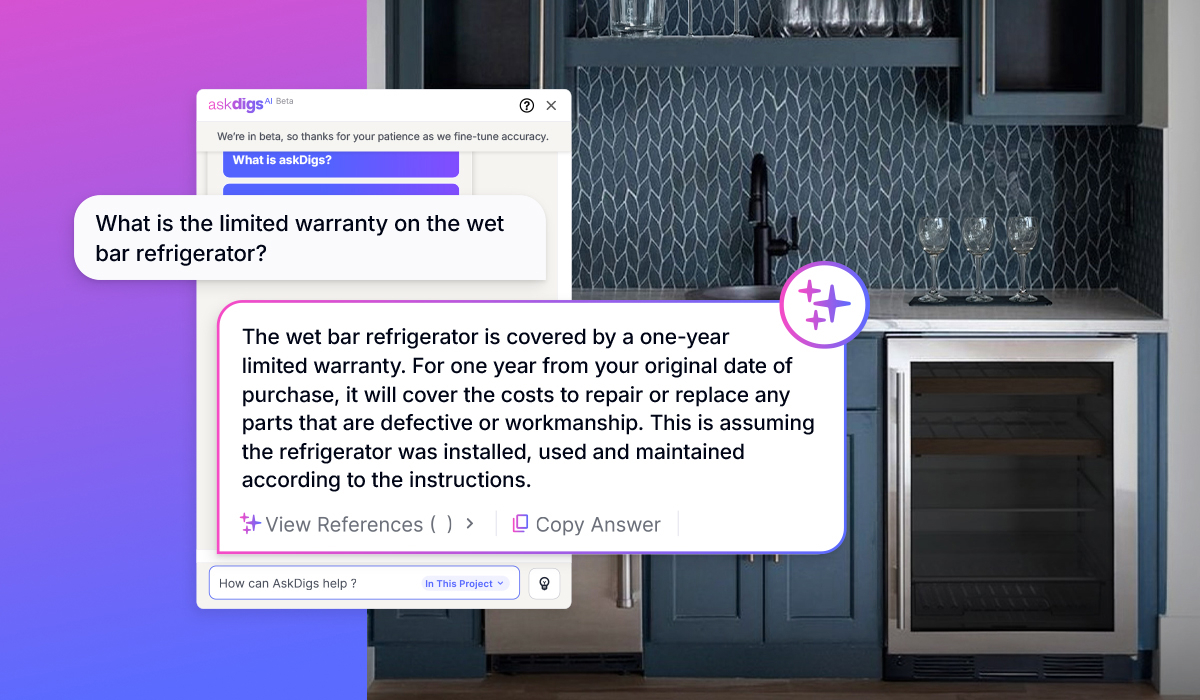
This information can also support AI-powered assistance. With tools like AskDigs, homeowners and builder teams can get answers based on information specific to that home instead of searching through paper binders or old project files.
For builders, this creates two benefits: less time spent tracking down project details and a more informed homeowner experience after closing.
A better digital handoff also gives homeowners a useful resource for understanding their home, maintaining products, and submitting warranty requests.
How Better Project Information Supports Long-Term Builder Profitability
Builders already generate the information needed to understand each home in detail. The opportunity is to make that information useful beyond the individual task or project it came from.
When project data stays connected from preconstruction through warranty and aftercare, teams can use it to make better decisions today and learn from completed projects tomorrow.
AI makes this even more valuable. But AI is only as useful as the information it can access. Connected, reliable project data gives builders a stronger foundation for putting it to work.
At Digs, we're building AI-powered tools specifically for homebuilders. From AI-powered takeoffs and AskDigs to digital home records and warranty support, Digs helps builders put project information to work throughout the life of a home.
The homes you build generate valuable data. The opportunity is making that data work for your business.
Frequently Asked Questions
How does project information affect builder profitability?
Project information affects profitability by influencing how efficiently teams work, how accurately materials are estimated, and how quickly issues are resolved. Accessible, reliable information can help reduce wasted time, prevent avoidable rework, and support better cost decisions.
What types of project information should home builders track?
Home builders should maintain organized records of:
- Construction plans and revisions
- Specifications and product selections
- Material quantities and takeoffs
- Change orders and approvals
- Trade communications and project updates
- Warranty documentation and homeowner requests
Keeping these details connected makes them easier to reference during construction and after closing.
How can AI help home builders improve profitability?
AI can help builders automate time-consuming tasks such as extracting material quantities from plans and finding answers in project documentation. These tools give teams more time to review information, make decisions, and focus on work that directly affects project costs and efficiency.
Why should builders keep project records after closing?
Project records remain valuable after construction because they help builders answer homeowner questions, review warranty requests, and understand the history of a home. They can also provide useful information for future projects, including recurring material issues and opportunities to improve processes.
What is a digital home record?
A digital home record is a centralized collection of information about a home, including plans, specifications, selections, product details, and warranty history. It gives builders and homeowners an accessible reference throughout construction, handoff, and ongoing homeownership.
Digs is an AI-powered collaboration software built for homebuilders. From pre-con to aftercare, it keeps your team, trades, and clients aligned with one centralized workspace for decisions, documentation, digital handoff, and ongoing warranty support.
Unlock a happier home at Digs.com