Ask almost any home builder what they want to improve, and better project visibility will likely make the list.
It sounds simple. Give everyone more updates, reports, and access to project information, and the job should run more smoothly.
But more information does not always mean better visibility.
Even with more software, communication channels, and project data than ever before, builders still deal with missed details, conflicting directions, delayed decisions, and costly rework.
The problem is not a lack of information. It is how that information is organized, shared, and used.
True project visibility means giving everyone involved in a home build access to the same current information, the context behind decisions, and a clear understanding of what needs to happen next.
Here are six common project visibility mistakes home builders make and how to fix them.
1. Thinking More Information Means Better Control
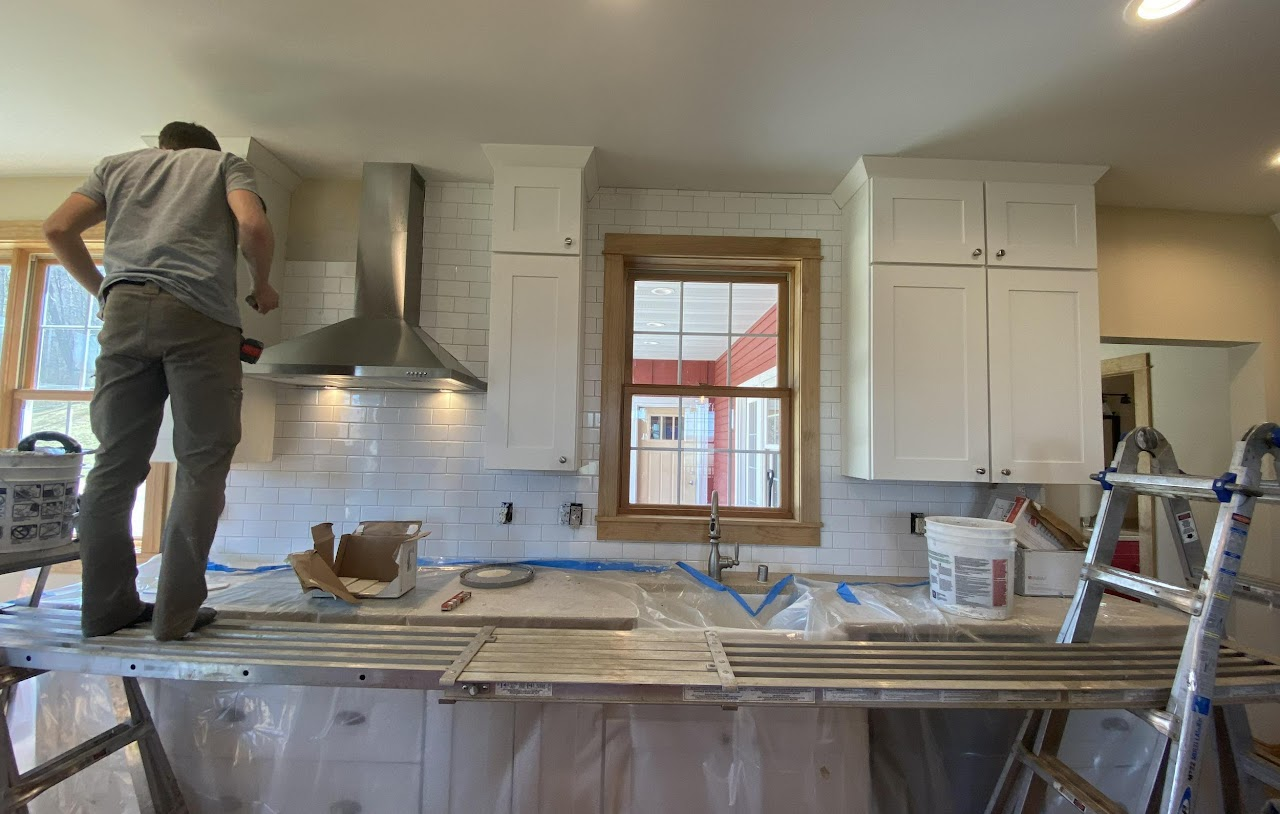
It is easy to assume that seeing everything means managing everything.
More photos.
More daily logs.
More emails.
More notifications.
But more information can quickly become more noise.
When teams are overwhelmed with updates, it becomes harder to identify what actually needs attention. Important changes can get buried alongside routine project activity.
How to improve project visibility
Focus on surfacing the information that drives action.
Instead of overwhelming teams with every update, prioritize:
- Design changes
- Schedule impacts
- Open decisions
- Outstanding approvals
- Field issues that require immediate attention
Good project visibility should help teams make decisions faster, not create more information to sort through.
2. Confusing Access With Alignment
Many builders assume that if everyone has access to the same plans and documents, everyone is aligned.
In reality, that is rarely the case.
Project managers, superintendents, office staff, trade partners, and homeowners can all look at the same document while understanding it differently.
Simply sharing files does not create shared understanding.
How to improve builder collaboration
Provide context alongside project updates.
When something changes, teams should be able to understand:
- What changed
- Why it changed
- Who approved it
- Who is affected
- What needs to happen next
Alignment comes from shared understanding, not simply shared access to files.
3. Adding More Software Instead of Improving Information Flow
When communication breaks down, many builders respond by adding another tool.
One platform manages schedules.
Another stores plans.
Another tracks RFIs.
Another handles messaging.
Another stores photos.
Each tool may solve a specific problem, but the result can be fragmented project information.
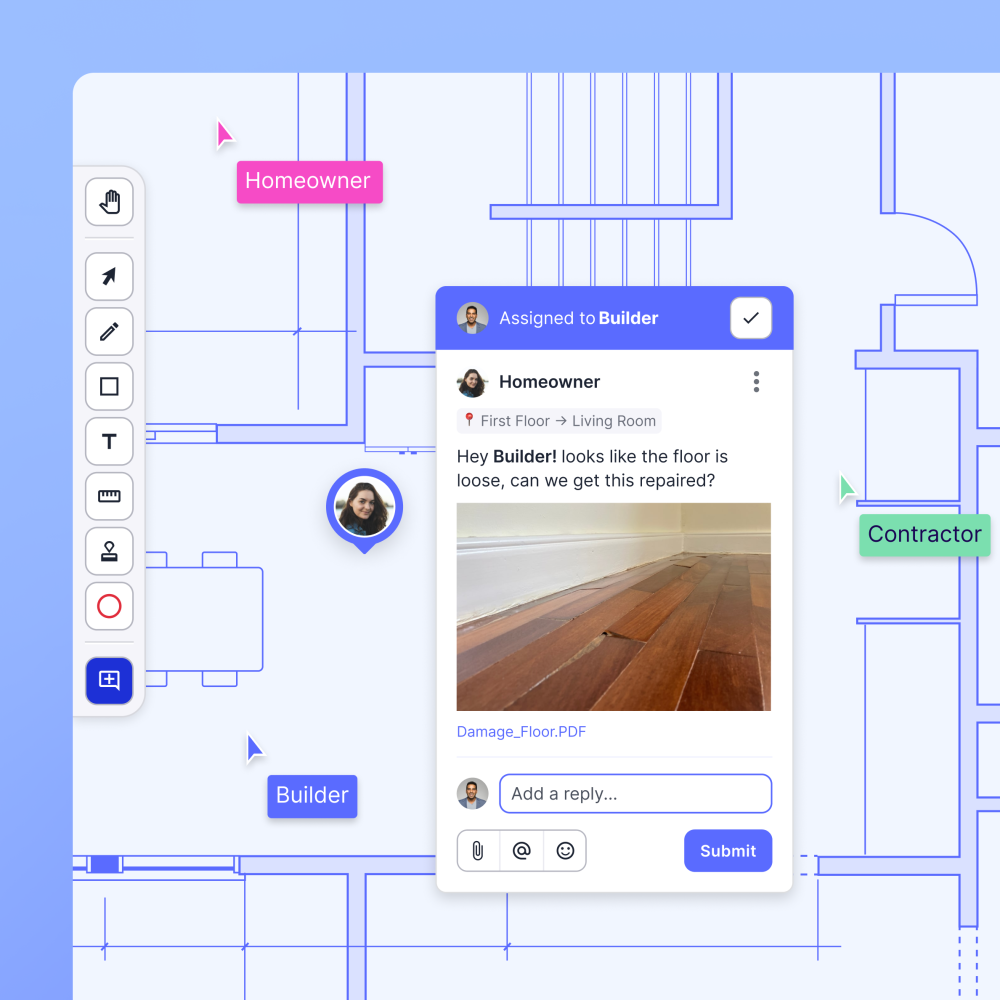
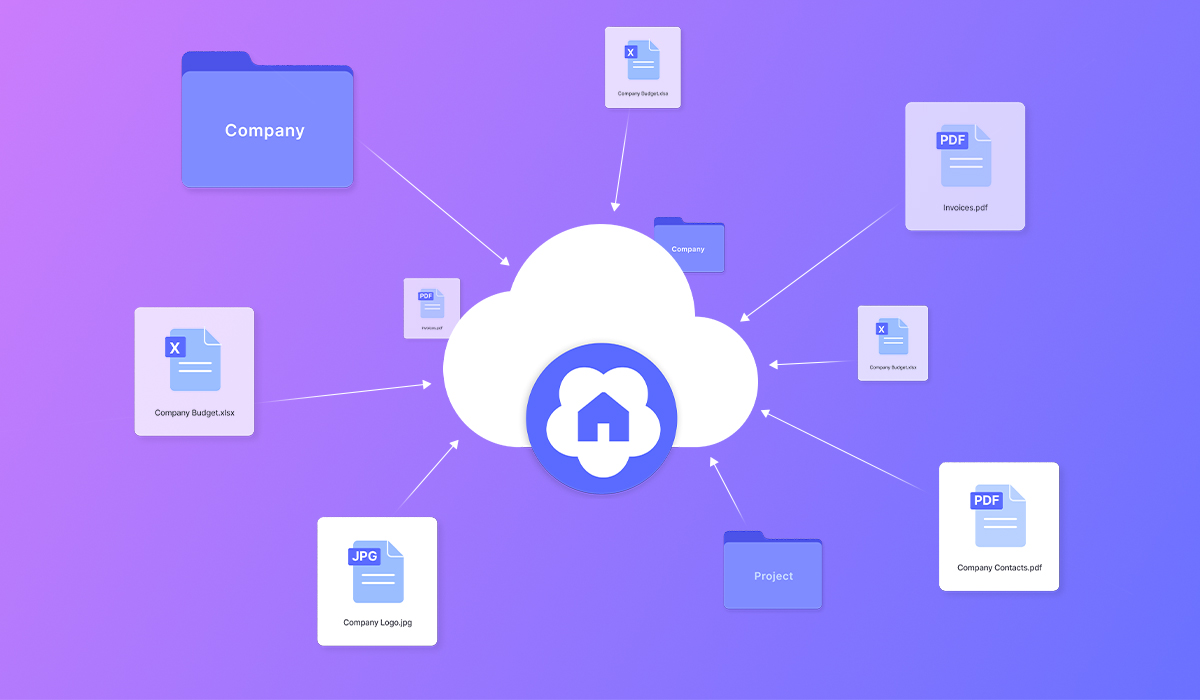
Instead of having one source of truth, teams spend valuable time piecing together project history across multiple systems.
How to improve construction information management
Reduce fragmentation by bringing important project information together.
When drawings, conversations, approvals, documents, and decisions are connected, teams spend less time searching for information and more time moving projects forward.
Instead of asking, "Where was that discussed?" teams know where to look.
4. Measuring Visibility in the Office Instead of the Field
Office dashboards can provide valuable insights.
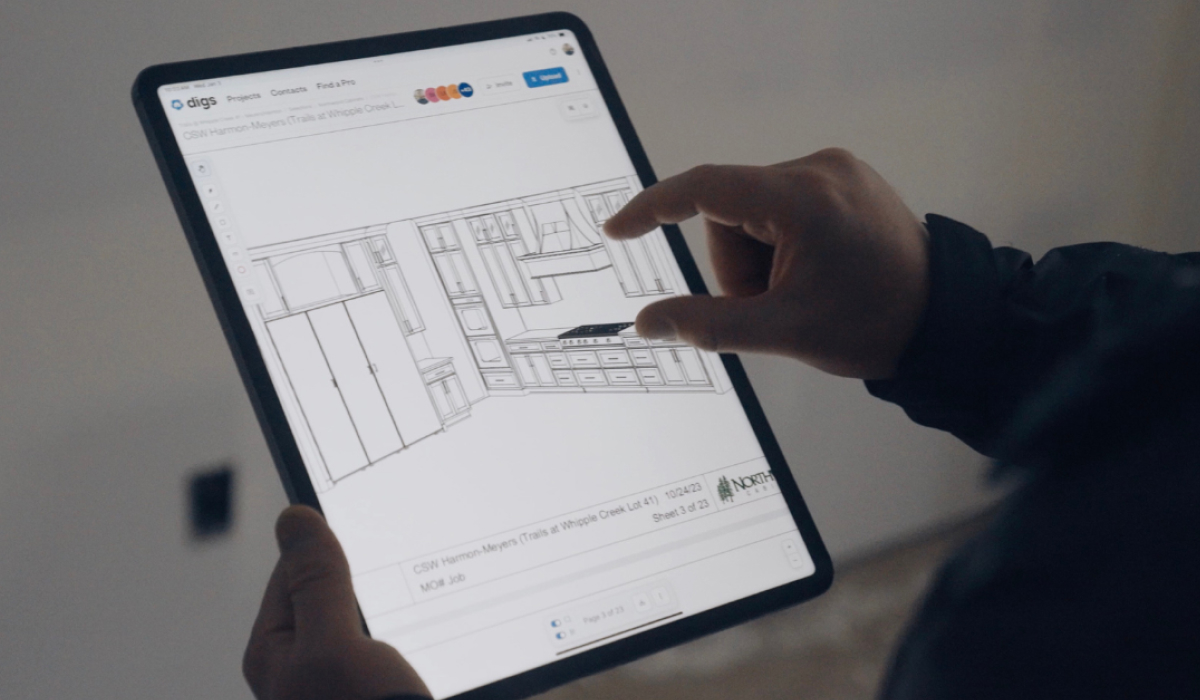
But construction does not happen in conference rooms. It happens on the jobsite.
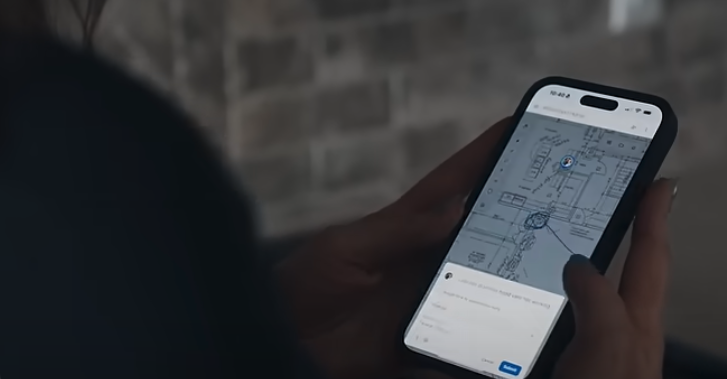
A detailed dashboard means little if field teams are working from outdated plans or missing recent changes.
For home builders, project visibility needs to extend from the office to the field.
How to improve field visibility
Give field teams easy access to current project information, including:
- Current drawings
- Updated specifications
- Markups and annotations
- Design revisions
- Project conversations
- Relevant approvals and decisions
The people doing the work need the same access to accurate information as the people managing it.
5. Treating Project Visibility Like Reporting
Many builders think weekly reports equal project visibility.
Reports are useful, but they primarily tell teams what has already happened.
By the time a report is created, reviewed, and shared, the project may have already moved forward.
Effective project visibility should do more than document the past. It should help teams respond to what is happening now.
How to improve real-time project collaboration
Shift from reporting to ongoing collaboration.
Better project visibility can help teams:
- Identify issues sooner
- Resolve questions faster
- Coordinate changes immediately
- Keep teams aligned as projects change
- Address potential delays before they become larger problems
The goal is not simply to know what happened. It is to give teams the context they need to make the next decision.
6. Underestimating the Importance of Shared Context
Construction projects involve thousands of decisions.
Unfortunately, the reasoning behind those decisions can easily get lost.
A plan revision appears.
A detail changes.
A material gets substituted.
Weeks later, nobody remembers why.
Teams then spend time retracing conversations, confirming approvals, and asking the same questions again.
How to improve project documentation
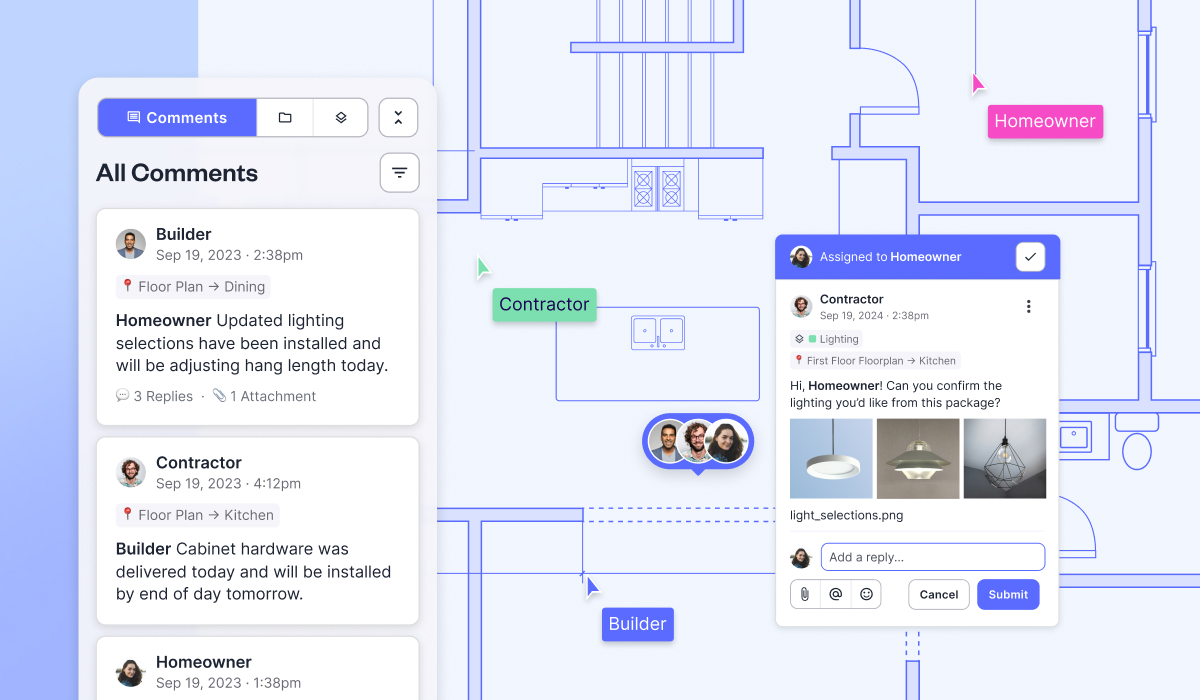
Capture the context behind important project decisions.
Instead of documenting only what changed, preserve:
- Why the change happened
- Who requested it
- Who approved it
- When it was made
- Which teams or trades need to know
This shared context reduces guesswork and helps prevent the same questions and mistakes from coming up again.
What Does Good Project Visibility Look Like?
Project visibility is not about collecting more data.
It is about making accurate, relevant information available to the right people at the right time.
For home builders, that means creating a shared source of truth across the office, field, trade partners, and homeowner.
When teams have better visibility into project information and decisions, they can spend less time searching for answers and more time moving projects forward.
Better project visibility can lead to:
- Fewer communication breakdowns
- Faster decision-making
- Less rework
- Better collaboration between office and field teams
- Greater accountability
- A better homeowner experience
As residential construction becomes more complex, project visibility is becoming an increasingly important part of effective construction project management.
How Digs Helps Home Builders Improve Project Visibility
Digs gives home builders a centralized workspace where plans, documents, conversations, decisions, and homeowner information can live together.
Instead of chasing updates across disconnected systems, project managers, superintendents, trade partners, and homeowners can work from the same source of truth.
With project information connected throughout the build, builders can improve communication, make decisions faster, reduce costly mistakes, and create a more connected homeowner experience from pre-construction through warranty and aftercare.
Frequently Asked Questions
What is project visibility in construction?
Project visibility is the ability for everyone involved in a construction project to access accurate, up-to-date information about plans, documents, decisions, schedules, and project progress. Good project visibility helps reduce miscommunication, improve collaboration, and keep teams aligned.
Why is project visibility important for home builders?
Project visibility helps home builders keep office and field teams aligned, reduce communication gaps, make decisions faster, and minimize costly rework. It can also improve the homeowner experience by making important project information easier to access and understand.
How can home builders improve project visibility?
Home builders can improve project visibility by centralizing project information, reducing disconnected software, giving field teams access to current documents, capturing the context behind decisions, and creating better communication between the office, field, trades, and homeowners.
What causes poor project visibility in construction?
Poor project visibility is often caused by fragmented software, outdated plans, disconnected communication, inconsistent document management, and missing context around project decisions. When information is spread across multiple systems, teams can struggle to find the most current and relevant information.
What is the difference between project visibility and project reporting?
Project reporting typically summarizes what has already happened on a project. Project visibility provides ongoing access to current information, changes, decisions, and context so teams can take action while the project is still moving forward.
How does technology improve project visibility for home builders?
Construction technology can improve project visibility by connecting project information, reducing manual communication, making current documents easier to access, and giving teams a centralized place to find project history and decisions.
Digs is an AI-powered collaboration software built for homebuilders. From pre-con to aftercare, it keeps your team, trades, and clients aligned with one centralized workspace for decisions, documentation, digital handoff, and ongoing warranty support.
Unlock a happier home at Digs.com