Construction mistakes are expensive. Not just in dollars, but in time, trust, and team morale. A wrong door installed, a missed spec, or a misread plan can ripple across an entire project, leading to delays, rework, and strained client relationships.
What is changing is not the complexity of building. It is how teams manage that complexity. Artificial intelligence is beginning to play a quiet but critical role, helping builders catch issues before they ever reach the jobsite.
The Real Problem Isn’t Skill. It’s Clarity.
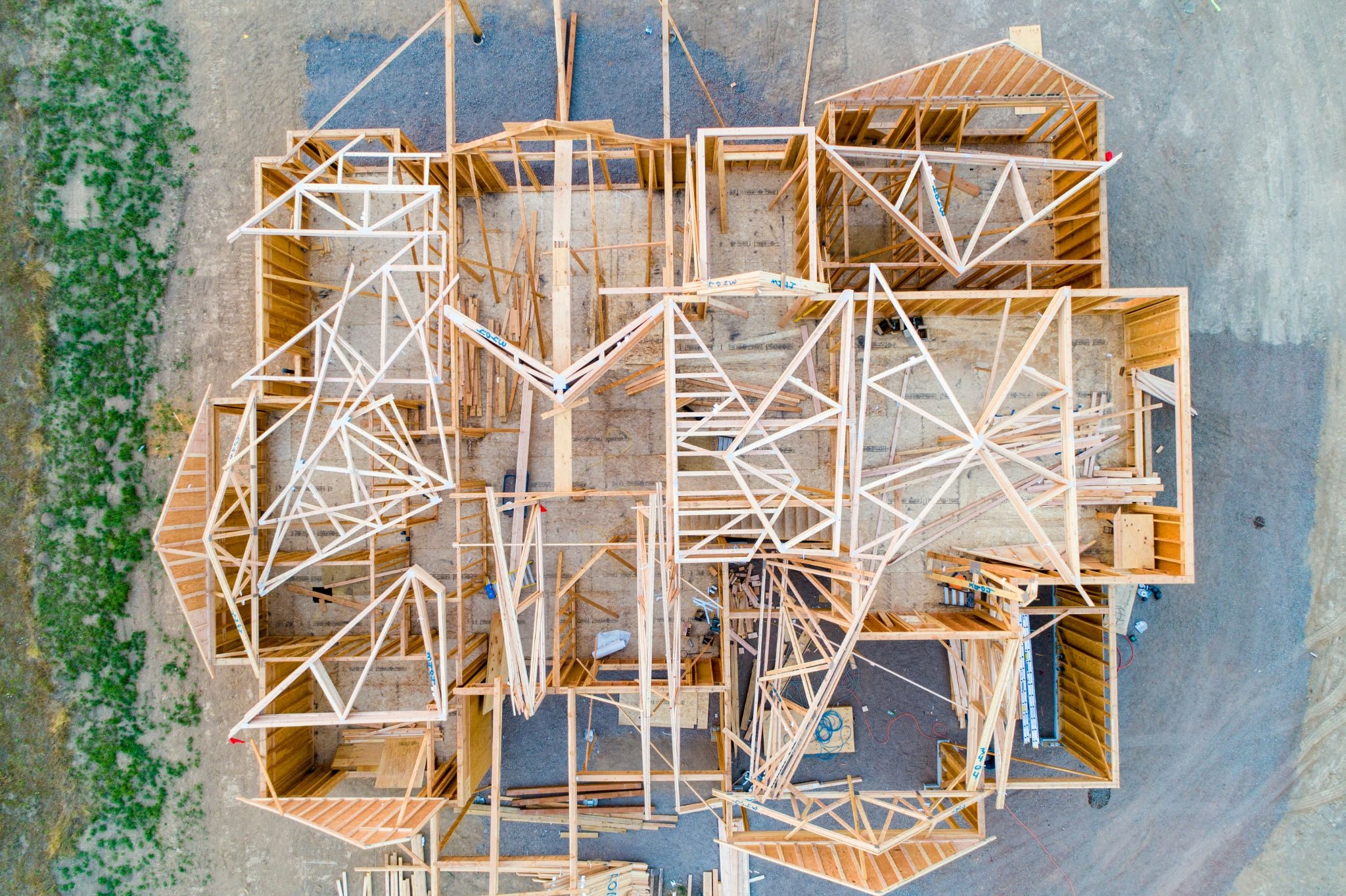
Most construction mistakes do not happen because teams lack experience. They happen because information gets lost, misinterpreted, or overlooked.
Plans are still largely two-dimensional. Specs live in separate systems. Communication is spread across emails, texts, and calls. Even when everything is technically documented, it is not always accessible or clear in the moment it is needed.
As one builder from Williams Contracting put it:
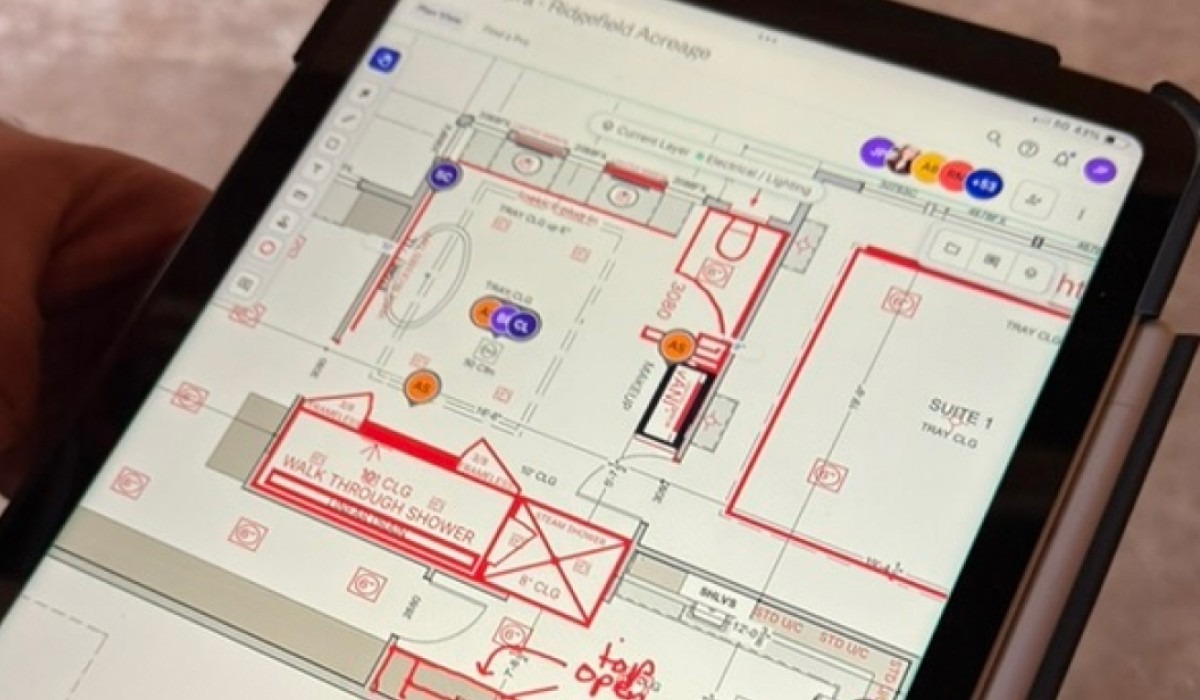
“With Digs my team and I are both looking at the same plan. You can draw on it, leave comments, mark it up in real time. Communication has improved 100%.”
AI’s role starts here. Not by replacing builders, but by connecting information and making it usable in real time.
From Static Plans to Living Intelligence
Traditional plans are static. Once printed or shared, they do not adapt. AI changes that by turning plans and specs into dynamic, searchable, and visual systems.
Instead of flipping through pages or chasing down clarifications, teams can instantly access the exact detail they need. Whether it is a finish, a dimension, or an installation requirement, the information is surfaced in context.
“Digs lets our super on site open the spec, zoom in, and confirm the exact finish. No guesswork, no callbacks, no installing the wrong door.”

This shift matters because most mistakes happen in the field, when decisions are made quickly and often under pressure. AI ensures those decisions are backed by the right information, at the right time.
Catching Problems Before They Exist
One of the most valuable roles AI plays is in pre-construction. By analyzing plans, specs, and selections together, it can identify inconsistencies, missing details, or potential conflicts before work begins.
For builders like Moser Homes, this has a direct impact:
4 to 7 mistakes or missing items caught per home before construction starts, preventing costly rework.
That is not a marginal improvement. That is the difference between a smooth build and a project filled with avoidable issues.
Instead of reacting to problems, teams can resolve them early, when changes are still easy and inexpensive.
A Single Source of Truth on the Jobsite
Even the best plans fail if they are not followed consistently. One of the biggest challenges in construction is ensuring that everyone, from project managers to subcontractors, is working from the same, up-to-date information.
AI helps create a true single source of truth by centralizing and continuously updating project data.
“Even if the paperwork is right, mistakes still happen. With Digs, you have a visual reference — does this door look like the spec? Yes or no.” - Williams Contracting
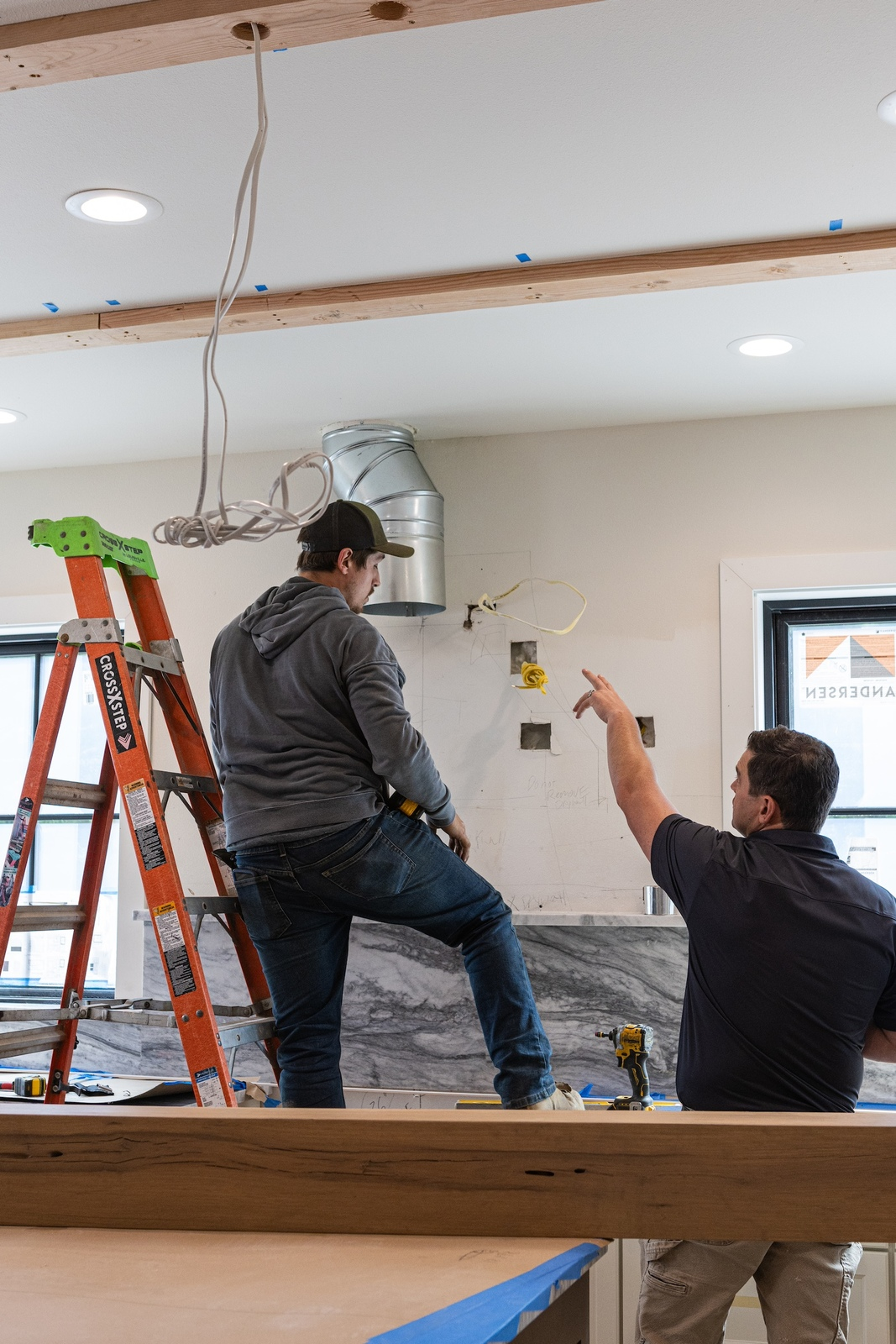
This is where visual intelligence becomes especially powerful. Instead of relying on interpretation, teams can validate decisions instantly.
It also removes ambiguity, which is often the root cause of errors.
Bridging the Gap Between Office and Field
The disconnect between office and field teams has long been a source of mistakes. Information is created in one place and executed in another, often with gaps in between.
AI helps close that gap by making information accessible wherever work is happening.
“It gives the field team confidence. They’re not wondering what’s supposed to go in — they can see it, right there, on their phone.” - Williams Contracting
This confidence translates directly into fewer errors. When teams are certain about what they are building, they build it right the first time.
Builders like Rogue Builders are taking this even further by embedding access directly into the jobsite:
“Being able to place QR codes at job sites will help ensure our subcontractors always have the latest plans and details right at their fingertips—no excuses.” – Derek Connelly
The Business Impact of Fewer Mistakes
Reducing mistakes is not just about efficiency. It is about protecting margins and improving the client experience.
Rework eats into profits. Delays impact schedules. Errors erode trust. Preventing mistakes upstream has a compounding effect across the entire project lifecycle.

AI enables this by shifting construction from reactive to proactive. Instead of fixing problems after they occur, teams can avoid them altogether.
What This Means for Builders
AI in construction is not about futuristic robots or fully automated job sites. It is about better decisions, made earlier, with better information.
The builders who adopt these tools are not replacing their expertise. They are amplifying it.
They are building with more clarity, more confidence, and fewer surprises.
And in an industry where margins are tight and expectations are high, that advantage is hard to ignore.