A plumbing change gets approved over text. The updated plans are saved in someone's inbox. A trade partner arrives on-site with an older version of the specifications. Now your team is spending time tracking down information instead of moving the build forward.
Home building project communication directly affects how efficiently your team works. When decisions, documents, and updates live in different places, important details can slip through the cracks. The result is confusion, avoidable rework, and frustrated clients.
In Best Practices for Home-Building Project Communication, Fine Homebuilding highlights the value of documentation, regular communication, and clear coordination with clients and trade partners.
Here are three ways to put those practices to work on your projects, along with how Digs can help your team keep information organized and accessible.
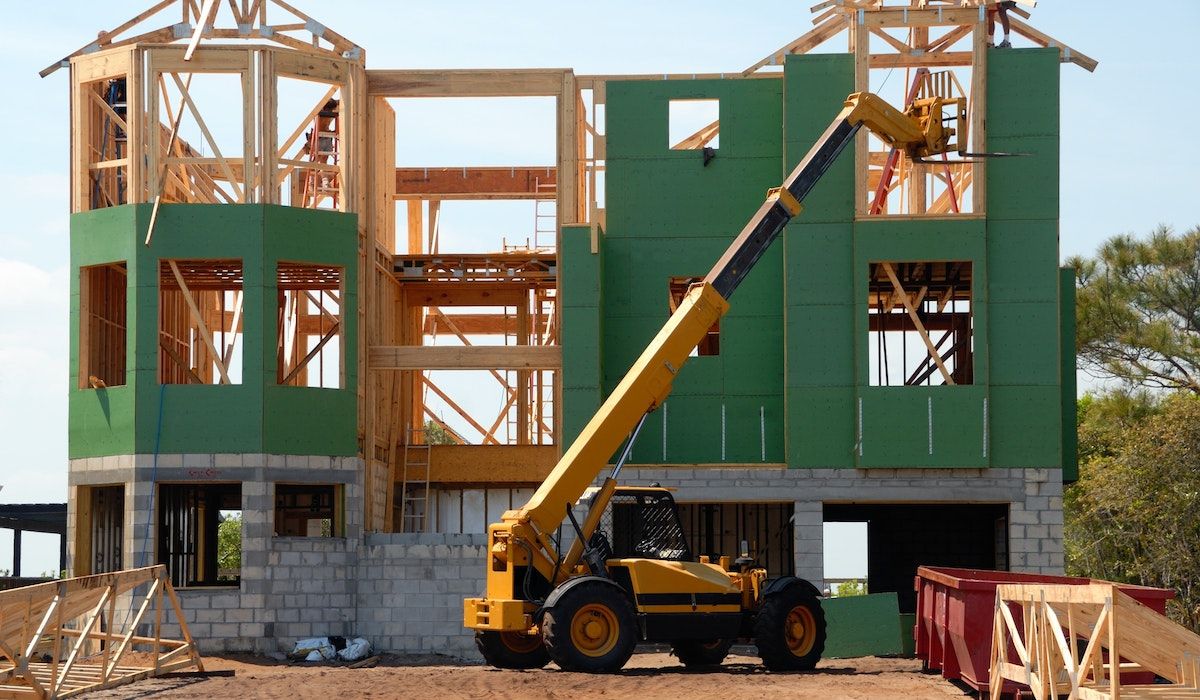
1. Document and Review Project Information
Good documentation gives everyone a reliable record of what was discussed, approved, and expected. For home builders, that means keeping current plans, specifications, selections, meeting notes, and change orders organized in a place your team can easily access.
A scattered paper trail makes it harder to confirm decisions. A centralized project record makes it easier to find the right information before a small misunderstanding becomes a costly problem.
Keep plans, selections, and decisions connected
Think about a homeowner who changes their kitchen backsplash after the original selection has been approved. Your team needs to know which material was selected, whether the change affects the schedule, and which version of the documents reflects the final decision.
If that information is buried in an email thread, your project manager may have to piece together the history. If the updated selection, supporting documents, and relevant notes are organized together, the team has a clearer record to work from.
A few habits can make a difference:
- Record decisions: Document approvals, change requests, and outstanding questions so your team has a clear reference.
- Keep documents current: Make sure trades and internal teams can identify the latest plans, specifications, and selections.
- Review open items regularly: Use project meetings to confirm unresolved decisions, upcoming deadlines, and who owns each next step.
- Capture jobsite context: Save photos, notes, and markups alongside the information they relate to.
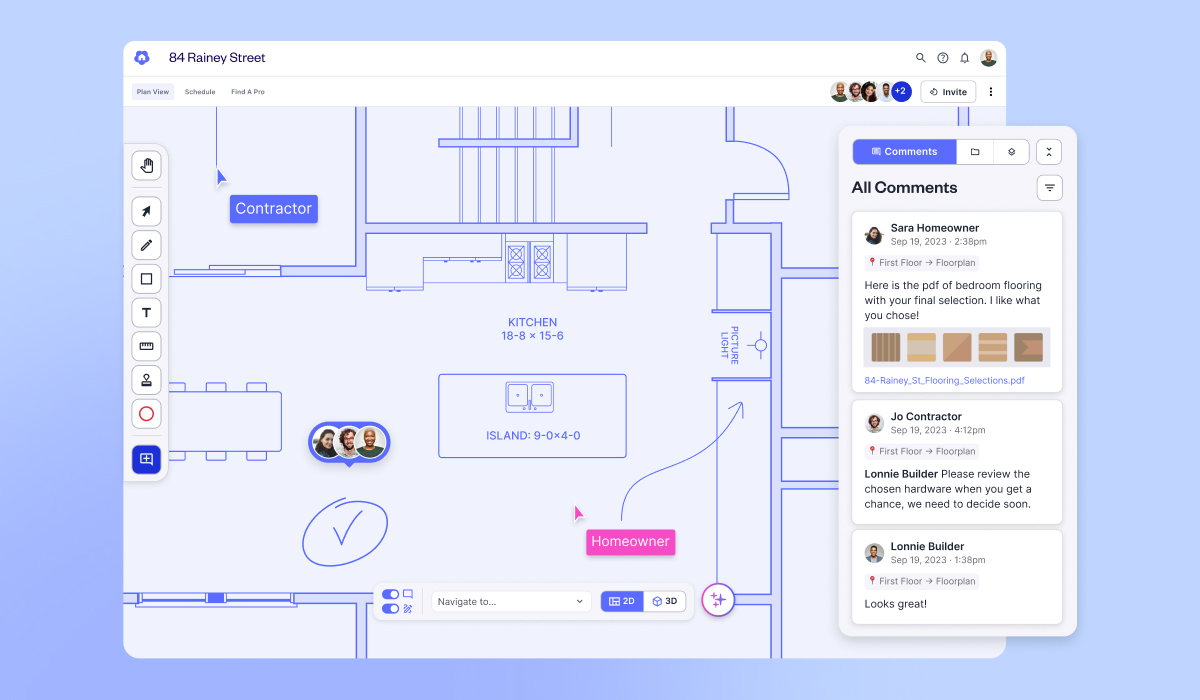
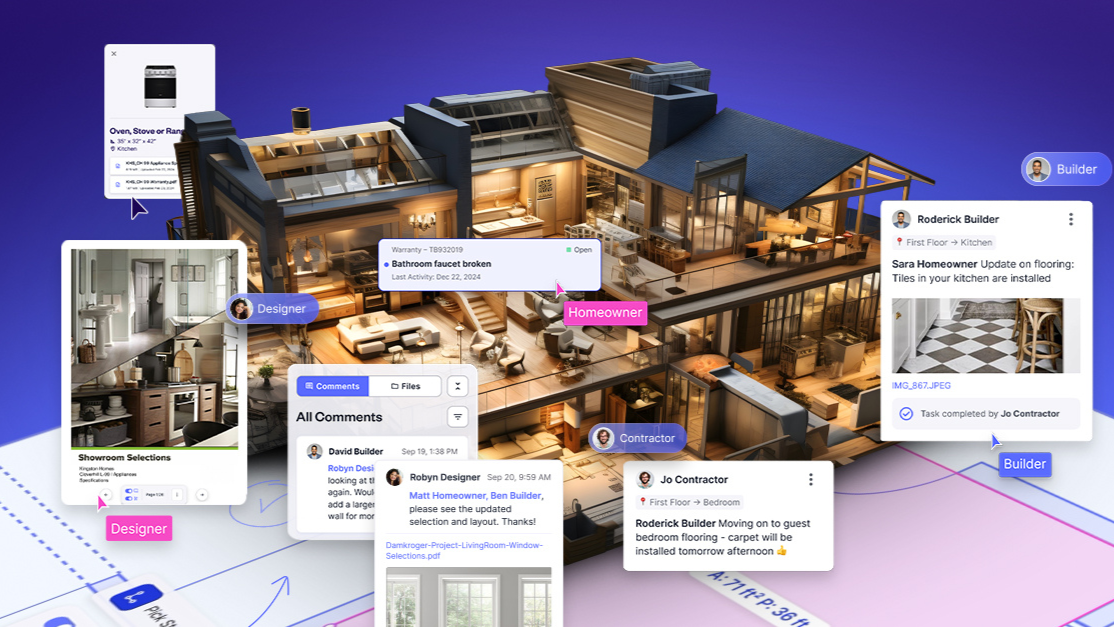
Digs gives builders a centralized workspace for project documents and details. Teams can organize files in the cloud and connect specific information, such as finishes and materials, directly to locations on a floor plan.
2. Keep Homeowners Informed Without Adding More Work
Homeowners don't need to manage the construction schedule themselves, but they do need to understand where their home stands and what decisions are coming up. Consistent updates help set expectations, reduce uncertainty, and give clients a clear way to participate in the process.
The most effective homeowner communication is predictable. Establish a regular update cadence, explain what has been completed, flag upcoming decisions, and let clients know when you need their input.
Make project updates part of the workflow
For example, a weekly update might cover completed work, the next stage of construction, and a pending cabinet or countertop selection. If a schedule change affects the homeowner, explain what changed and what happens next.
A short, useful update can prevent a long chain of follow-up emails. It also helps your team set expectations about when clients should respond and where they should direct questions.
Use these practices to keep communication manageable:
- Set a consistent cadence: Agree on how often homeowners will receive updates and who will send them.
- Make decisions easy to find: Keep selections, approvals, and open questions organized so clients know what needs their attention.
- Share relevant progress: Use jobsite photos and project notes to show what has changed since the last update.
- Control what clients can access: Share homeowner-facing information without exposing internal notes or documents intended for your team and trade partners.
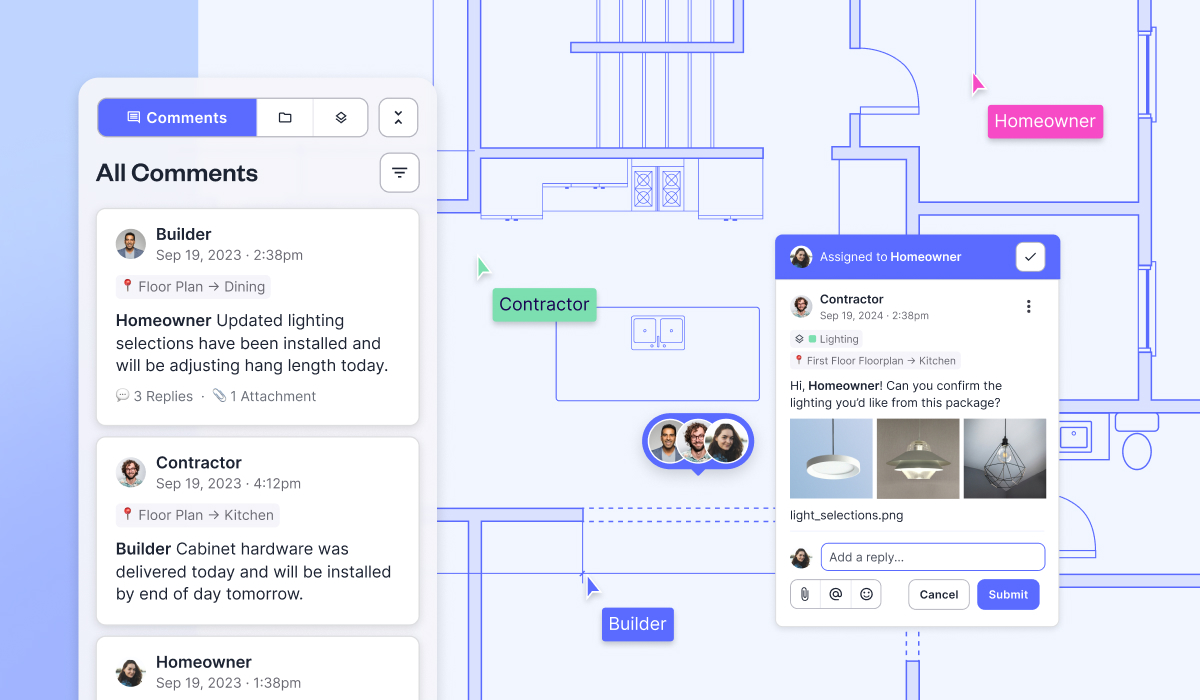
Digs helps builders share project information with homeowners while keeping internal collaboration organized. Builders can use project updates, photos, comments, and task assignments to keep clients involved without relying on scattered conversations across multiple channels.
That continuity matters beyond the build itself. When it's time for the final walk-through, a well-organized project record can help your team prepare for a more complete homeowner handoff.
3. Give Trade Partners the Right Information
Trade partners need accurate plans, specifications, selections, and instructions to complete their work correctly. Home building project communication breaks down when different people are working from different versions of the same information.
A plumber using an outdated layout or an electrician missing an approved lighting change can create extra site visits, delays, and rework. Builders can reduce that risk by establishing one reliable place to find current project information and a clear process for communicating changes.
Connect jobsite details to the documents
Say your team changes the location of a plumbing fixture after a homeowner meeting. The change needs to reach the plumber, the project manager, and anyone else affected by the revised layout.
Instead of relying on a verbal update alone, record the decision, attach the relevant documentation, and make sure the people responsible for the work can access it. If the change affects other trades, notify them before they proceed.
A few practical steps help keep everyone aligned:
- Share information by role: Give each trade partner access to the files and details they need for their scope.
- Make updates visible: Communicate when plans or specifications change, rather than assuming everyone will find the latest version.
- Assign responsibility: Make it clear who needs to review a change, provide an answer, or complete a task.
- Keep a record: Document important jobsite conversations and follow up on decisions that affect scope, schedule, or materials.
Digs helps builders connect project files, floor plans, photos, and notes in one collaborative workspace. Teams can share relevant information with trade partners and keep project details accessible as work progresses.
The goal isn't to add another communication step. It's to reduce the time your team spends searching for information, confirming decisions, and correcting misunderstandings.
How Better Communication Supports the Entire Build
Home building project communication works best when documentation, homeowner updates, and trade coordination follow the same process. Each decision should have a record. Each person should know what they need to do. And the information behind the work should be easy to find.
Start with a few consistent habits: record important decisions, review open items during project meetings, send predictable homeowner updates, and give trade partners access to current plans and specifications.
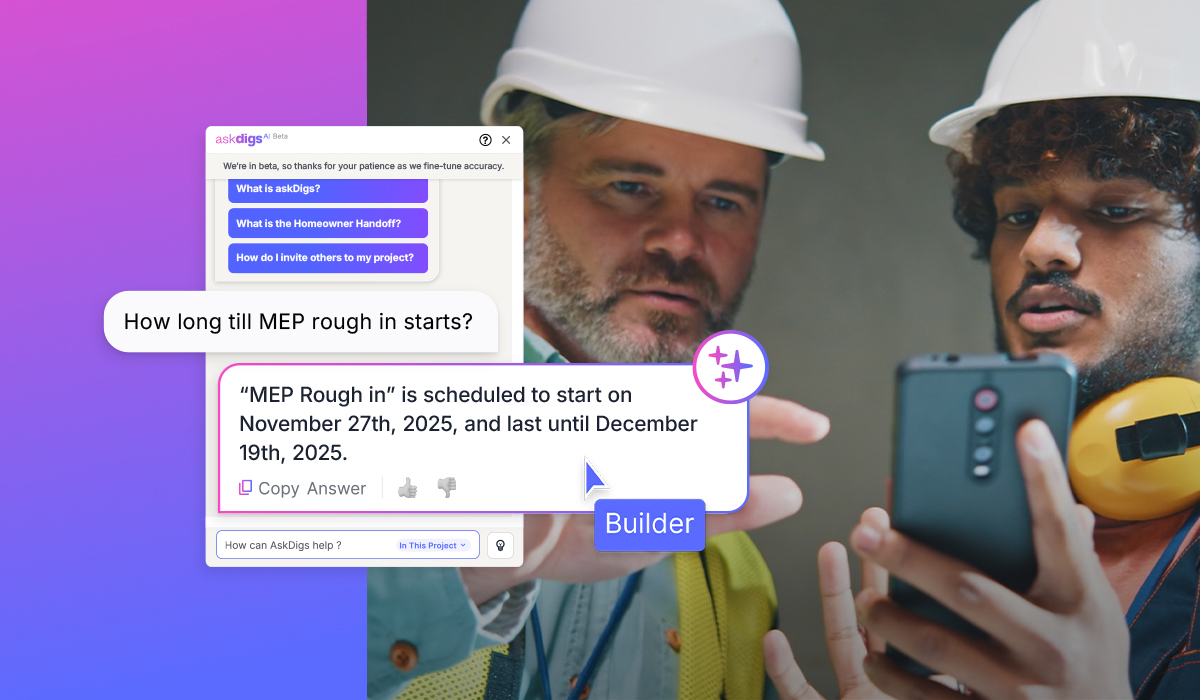
Digs supports that approach by bringing project information and collaboration into one centralized workspace, from pre-construction through homeowner handoff and aftercare.
Better home building project communication means less time chasing details and more time keeping your builds on track.
Frequently Asked Questions
What is home building project communication?
Home building project communication is the process of sharing project information, decisions, updates, and instructions among builders, homeowners, designers, and trade partners. It includes documenting approvals, distributing current plans, tracking open tasks, and keeping everyone informed as the build progresses.
How can builders improve communication with homeowners?
Set a predictable update schedule, explain upcoming decisions, document approvals, and give homeowners a clear place to review relevant information. Consistent updates help manage expectations and reduce the need for repeated follow-up conversations.
How can builders avoid miscommunication with trade partners?
Give trade partners access to current plans and specifications, document changes, and clearly communicate who is responsible for each next step. A centralized project record also helps teams avoid relying on outdated files or verbal instructions alone.
Why is construction document management important?
Construction document management helps builders organize plans, selections, specifications, approvals, and project records. When information is easy to find and kept current, teams can make decisions with greater confidence and reduce the risk of errors caused by missing or outdated details.
Digs is an AI-powered collaboration software built for homebuilders. From pre-con to aftercare, it keeps your team, trades, and clients aligned with one centralized workspace for decisions, documentation, digital handoff, and ongoing warranty support.
Unlock a happier home at Digs.com