8 Marketing Tips for Contractors
Doing quality work is essential for building a successful contracting business. But even the best work needs to be seen by the right people.
For contractors, marketing is about more than running ads. It is about making it easy for potential clients to find your business, understand what you offer, see examples of your work, and feel confident reaching out.
From your website and online reviews to social media and referrals, here are eight marketing tips contractors can use to build visibility and attract new clients.
1. Identify Your Target Market
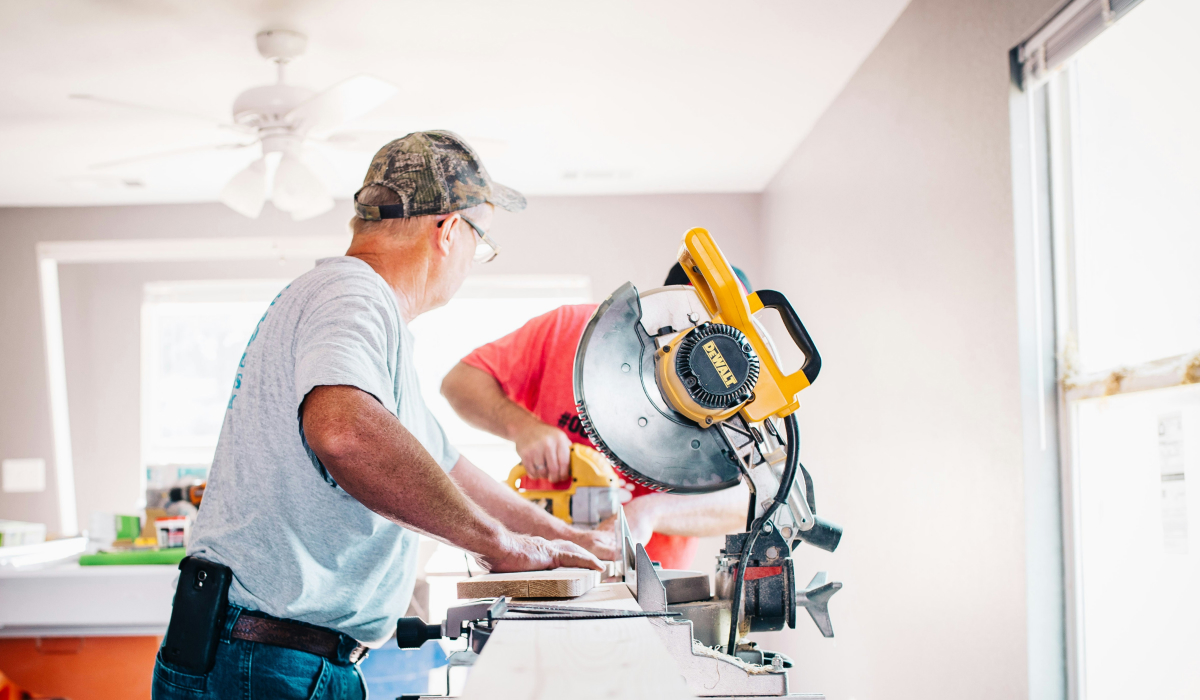
Before deciding where or how to market your contracting business, determine who you want to reach.
Think about the type of work you specialize in, the projects you want more of, and the clients you serve best. You may focus on residential remodeling, new construction, commercial work, specific trades, or a particular geographic area.
Once you know your target market, you can make your marketing more specific.
For example, a contractor specializing in high-end kitchen remodels will likely communicate differently than a contractor focused on roofing or new home construction. Your website, social content, project photos, and messaging should make it clear what you do and who you do it for.
A clear target market also helps you build a stronger value proposition. Ask yourself:
- What type of projects do you specialize in?
- What problems do you help clients solve?
- What experience or expertise sets you apart?
- Why should a potential client choose your business?
2. Build an Impressive Website
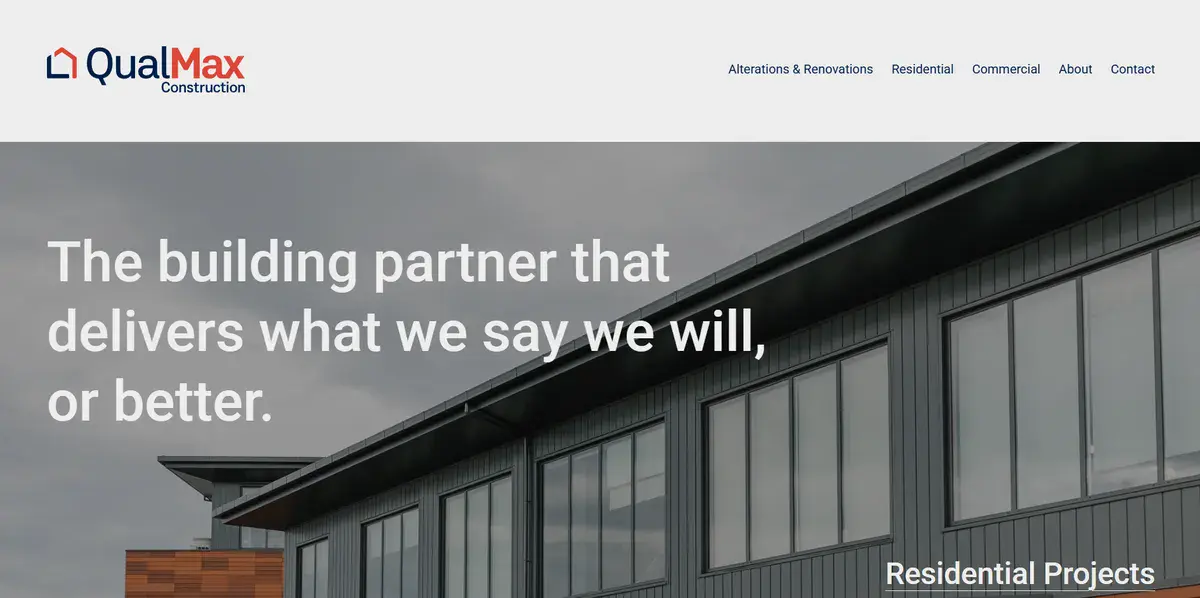
Your website is often one of the first places a potential client goes to learn about your business.
It does not need to be complicated, but it should make it easy for visitors to understand what you do and take the next step.
At a minimum, your website should include:
- Services
- Service areas
- Project photos
- Contact information
- About your company and team
- Client reviews or testimonials
- Relevant certifications or experience
- A clear way to request a quote or consultation
Your project portfolio is especially important for contractors. High-quality photos can show potential clients the quality and type of work they can expect.
It is also worth considering how your website appears in search results. Clear page titles, useful service descriptions, location information, and helpful content can make it easier for search engines to understand your business and connect it with relevant searches.
3. Build Your Online Reputation With Reviews and Testimonials
Before hiring a contractor, potential clients often want to know what previous customers thought about their experience.
Make it easy for satisfied clients to leave reviews on platforms where people are likely to find your business, such as Google.
You can also feature testimonials on your website, but do not stop at a quote about the finished project. Where appropriate, share what the client appreciated about working with you, such as communication, organization, craftsmanship, or how your team handled challenges.
Respond to reviews professionally and consistently. Positive reviews give you an opportunity to thank the customer, while thoughtful responses to negative feedback can show that you take client concerns seriously.
The goal is to build a reputation that supports the rest of your marketing.
4. Start a Blog or Resource Section
Your website should do more than promote your services. It can also answer the questions potential clients are already asking.
A blog or resource section gives contractors an opportunity to share useful information about their work and demonstrate their expertise.
Consider topics such as:
- How to prepare for a remodel
- Questions to ask before hiring a contractor
- How long a typical project takes
- How to plan a renovation budget
- Material and design considerations
- Common construction problems
- Home maintenance tips
- Project-specific guides
When creating content, think about how people actually search for information. Use clear headings, answer questions directly, and focus each article on a specific topic.
Good content can support search engine optimization while also giving potential clients another reason to visit your website.

5. Use Social Media to Show Your Work
Social media gives contractors a visual way to show what they do.
Instead of only posting finished projects, give potential clients a look at the process behind the work. Before-and-after photos, jobsite progress, material selections, project details, team members, and short educational videos can all help tell the story of a project.
Choose platforms that make sense for your audience and your type of work. Instagram, Facebook, YouTube, TikTok, and LinkedIn can each serve different purposes.
Consistency matters more than trying to be everywhere.
A contractor who regularly shares useful, authentic content on one or two relevant platforms may get more value from social media than one who creates accounts everywhere but rarely posts.
6. Build Relationships and Generate Referrals
Some of the best opportunities for contractors come through relationships.
Build connections with professionals who regularly interact with homeowners, developers, property owners, or other potential clients. Depending on your business, that could include:
- Architects
- Interior designers
- Real estate professionals
- Home builders
- Suppliers
- Trade contractors
- Property managers
- Other contractors
Industry events, trade shows, local business groups, and professional organizations can all create opportunities to meet people who may eventually refer work your way.
You can also build referrals by making the experience of working with your company memorable for the right reasons. Clear communication, organized projects, and reliable follow-through can give past clients and industry partners more confidence when recommending your business.

7. Invest in Marketing That Makes Sense for Your Market
Digital marketing is important, but it is not the only option.
Depending on your target market and service area, contractors may also benefit from tactics such as:
- Local sponsorships
- Direct mail
- Community events
- Yard signs
- Trade publications
- Local advertising
- Home shows and industry events
- Partnerships with complementary businesses
The key is to connect your marketing investment to a specific audience and goal.
Instead of asking, "Should I advertise here?" ask, "Are the people I want to reach actually here, and can I measure whether this is generating interest?"
Tracking leads, inquiries, website traffic, and where new clients heard about your business can help you understand which efforts are worth continuing.
8. Set Yourself Apart With the Customer Experience
Marketing does not end when a potential client signs a contract.
The experience you provide during the project can become one of your strongest marketing tools.
Contractors compete on more than price and craftsmanship. Communication, organization, responsiveness, and transparency can all shape how clients remember a project and whether they recommend your business.
That means the systems you use to manage information and communicate with clients can have a marketing impact too.
For example, Digs gives construction teams a centralized place to organize project information, collaborate with homeowners and other stakeholders, and keep important home information connected throughout the project.
A better-organized client experience can help reinforce the promise your marketing makes before the project even begins.
Marketing Is an Ongoing Process
There is no single marketing strategy that works for every contractor.
The right approach depends on your specialty, target market, location, budget, and business goals. What matters is building a consistent presence where your potential clients are looking and giving them useful reasons to trust your business.
Start with the basics: know your audience, build a strong website, collect reviews, showcase your work, create useful content, build relationships, and pay attention to the customer experience.
Over time, those efforts can work together to build a stronger reputation and create more opportunities for your business.
Want to learn more? Watch: Marketing a Digital Experience to Win Today's Homebuyers
Digs is an AI-powered collaboration software built for homebuilders. From pre-con to aftercare, it keeps your team, trades, and clients aligned with one centralized workspace for decisions, documentation, digital handoff, and ongoing warranty support.
Unlock a happier home at Digs.com