For years, homebuilding has relied on a patchwork of tools, spreadsheets, emails, and disconnected platforms. Each team, from sales to construction to warranty, often works within its own system. Information gets handed off, re-entered, or lost along the way.
This approach has worked well enough to get homes built. But it comes at a cost. Miscommunication, delays, duplicated effort, and limited visibility are often accepted as part of the process.
That is starting to change.
The Problem with Siloed Systems
Siloed systems create friction at every stage of a project.
Sales teams track buyer preferences in one place. Project managers maintain schedules somewhere else. Field crews rely on photos, texts, or paper plans. Warranty teams inherit incomplete records at the end.
The result is not just inefficiency. It is uncertainty.
Teams spend time searching for answers instead of acting on them. Builders struggle to get a clear, real-time view of progress. Homeowners feel disconnected from what should be an exciting experience.
When information lives in multiple places, no one has the full picture.
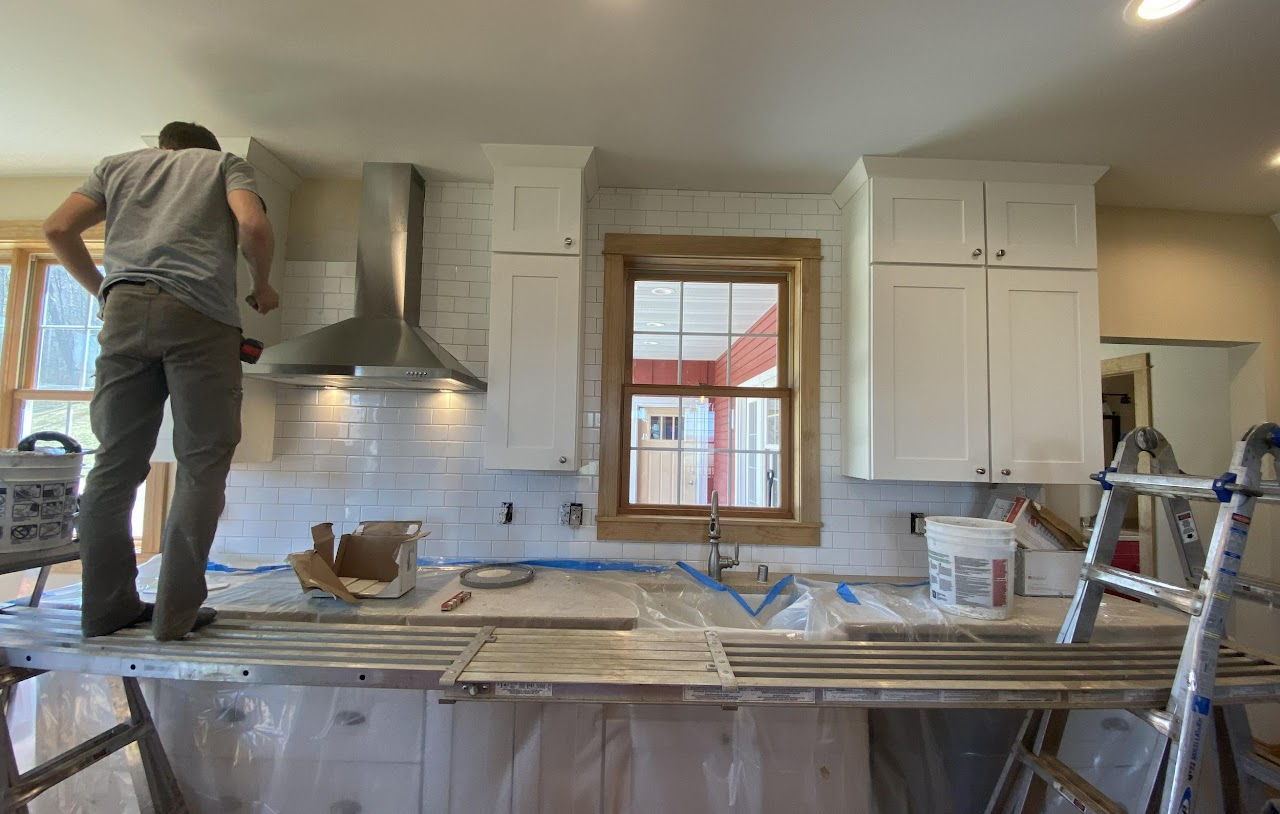
What Integration Actually Means
Digital transformation in homebuilding is not just about adding more technology. It is about connecting the tools and data that already exist.
An integrated workflow brings everything into a shared system where information flows naturally from one phase to the next.
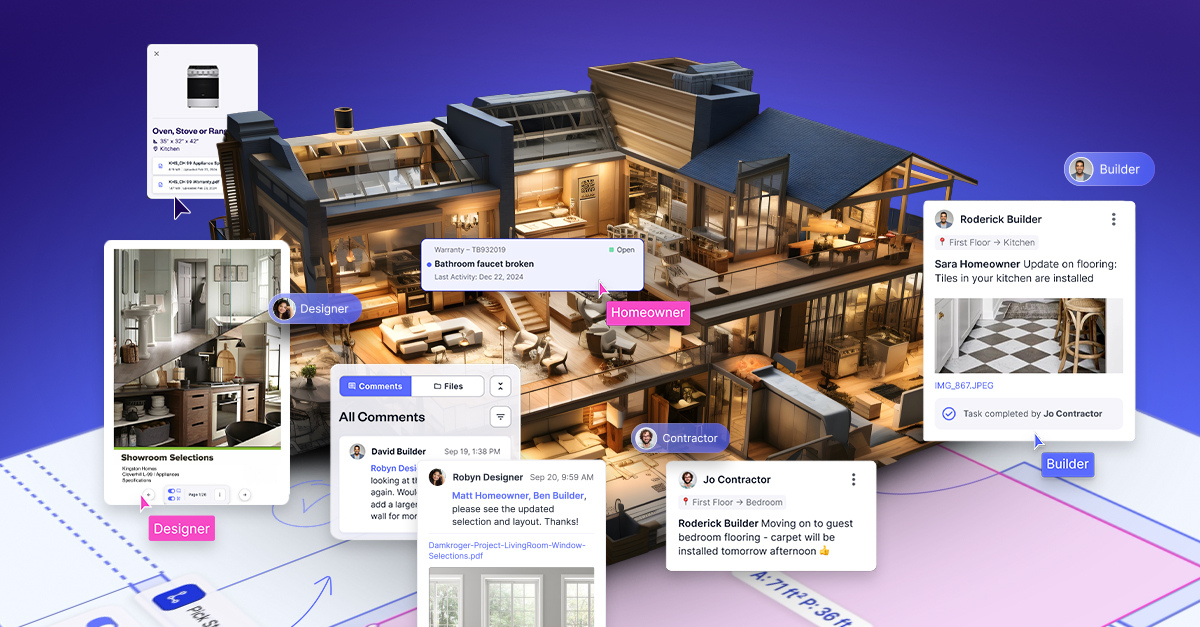
Selections made during pre-construction carry through to the build. Field updates automatically inform project timelines. Photos, documents, and decisions are tied to specific locations in the home. Warranty teams can access a complete history without chasing down details.
Instead of jumping between systems, teams work from a single source of truth.
The Impact on Teams
When workflows are integrated, teams operate differently.
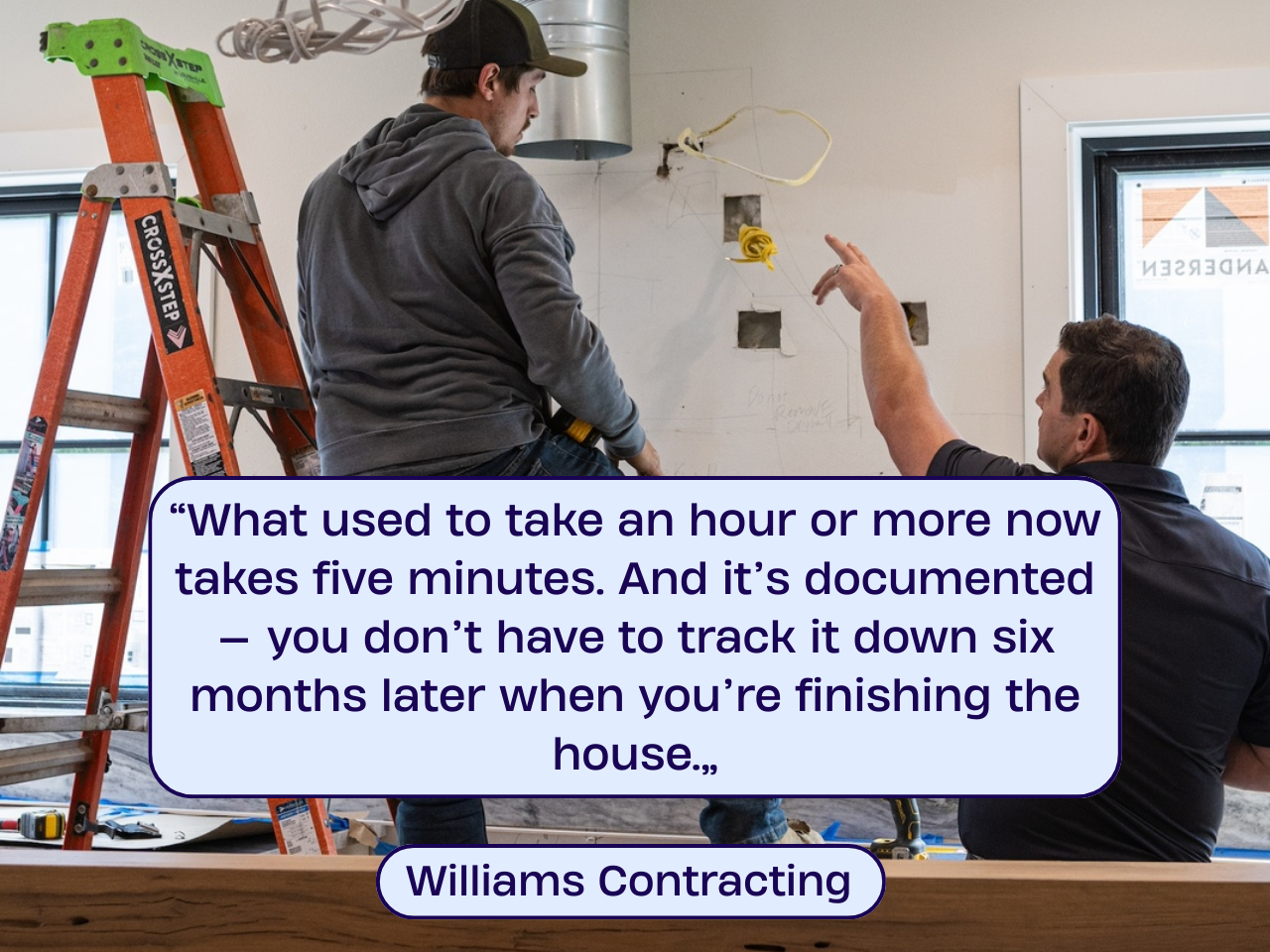
Project managers spend less time coordinating updates and more time managing progress. Field crews have clear, contextual information on-site, reducing guesswork and rework. Sales and client-facing teams can confidently communicate status without chasing down answers.
This shift reduces friction between teams. It also builds accountability, since everyone is working from the same information.
The Impact on Homeowners
Homeowners feel the difference immediately.
Instead of sporadic updates and unclear timelines, they get consistent visibility into their build. They can see progress, understand decisions, and stay aligned with their builder throughout the process.
This transparency builds trust. It also reduces the volume of inbound questions, since many answers are already accessible.

Moving from Reactive to Proactive
Siloed systems force teams into a reactive mode. Issues are discovered late because information is delayed or incomplete.
Integrated workflows change that dynamic.
When data is connected and updated in real time, problems can be identified earlier. A missed detail, a conflicting selection, or a schedule risk becomes visible before it turns into rework.
Teams can act sooner, with better context.
A Foundation for What Comes Next
Integration is not the end goal. It is the foundation.
As builders connect their workflows, they unlock the ability to analyze trends, improve forecasting, and apply automation in meaningful ways. Data becomes more than a record of what happened. It becomes a tool for improving what happens next.
This is where digital transformation starts to compound.
The Shift is Already Underway
Builders are recognizing that disconnected systems are no longer sustainable. The complexity of modern projects, combined with rising homeowner expectations, requires a more unified approach.
The move toward integrated workflows is not about replacing people or overhauling everything overnight. It is about reducing friction, improving clarity, and creating a more connected experience for everyone involved.
Homebuilding will always be complex. But the way teams manage that complexity is evolving.
And the builders who embrace that shift will be better positioned to deliver not just homes, but better experiences from start to finish.