A successful homebuilding project takes more than a solid construction plan. It takes a strong builder-client relationship. From the first pre-con meeting to the final walkthrough, how you communicate, manage expectations, and handle challenges directly affects the homeowner experience.
For builders, strong client relationships can mean fewer misunderstandings, smoother decisions, and more confident homeowners. Here are seven practical ways to build trust and keep your projects moving in the right direction.
Communication Is Key
Clear, consistent communication is one of the most important parts of a successful builder-client relationship. Homeowners want to know what's happening, what's coming next, and who to contact when questions come up.
Set communication expectations early. Establish preferred contact methods, response times, and who will serve as the primary point of contact throughout the project.
A few ways to improve communication:
• Establish a primary point of contact for every client.
• Set expectations for response times and regular check-ins.
• Keep important conversations and project decisions documented.
• Share updates when timelines, selections, or project details change.
• Make it easy for clients to find answers without tracking down multiple team members.
When everyone knows where to find information and who to contact, there's less room for confusion.
Set Clear Expectations
A successful project starts with everyone understanding the plan. Before construction begins, make sure your clients understand the project scope, timeline, budget, selections process, and what's expected of them along the way.
A detailed contract is a good starting point, but expectations should continue to be reinforced throughout the build. Walk homeowners through important milestones, decision deadlines, potential schedule changes, and how change orders are handled.
Make sure you cover:
• Project scope: What's included in the build, and what's outside the original agreement?
• Timeline: What are the major construction milestones, and where could delays occur?
• Budget: How are allowances, upgrades, and change orders managed?
• Selections: When do homeowners need to make decisions about finishes, fixtures, and materials?
• Communication: How will updates, questions, and approvals be handled?
Clear expectations help prevent surprises and give homeowners more confidence in the process.

Listen Actively
Your clients have a vision for their home. Understanding that vision takes more than reviewing plans and selections. It means listening to their priorities, asking questions, and making sure everyone understands what matters most.
Active listening also helps catch potential misunderstandings before they turn into costly changes or rework. If a homeowner raises a concern about a layout, finish, or project detail, take the time to understand the issue before moving forward.
A few ways to practice active listening:
• Ask follow-up questions to clarify requests.
• Repeat important details to confirm everyone's understanding.
• Document decisions and requested changes.
• Give clients time to explain concerns without interrupting.
• Follow up after conversations with a written summary when decisions or next steps are involved.
Homeowners want to feel heard. Showing that you take their input seriously builds trust throughout the project.
Be Flexible
Even the best construction plans can change. Weather delays, material availability, site conditions, and evolving homeowner preferences can all affect a project's direction.
Flexibility doesn't mean abandoning the plan or compromising your margins. It means communicating changes early, explaining available options, and working with clients to find practical solutions.
When adjustments come up:
• Explain how the change affects the schedule, budget, or scope.
• Present realistic options and their potential trade-offs.
• Document approved changes and updated project details.
• Make sure your team and affected trades have the latest information.
A clear change management process helps keep everyone aligned and reduces the risk of outdated instructions making their way onto the jobsite.

Provide Regular Updates
Homeowners are invested in their projects. They want to see progress and know their builder is keeping things on track. Regular updates help clients stay connected without having to chase down information.
Don't wait for homeowners to ask what's happening. Share progress photos, upcoming milestones, important decisions, and any changes that could affect their experience.
Consider including these details in your updates:
• Construction progress: What's been completed since the last update?
• What's next: Which trades or activities are coming up?
• Upcoming decisions: Are there selections, approvals, or other items the homeowner needs to address?
• Potential delays: Are there schedule changes or material issues the client should know about?
• Next steps: Who needs to do what, and by when?
Consistency matters more than the length of each update. A short, timely update can prevent unnecessary calls, reduce uncertainty, and give homeowners confidence that their project is being managed.
Pay Attention to the Details
Small details can have a big impact on how clients experience the building process. From keeping the jobsite organized to making sure selections are documented correctly, the little things help demonstrate that your team takes pride in its work.
Pay attention to the details that affect both construction quality and homeowner confidence.
• Keep jobsites organized and address safety and cleanliness concerns.
• Confirm selections, specifications, and approved changes before work begins.
• Make sure trades have access to current plans and project information.
• Address homeowner concerns promptly.
• Prepare documentation and project records before the final walkthrough.
Good organization behind the scenes makes a noticeable difference in front of your clients.

Maintain Respect and Professionalism
Construction projects can be stressful. Tight schedules, unexpected costs, and changing expectations can create difficult conversations. How your team handles those moments can shape the entire client experience.
Maintain a professional approach, even when challenges arise. Be honest about what's happening, take concerns seriously, and focus on finding a path forward.
Keep these practices in mind:
• Respond to concerns calmly and respectfully.
• Be transparent about mistakes, delays, and unexpected challenges.
• Follow through on commitments and agreed-upon next steps.
• Respect homeowners' time, property, and privacy.
• Keep conversations focused on solutions rather than assigning blame.
Professionalism builds credibility. When clients trust your team to handle challenges responsibly, they're more likely to feel confident throughout the project.
How Can Builders Build Better Client Relationships?
Building a strong builder-client relationship comes down to consistency. Communicate clearly, establish expectations, listen to concerns, and keep clients informed from pre-con through the final walkthrough and beyond.
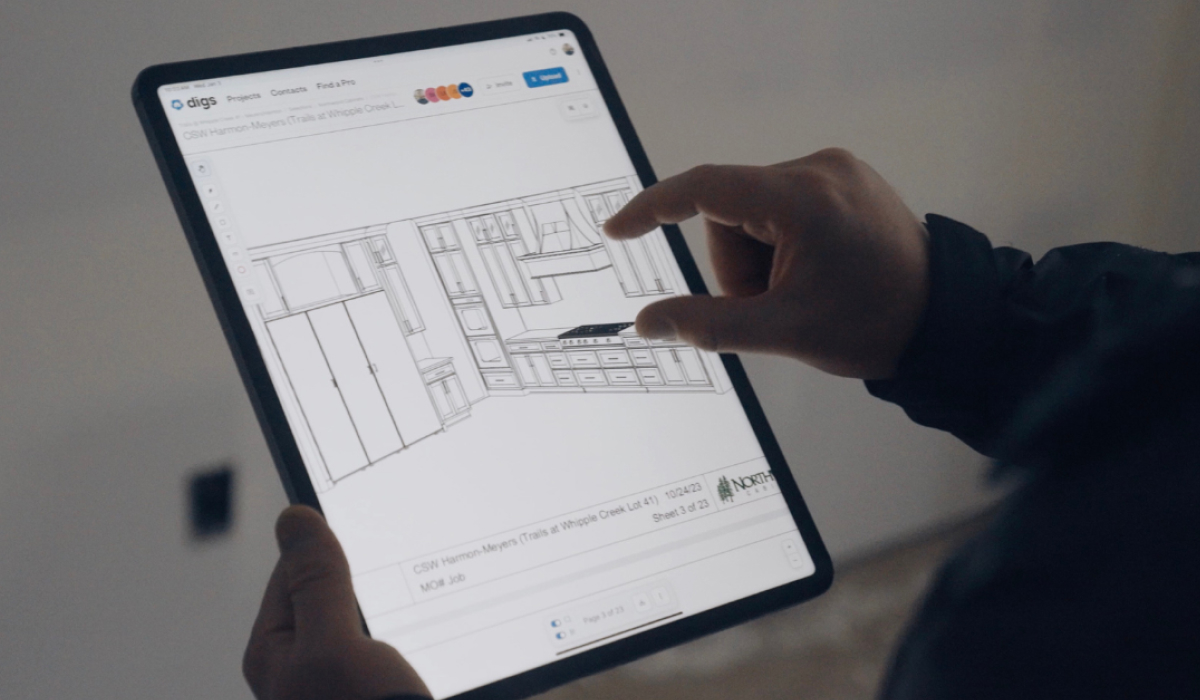
The right processes and tools make those habits easier to maintain. Centralized project information, organized documentation, and accessible homeowner updates help your team spend less time tracking down answers and more time keeping projects moving.
To learn how Digs can help improve and support the builder-client relationship, check out our blog: Digging into Success: How Digs Can Enhance Your Builder-Client Relationship

Frequently Asked Questions
Why is the builder-client relationship important?
A strong builder-client relationship helps prevent miscommunication, manage expectations, and build trust throughout construction. It also supports better decision-making, fewer misunderstandings, and a more positive homeowner experience.
How often should builders communicate with homeowners?
Builders should establish a consistent communication schedule at the beginning of each project. Weekly progress updates are a useful starting point, with additional communication for important milestones, approvals, schedule changes, and unexpected issues.
How can builders manage changing homeowner expectations?
Set clear expectations early and establish a documented process for handling changes. Explain how requested adjustments affect the project scope, budget, and schedule before moving forward.
How can technology improve builder-client communication?
Construction technology can centralize project documents, decisions, progress updates, and homeowner information. This gives builders and clients a shared place to find current information, reducing back-and-forth communication and confusion.
What happens to the builder-client relationship after construction?
The relationship continues through the final walkthrough, homeowner handoff, and warranty period. Providing organized home documentation, clear warranty instructions, and an accessible process for submitting service requests helps maintain trust after move-in.
Digs is an AI-powered collaboration software built for homebuilders. From pre-con to aftercare, it keeps your team, trades, and clients aligned with one centralized workspace for decisions, documentation, digital handoff, and ongoing warranty support.
Unlock a happier home at Digs.com