Door hardware might be one of the last details a homeowner thinks about during early design meetings, but it shows up throughout the finished home. From the front entry to bedroom doors and bathroom fixtures, the right hardware helps tie a design together while meeting everyday needs.
For home builders, choosing door hardware means balancing appearance, durability, security, budget, and installation requirements. These door hardware trends can help you guide selections, offer useful upgrades, and avoid last-minute changes that slow down the build.
1. Smart Door Locks That Add Convenience and Security
Smart door locks give homeowners more control over who can access their homes. Depending on the model, features may include keypad entry, smartphone access, temporary access codes, and integration with other smart home systems.
There's a practical reason to consider them during pre-con. Zillow's 2025 Consumer Housing Trends Report found that 60% of prospective buyers considered smart locks highly important, up from 54% in 2024. Verify this statistic against the original report before publishing.
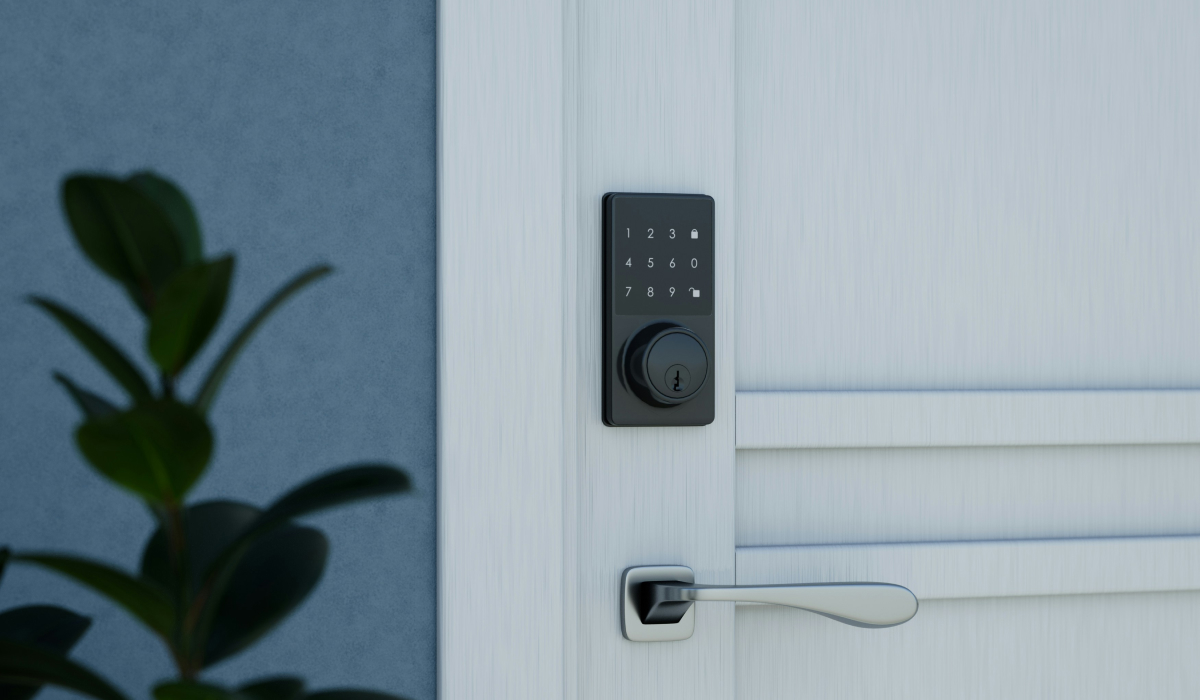
When specifying smart locks, look beyond the feature list. Confirm compatibility with the door, connectivity requirements, power source, and any smart home system included in the project.
What builders should consider:
• Compatibility: Verify that the lock works with the door's thickness, preparation, and existing hardware specifications.
• Connectivity: Confirm whether the lock relies on Wi-Fi, Bluetooth, a hub, or another connection.
• Access management: Consider how homeowners will create, update, and remove access codes for family members and service providers.
• Homeowner handoff: Include setup instructions, warranty information, and manufacturer documentation in the final home record.
Smart locks can be a useful upgrade, but only when they're properly specified, installed, and explained before handoff.
2. Minimalist Door Handles and Clean Finishes
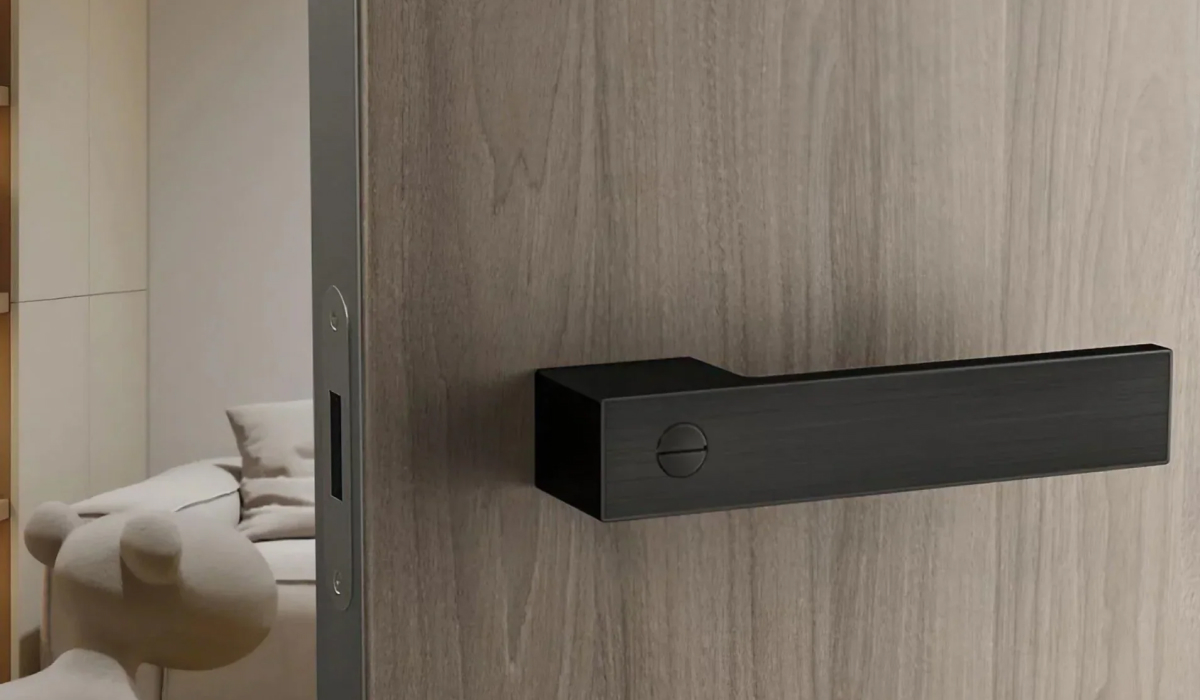
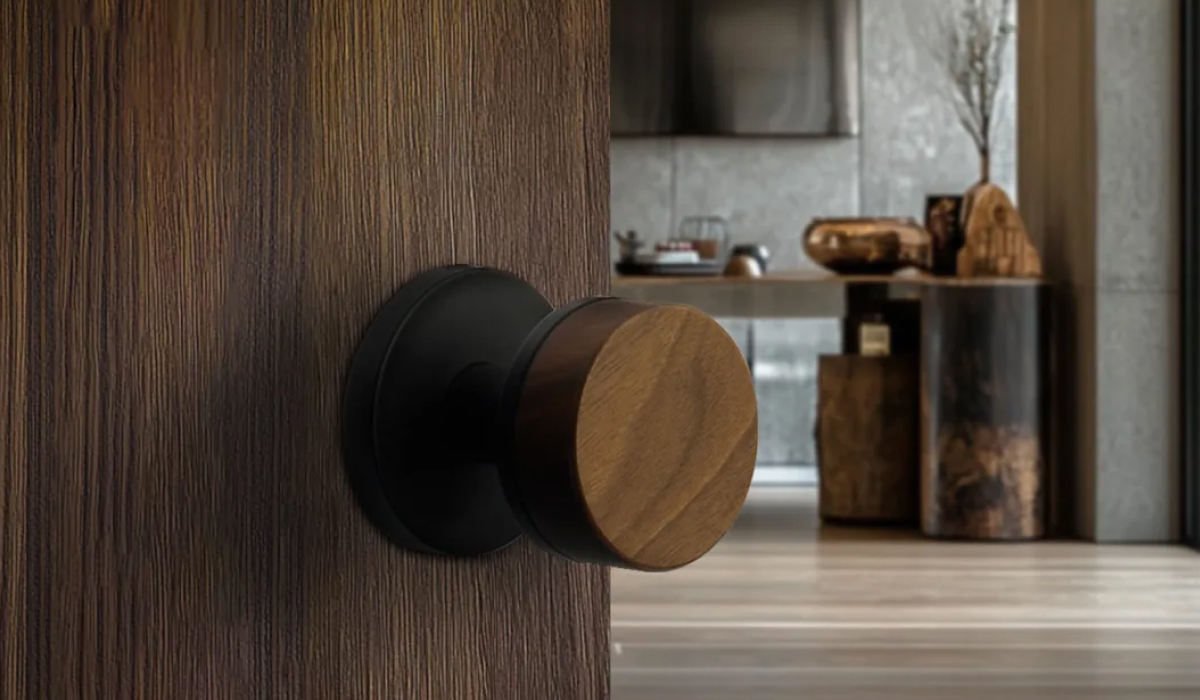
Simple door handles remain a versatile option for contemporary interiors. Clean lines, understated shapes, and finishes such as matte black, brushed nickel, chrome, and warm metallic tones can complement a range of cabinetry, lighting, and plumbing fixtures.
For builders, consistency matters as much as appearance. A finish selected for the front entry should work with the home's broader design direction, even if interior doors use a different hardware style.
What builders should consider:
• Coordinate finishes: Compare door hardware with cabinet pulls, plumbing fixtures, hinges, and lighting before finalizing selections.
• Check availability: Confirm lead times and product availability, especially when a specific finish is used throughout the home.
• Specify the details: Record the manufacturer, model, finish, and hardware type so purchasing and installation teams order the correct products.
• Plan for durability: Consider how finishes will hold up to frequent use, cleaning, and moisture in bathrooms or other high-use areas.
A finish board or digital selection record can help homeowners visualize the combination before materials are ordered. It also gives your team a clear reference if questions come up during installation.
3. Biometric Entry Systems and Keyless Access
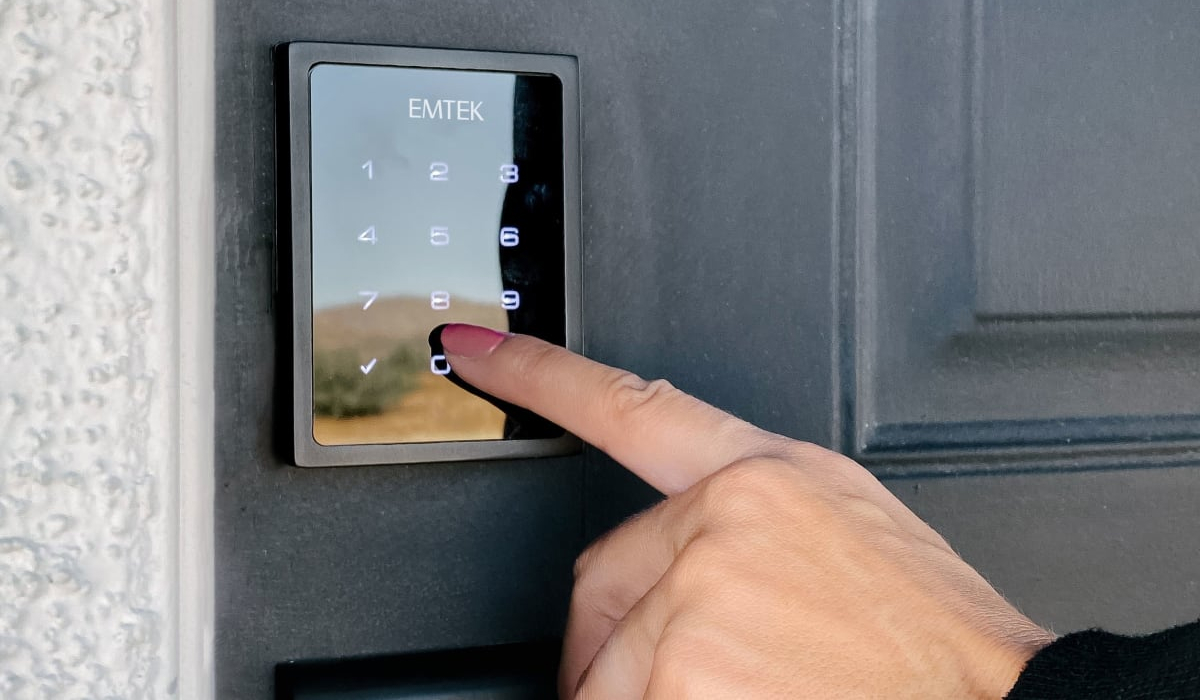
Biometric entry systems use features such as fingerprint recognition to verify a person's identity before granting access. They offer another option for homeowners who want keyless entry, though availability, compatibility, and cost vary by product.
These systems may make sense for custom homes or projects where buyers specifically request advanced access controls. For most builds, it's worth comparing biometric options with simpler keypad or app-controlled locks before adding another system to the specifications.
What builders should consider:
• Budget: Compare the total product cost with the value the feature adds for the intended buyer.
• Reliability: Review backup entry methods for power loss, device failure, or recognition issues.
• Privacy and security: Understand how the product stores biometric data and what security protections the manufacturer provides.
• Owner training: Make sure homeowners know how to enroll users, manage access, and use the backup entry method.
Biometric access isn't necessary for every project. Offer it when it fits the homeowner's priorities and the overall technology package.
4. Sliding and Barn Door Hardware That Makes Better Use of Space
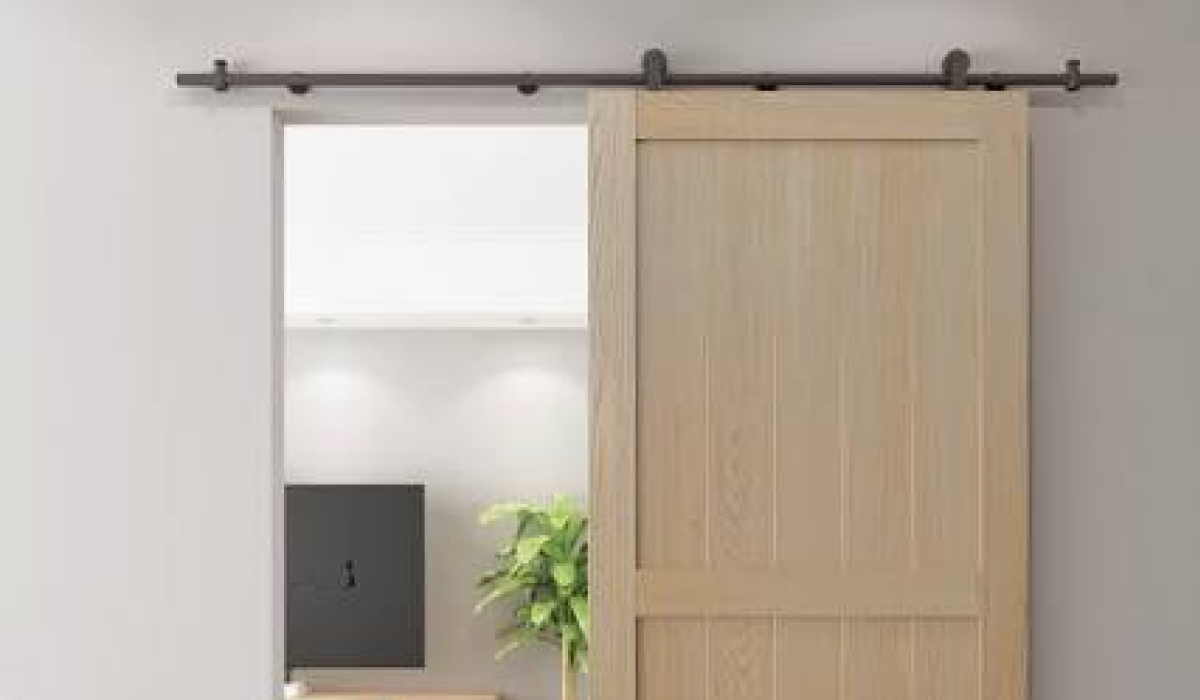
Sliding doors can help define spaces without requiring the swing clearance of a traditional hinged door. Barn door hardware is one option for closets, offices, pantries, and other areas where the design and layout support it.
Before specifying a sliding system, evaluate how the door will function in the actual floor plan. A barn door needs enough adjacent wall space to slide open, and its hardware must support the door's weight and intended use.
What builders should consider:
• Privacy: Sliding barn doors may leave more gaps than hinged doors, making them less suitable for bathrooms or bedrooms where acoustic privacy matters.
• Clearance: Check for conflicts with light switches, outlets, cabinetry, and nearby doors.
• Structural support: Confirm the mounting method and backing requirements before drywall installation.
• Accessibility and safety: Make sure the selected system is appropriate for the room and meets applicable requirements.
For bathrooms and other private spaces, compare sliding systems with pocket doors or traditional hinged doors. The best choice depends on the layout, desired privacy, and homeowner preferences.
5. Durable Materials and Finishes Built for Everyday Use
Door hardware gets handled every day. Exterior locks face weather exposure, while interior handles and hinges experience repeated use, cleaning, and occasional impacts.
Instead of choosing hardware based on appearance alone, compare materials, finish durability, manufacturer warranties, and maintenance requirements. Longer-lasting products can help reduce replacement work and avoid unnecessary service calls.
What builders should consider:
• Exterior exposure: Choose hardware rated for the conditions it will face, including moisture, temperature changes, and coastal environments where relevant.
• High-use areas: Prioritize durable products for main entries, frequently used interior doors, and shared spaces.
• Maintenance: Review the manufacturer's cleaning and care recommendations before handing over the home.
• Replacement parts: Consider whether matching handles, hinges, and other components will be available if repairs are needed later.
Sustainability can also be part of the conversation. Products designed for long service life and supported by replaceable components may help reduce unnecessary waste. Verify specific environmental claims with the manufacturer rather than assuming a material or finish is automatically sustainable.
6. Custom Hardware Selections That Match the Home
Homeowners often want their finishes and fixtures to reflect their personal style. Door hardware gives them another way to customize a home, whether that means choosing a distinctive front entry set, coordinating interior finishes, or selecting handles that complement a particular design.
For builders, the challenge is giving homeowners meaningful choices without creating an unnecessarily complicated purchasing process. A defined selection package can offer flexibility while keeping costs, lead times, and installation requirements manageable.
What builders should consider:
• Set clear options: Create a standard package with a limited number of approved upgrades.
• Document every selection: Capture the exact model, finish, quantity, and location for each product.
• Track changes: If a homeowner switches from matte black to brushed nickel after selections are approved, make sure purchasing and installation teams receive the updated decision.
• Confirm timing: Set deadlines for hardware selections based on procurement and installation schedules.
A clear selection process helps prevent mismatched finishes, incorrect orders, and avoidable rework. It also gives homeowners confidence that the details they've approved will carry through to the finished home.
7. Security-Focused Entry Hardware
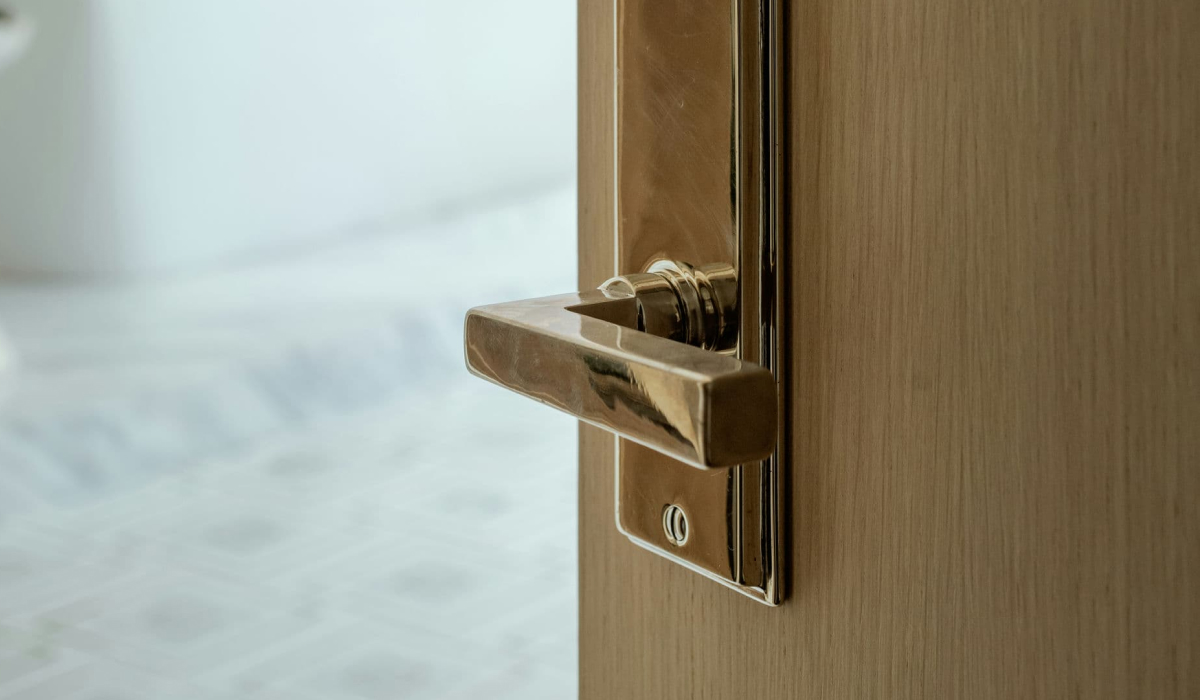
Exterior door hardware needs to balance appearance with dependable performance. Depending on the entry and door assembly, builders may need to evaluate deadbolts, reinforced strike plates, compatible locksets, and other security features.
Security starts with the complete door assembly, not a single piece of hardware. Follow the door and lock manufacturers' installation instructions, and verify that the selected products meet applicable building codes and project requirements.
What builders should consider:
• Door and frame compatibility: Confirm that the lock, door, frame, and strike plate are designed to work together.
• Installation: Follow manufacturer requirements for fasteners, reinforcement, and alignment.
• Smart home integration: If the project includes cameras, alarms, or smart locks, verify compatibility before ordering.
• Documentation: Keep product specifications, warranty details, and care instructions with the home's other records.
For builders, the goal is to specify an entry system that fits the project, performs as intended, and is easy for the homeowner to understand and maintain.
How to Manage Door Hardware Selections Without Creating More Rework
Door hardware decisions can involve homeowners, designers, purchasing teams, suppliers, and installers. When selections live in separate emails, spreadsheets, and product pages, it's easy for someone to work from an outdated finish or model number.
A centralized record gives everyone a shared reference for approved products and changes. It can also preserve the information your team will need later, including installation details, product documentation, and warranty contacts.
Here are four practical ways to keep hardware selections organized:
• Record selections in one place. Keep the approved manufacturer, model, finish, quantity, and room or door location together.
• Make changes visible. Document revisions to selections and communicate them to purchasing and installation teams before work proceeds.
• Connect selections to project documents. Store relevant product specifications, installation instructions, and care guides alongside the approved decision.
• Include hardware in homeowner handoff. Pass along the records and instructions homeowners need to operate, maintain, and service their products.
Digs helps builders centralize project files and decisions, making it easier for teams to reference current information from pre-con through homeowner handoff and aftercare.
Frequently Asked Questions About Door Hardware Trends
What door hardware finishes work best in modern homes?
Matte black, brushed nickel, chrome, and warm metallic finishes are common options. The right choice depends on the home's design, the other finishes in the space, product availability, and the homeowner's preferences.
Are smart door locks worth offering in new construction?
They can be a useful upgrade for buyers who value keyless entry and remote access. Compare compatibility, connectivity, reliability, and cost before adding a model to your standard or upgrade package.
What should builders consider when choosing barn door hardware?
Check door weight, mounting requirements, wall clearance, nearby fixtures, and privacy needs. Sliding barn doors aren't the best fit for every room, particularly spaces where sound control and privacy are priorities.
How can builders prevent mistakes with door hardware selections?
Maintain one current record of approved hardware, including product numbers, finishes, quantities, and locations. Document changes and share them with purchasing and installation teams before the products are ordered or installed.
What door hardware information should be included in homeowner handoff?
Include product names and model numbers, finish details, operating instructions, care recommendations, warranty information, and relevant manufacturer contacts. Keep these records with the home's other product and maintenance documentation.
Final Thoughts: Make the Details Count
Door hardware trends can help builders create homes that look cohesive, function well, and meet homeowner expectations. From smart locks and durable finishes to sliding door systems and custom selections, the best choices balance design preferences with installation requirements, cost, and long-term performance.
A clear selection process helps your team get those details right. Document decisions, keep updated specifications accessible, and make sure the final hardware matches what the homeowner approved. Stronger coordination means fewer surprises during installation and a better experience at handoff.
Digs is an AI-powered collaboration software built for homebuilders. From pre-con to aftercare, it keeps your team, trades, and clients aligned with one centralized workspace for decisions, documentation, digital handoff, and ongoing warranty support.
Unlock a happier home at Digs.com