Window tinting can help homeowners manage glare, reduce unwanted solar heat, and protect interior furnishings from UV exposure. But the right film depends on the home's existing windows, climate, orientation, and the homeowner's priorities.
For homebuilders, the work starts before installation. You need to compare product specifications, confirm compatibility with the selected windows, coordinate with the installer, and document the final decision. Keeping those details organized helps prevent confusion during construction and gives homeowners a clearer record of their home's materials and features.
What Is Residential Window Tinting?
Residential window tinting involves applying a specialized film to existing window glass to change how sunlight passes through it. Depending on the product, window film can reduce glare, limit solar heat gain, filter ultraviolet radiation, or increase daytime privacy.
The results vary by film type and window construction. Some films prioritize solar control, while others focus on UV protection, appearance, or privacy. Builders should review the product's performance data and confirm that it is compatible with the specified glazing before recommending or installing it.
How Can Builders Manage Window Tinting Projects With Digs?
Window tinting decisions can involve several documents and people, including the homeowner, builder, window supplier, and film installer. Digs helps homebuilding teams organize project information, share files, and keep relevant documentation accessible throughout the build.
Here are five practical ways to incorporate Digs into the process.
1. Share Window Tinting Information With Homeowners
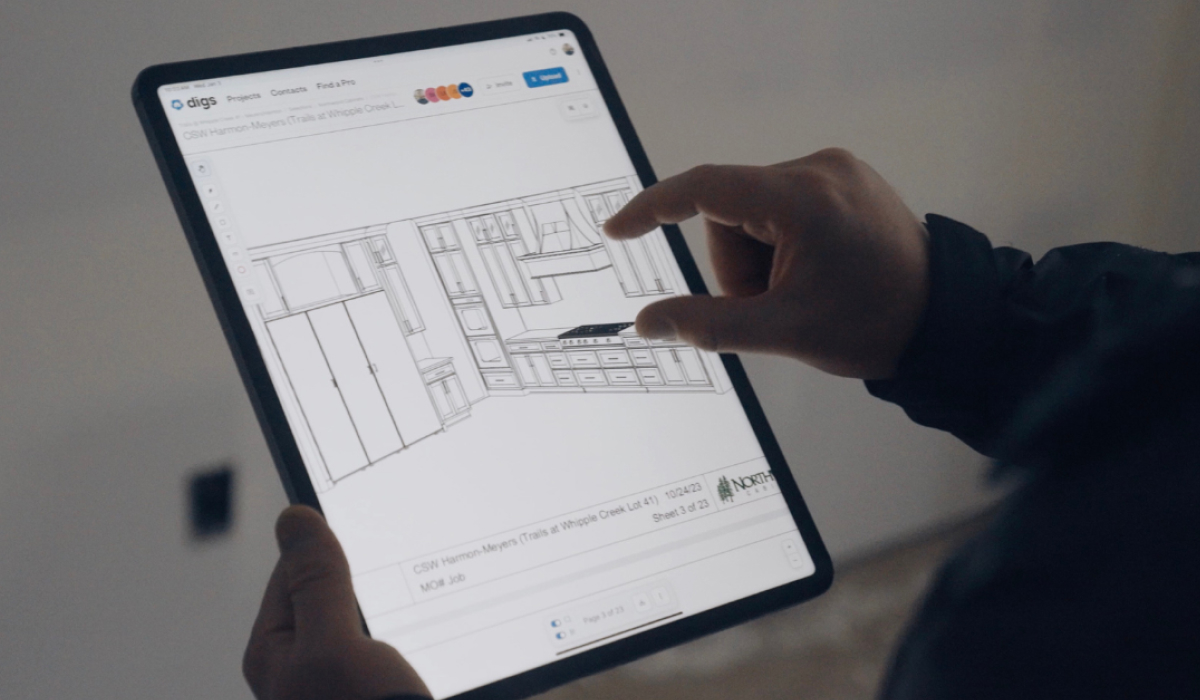
Homeowners may need help comparing film options, understanding performance ratings, and deciding which windows should receive treatment. Rather than relying on scattered emails or verbal explanations, give them clear product information to review before selections are finalized.
With Digs, your team can organize and share relevant project documents, including manufacturer literature, film specifications, product samples, and installation guidance. Keeping these materials accessible helps homeowners understand their options and gives your team a reference point when decisions change.
For example, if a homeowner wants to reduce afternoon glare in a west-facing living room, your team can share options designed for solar control and explain the trade-offs between heat reduction, visible light, and appearance.
2. Keep Window Specifications and Product Files Organized
Window tinting needs to work with the glass already specified for the home. The film's performance, compatibility, and installation requirements should be reviewed alongside the window manufacturer's documentation.
Digs provides centralized file management for company and project documents. Your team can use it to keep window schedules, supplier information, film specifications, installation instructions, and approved selections organized in one project workspace.
That record is especially useful when a selection changes during pre-construction or when a trade needs to confirm which product was approved. Everyone can refer back to the documented decision instead of relying on an old email or an informal conversation.
3. Coordinate With Window Suppliers and Film Installers
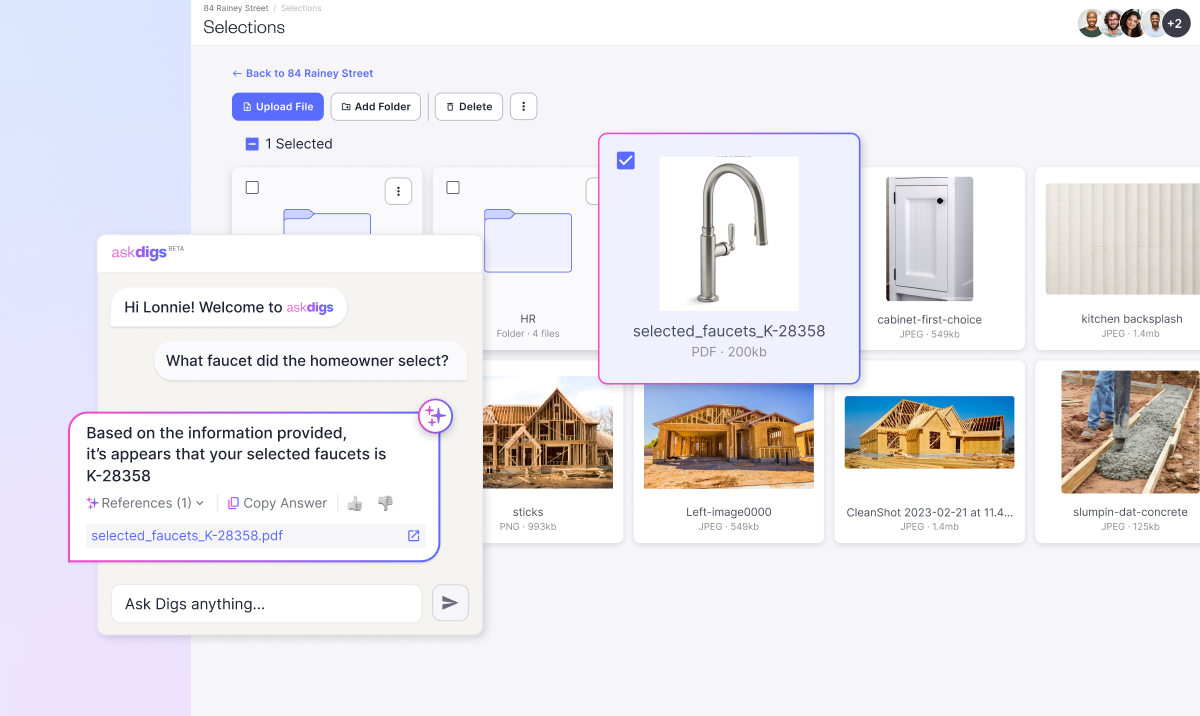
Window tinting can introduce coordination requirements between the window supplier and the film installer. The selected film must suit the glass, and installation timing needs to align with the construction schedule.
Use Digs to organize relevant documents and share the information each party needs. Keep product details, installation instructions, and approved selections accessible so your team can confirm requirements before work begins.
A practical example is documenting the approved film for a set of large living room windows, then making sure the installer has the correct specifications before arriving on site. Clear documentation helps reduce avoidable clarification calls and the risk of installing the wrong product.
4. Document Window Products and Supplier Details
Knowing which windows and films were installed can save time when questions come up after move-in. If a homeowner reports excessive glare or asks about a product's cleaning requirements, your team should have a reliable record of the materials used.
Organize window schedules, manufacturer details, product identifiers, invoices, and installation records in Digs. Where relevant, connect the information to the corresponding location in the home's 3D floor plans or project documentation, so the record is easier to understand later.
This is a documentation workflow, not automatic product tracking. Your team still needs to collect and maintain accurate supplier and installation details.

5. Organize Window Tinting Warranty and Care Information
A complete homeowner handoff should explain what was installed, who supplied it, and how to care for it. Window film may have its own warranty terms, and those terms can differ from the warranty covering the original window.
Digs supports homeowner handoff through its homeowner portal and warranty management capabilities. Builders can use the platform to make relevant home documentation available to homeowners and organize warranty information for ongoing support.
For window tinting, that documentation may include the film manufacturer, installer contact information, product warranty, care instructions, and any limitations that apply to the original window warranty. Confirm the applicable terms with the manufacturers and installer rather than assuming the film and window warranties provide the same coverage.
To learn more about benefits of window tinting and things to consider you can read our blog post on it: https://digs.com/post/the-benefits-of-window-tinting-your-home.
What Should Builders Consider Before Installing Window Tinting?
Before recommending window tinting for homes, evaluate the product's intended use, the existing glazing, and the homeowner's expectations. These checks help your team select an appropriate product and avoid promising benefits that a particular film may not deliver.
1. Compare Window Tinting Options
Window films vary in appearance and performance. Common options include clear UV-filtering films, tinted or dyed films, and reflective or solar-control films.
When comparing products, review:
• Solar heat gain: How much solar energy passes through the glazing with the film installed.
• Visible light transmission: How much daylight the film allows into the room.
• UV protection: How effectively the product filters ultraviolet radiation that can contribute to fading.
• Privacy and appearance: Whether the film changes visibility, reflectivity, or the home's exterior appearance.
• Product compatibility: Whether the film is approved for the specific glass and window construction.
The National Fenestration Rating Council provides independently verified performance ratings for certified window films. These ratings can help builders compare products using consistent measures.
2. Check Local Requirements and Manufacturer Guidance
Before specifying a film, confirm any applicable local requirements, project specifications, and homeowner association restrictions. Also review the window manufacturer's warranty conditions and the film manufacturer's installation requirements.
Compatibility matters because some films absorb additional solar energy into the glass, potentially increasing thermal stress or affecting insulated glazing seals. A qualified window-film professional can assess the existing glass, its condition, orientation, and the suitability of the proposed film.
3. Understand Maintenance Requirements
Different window films have different cleaning and care instructions. Before handoff, obtain the manufacturer's guidance on approved cleaning products, cloths, and any waiting period required after installation.
Include those instructions with the home's product documentation. That way, homeowners have a reliable reference instead of having to track down the installer months after move-in.
4. Set Realistic Expectations for Energy Efficiency
Window tinting can reduce unwanted solar heat gain, which may help with cooling demand in some homes. However, results depend on the film, climate, window orientation, existing glazing, and the home's overall energy performance.
Film is not a substitute for an insulated window system. Some solar-control films can also reduce useful winter solar heat gain or noticeably reduce daylight. For new construction, compare the proposed film with the performance of the specified glazing and other shading options before making a recommendation. The US Department of Energy breaks down guidelines on Purchasing Energy-Efficient Residential Windows, Doors, and Skylights on their site.

Frequently Asked Questions About Window Tinting for Homes
Does window tinting make a home more energy-efficient?
It can help reduce solar heat gain and cooling demand in some situations. The result depends on the film's performance, the home's climate, window orientation, and existing glazing. Review product ratings before estimating potential energy benefits.
Does window tinting protect furniture from fading?
Many window films reduce UV transmission, which can help limit one contributor to fading. However, fading can also result from visible light, heat, and other environmental factors, so film does not eliminate the risk.
Can window film be installed on any residential window?
No. Compatibility depends on the glass type, glazing construction, film characteristics, and manufacturer requirements. Check the window warranty and consult a qualified film installer before proceeding.
What should builders include in a window tinting handoff?
Include the film manufacturer and product details, installation records, warranty terms, care instructions, and installer contact information. Keep these documents with the home's other product records so homeowners can find them when needed.
Keep Window Tinting Decisions Documented From Pre-Con to Handoff
Window tinting is one of many home selections that can involve product research, supplier coordination, installation requirements, and ongoing homeowner questions. Builders can make that process easier by documenting approved products, organizing supporting files, and giving homeowners access to the information they'll need after move-in.
Digs gives your team a centralized workspace for project files, collaboration, 3D floor plans, homeowner handoff, and warranty management. That helps keep important home information organized long after construction wraps up.
Digs is an AI-powered collaboration software built for homebuilders. From pre-con to aftercare, it keeps your team, trades, and clients aligned with one centralized workspace for decisions, documentation, digital handoff, and ongoing warranty support.
Unlock a happier home at Digs.com.