Exterior paint does more than set the tone for a home's curb appeal. The right product also needs to work with the siding, stand up to local weather, and fit the homeowner's expectations for maintenance.
For builders, exterior paint is one of the finish selections that can shape a home's appearance long after construction wraps up. For homeowners, it's a chance to personalize the property while protecting its exterior surfaces. Making the decision early, with the right information in hand, helps everyone stay aligned on the final look and product specifications.
Here's how to choose exterior paint based on the home's materials, climate, style, and long-term needs.
Understanding the Basics of Exterior Paint
Exterior paint serves two main purposes: protecting compatible surfaces and creating the look you want. A quality product, applied to a properly prepared surface, can help resist moisture, fading, peeling, and everyday weather exposure. The right choice depends on the substrate, the existing finish, and the manufacturer's application requirements.
Before settling on a color, consider these two priorities.
Protect the home's exterior. Choose a coating designed for the surface you're painting. Different materials have different preparation and compatibility requirements, and paint won't solve underlying problems such as wood rot or water intrusion.
Create the right look. Color and sheen influence how the home looks in different lighting and how well the finish suits its architectural details. The best selection balances personal taste with the home's fixed features and surrounding environment.

How to Choose Exterior Paint Colors and Styles
Exterior color should complement the home's architecture, roofing, stonework, and other finishes. It should also reflect the homeowner's preferences without creating avoidable conflicts with neighborhood guidelines or community requirements.
Builders can make this process easier by narrowing the options before homeowners are asked to make a final decision.
Consider the home's architectural style
A traditional home might suit a restrained palette of warm whites, creams, grays, or earth tones. A contemporary design might call for stronger contrasts or a more limited palette. Neither approach is a rule. The goal is to choose colors that work with the home's proportions, materials, and design details.
Look at the elements that won't be changing, including:
• Roof shingles or metal roofing.
• Brick, stone, or other masonry accents.
• Window frames, exterior doors, and trim.
• Decking, railings, and other visible finishes.
Coordinate the paint palette with these elements before ordering materials or approving the final selection.
Account for the neighborhood and surroundings
A color that looks great on a sample card may feel different across an entire exterior. Consider nearby homes, landscaping, natural light, and any homeowners association or development design requirements.
For new construction, builders should confirm applicable color restrictions before finalizing the selection. For existing homes, take a few photos of the exterior and review potential colors alongside the roof and other permanent features.
Test colors before committing
Paint samples are useful, but a small swatch doesn't always show how a color will look across an entire house. Test the shortlisted colors on representative exterior surfaces, following the paint manufacturer's guidance.
Review the samples in morning light, midday sun, and shade. Consider how the color looks from the street as well as up close. This step can help homeowners feel confident about the final choice before the full exterior is painted.

How Weather and Climate Affect Exterior Paint
Local climate should influence both paint selection and the timing of application. Sun exposure, rain, humidity, and temperature can affect how a coating performs and how well it dries or cures. Choose a product rated for the specific surface and conditions, then follow its technical data sheet for application requirements. Here is Benjamin Moore's guidance on How to Paint Your Home Exterior.
Builders working across different regions should avoid assuming that one exterior paint specification will suit every project.
Humidity and moisture
In humid or rainy climates, look for products with appropriate moisture resistance and resistance to mildew growth. Surface preparation matters just as much. The substrate needs to be in suitable condition, and leaks, rot, or other sources of persistent moisture should be addressed before painting.
Paint is one part of the home's moisture-management strategy, not a replacement for sound construction and drainage.
Sun exposure and fading
Strong sunlight can contribute to fading and weathering over time. Compare product specifications for UV resistance and color retention, especially on elevations that receive prolonged direct sun.
Color choice matters, too. Ask the paint manufacturer how the selected color and product are expected to perform on the home's particular siding or exterior material.
Temperature and seasonal changes
Exterior coatings have specific temperature and weather requirements for application and curing. Applying paint outside those conditions can affect adhesion, drying, and the final finish.
Don't rely on the daytime forecast alone. Check expected overnight temperatures, rain, humidity, and the manufacturer's guidance for the product being used. Some coatings are designed for cooler application conditions, but those specifications shouldn't be assumed to apply to every paint. Sherwin-Willaims answerx FAQs on painting application here.
Rainfall and changing weather
In areas with frequent rain, plan the painting schedule around suitable dry conditions. Surfaces must be sufficiently dry, and the coating needs the conditions specified by its manufacturer to dry or cure properly.
A weather-resistant product still needs correct application. Rushing the job because of a construction deadline can lead to avoidable finish problems and additional work.

How to Choose Exterior Paint for Different Materials
The home's exterior material is one of the most important factors in paint selection. Wood, brick, fiber cement, stucco, and vinyl don't all have the same coating requirements. Confirm that the chosen paint and primer are compatible with the substrate and any existing finish before work begins. Sherwin-Williams breaks it down in Know Your Substrates.
Wood siding
Wood siding needs careful inspection before painting. Check for peeling paint, damaged boards, exposed wood, and signs of moisture intrusion. Repair underlying problems and prepare the surface according to the product instructions.
Where required, use a compatible primer on bare wood and repaired areas. A new coat of paint won't correct rot or prevent recurring damage if the source of moisture remains.
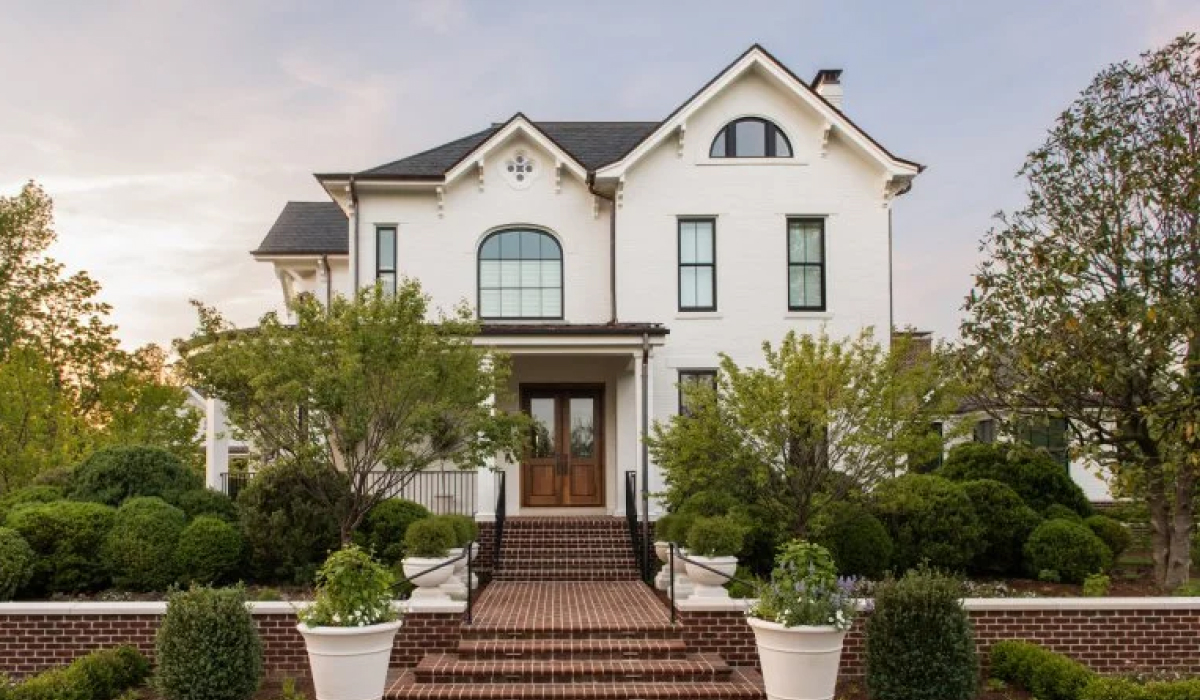
Brick and masonry
Before painting brick or masonry, determine whether painting is appropriate for the material and its condition. Masonry products have specific requirements for curing, moisture, and surface preparation.
Use a coating designed for the particular masonry surface. If the wall has persistent dampness, efflorescence, or signs of water intrusion, address the cause before applying a finish.
Fiber cement, stucco, and vinyl
These materials have their own preparation and product compatibility considerations. Confirm whether the surface is new or previously painted, whether a primer is needed, and which coatings the material manufacturer recommends.
Vinyl siding deserves special attention when changing colors. Certain darker colors can cause excessive heat absorption and warping if the siding or coating isn't designed for that application. Check the siding and paint manufacturers' guidance before approving a darker color.
Maintenance, Paint Finish, and Budget
The lowest upfront price isn't always the best value. Compare the expected durability, preparation requirements, coverage, application needs, and maintenance expectations of suitable products. A paint that costs more per gallon may or may not offer better value for a particular home, so evaluate the complete system rather than price alone.
Choose a finish for the surface
Paint sheen affects appearance, cleanability, and how visible surface imperfections may be. Product ranges differ, but common exterior options include flat, satin, and semi-gloss finishes.
• Flat: Often used on siding when a less reflective appearance is preferred and the product is suitable for that surface.
• Satin: Offers a modest sheen and can be a practical option where the selected product provides the desired durability and cleanability.
• Semi-gloss: Often considered for trim, doors, and shutters where a more reflective finish is desired.
Confirm the recommended sheen for each surface with the paint manufacturer. A finish that's right for the trim may not be the best choice for the home's main siding. More questions? Check out How to Choose an Exterior Paint Sheen by Behr.
Compare long-term maintenance needs
Discuss how the homeowner expects to maintain the exterior. Some products may offer better resistance to dirt, fading, or mildew than others, but actual performance depends on the product, exposure, surface preparation, and application.
Before finalizing the selection, clarify:
• Recommended cleaning and maintenance practices.
• Expected touch-up requirements and how to match the original color.
• Product warranty terms and limitations.
• Any special preparation or application requirements that could affect labor costs.
Avoid promising a fixed repainting schedule without considering the product and local conditions.
Balance quality and budget
Compare the total cost of the proposed paint system, including primer where required, labor, preparation, and the number of coats specified. Cutting preparation or choosing an incompatible product can lead to additional labor and premature coating failure.
For builders, documenting the approved product and color can also help the team avoid substitutions that don't match the original selection. For homeowners, keeping those details makes future repairs and touch-ups easier to coordinate.
When to Consult a Paint Professional
A paint professional or manufacturer representative can help confirm product compatibility, preparation requirements, and performance expectations for a particular home. This is especially useful when the exterior includes multiple materials, previously painted surfaces, unusual exposure conditions, or signs of moisture damage.
Before approving the final specification, confirm:
• The paint and primer are appropriate for each substrate.
• Surface preparation and application conditions meet product requirements.
• The selected colors and finishes are documented accurately.
• The homeowner understands relevant maintenance recommendations and warranty limitations.
Builders should also keep the final paint schedule with the home's other finish selections. That gives the homeowner a reliable reference after move-in, when the original project team may no longer be involved in day-to-day maintenance.
Make Exterior Paint Selections Easier to Manage
Choosing exterior paint is easier when builders and homeowners have a shared understanding of the approved colors, products, and finishes. Consider the home's materials, climate, architectural style, and maintenance needs before finalizing the selection.
For builders, clear documentation helps keep finish decisions consistent across the project. For homeowners, it creates a useful record for future touch-ups, repairs, and maintenance.

Digs is an AI-powered collaboration software built for homebuilders. From pre-con to aftercare, it keeps your team, trades, and clients aligned with one centralized workspace for decisions, documentation, digital handoff, and ongoing warranty support.
Unlock a happier home at Digs.com