How Homeowners and Builders Can Choose the Right Backsplash
A backsplash can protect a kitchen or bathroom wall from everyday splashes while also becoming one of the most noticeable design elements in the room.
For homeowners and builders, choosing the right backsplash involves more than picking a tile that looks good. The backsplash needs to work with the cabinets, countertops, hardware, fixtures, and overall design of the home. It also needs to fit the homeowner's lifestyle and expectations for maintenance.
With so many materials, patterns, colors, and installation options available, a clear selection process can help homeowners feel confident in their decision while giving builders a clear understanding of the final design.

Start With the Rest of the Room
A backsplash is one part of a larger design. Before choosing a material or pattern, homeowners and builders can consider how it will work with the other finishes in the space.
Coordinate With Cabinets and Countertops
Cabinet and countertop selections are often a good starting point.
A backsplash can complement those finishes with a similar color or material, or it can create contrast and become a focal point. For example, a simple cabinet design may leave room for a more distinctive tile pattern, while a heavily patterned countertop may pair better with a quieter backsplash.
Looking at these selections together can help create a more cohesive finished space.
Consider Hardware and Fixtures
Cabinet hardware, faucets, lighting, and other fixtures can also influence the overall look.
The goal does not necessarily have to be for every finish to match exactly. Instead, homeowners can consider how colors, finishes, textures, and shapes work together across the room.

Think About Scale
The size of the room and the scale of the other finishes matter too.
Large-format tile can create a cleaner look with fewer grout lines, while smaller tile can add texture and visual detail. A backsplash can also be used to emphasize a particular area, such as the space behind a range or the wall above a vanity.
Match the Backsplash to the Homeowner's Lifestyle
A backsplash should look good, but it also needs to work for the people using the space.
Homeowners and builders can think through a few practical questions before making a selection.
How Much Maintenance Is Acceptable?
Different backsplash materials and installation methods can have different cleaning and maintenance requirements.
Homeowners who want a low-maintenance kitchen may prefer surfaces that are easy to wipe down and have fewer grout lines. Homeowners who are comfortable with more upkeep may have more flexibility when considering natural stone or other materials that require additional care.
The important thing is making sure homeowners understand the maintenance involved before they finalize a selection.
How Will the Space Be Used?
A kitchen used for frequent cooking may have different backsplash requirements than a lightly used kitchen or bathroom.
Homeowners can consider areas that are more likely to see moisture, food splatter, grease, or heat when selecting materials and determining backsplash coverage.
Builders can help make sure those practical considerations are addressed during the selection process.
How Long Should the Design Feel Current?
A backsplash is not something homeowners typically want to replace every few years.
Trendy colors and patterns can create a strong visual statement, while more neutral materials may give homeowners greater flexibility as other design elements change. Neither approach is necessarily right for every home. The best choice depends on the homeowner's style and how they want the space to look over time.

Backsplash Trends Homeowners and Builders Should Know
Homeowners have more options than ever when it comes to backsplash design. Rather than focusing on one specific look, homeowners and builders can consider the broader design directions influencing current selections.
Large-Format Tile
Large-format tile can create a clean, streamlined appearance while reducing the number of grout lines across a wall.
It can also be used to create a more continuous look, particularly when the material coordinates with the countertop or other surfaces.
Natural Stone and Stone-Inspired Looks
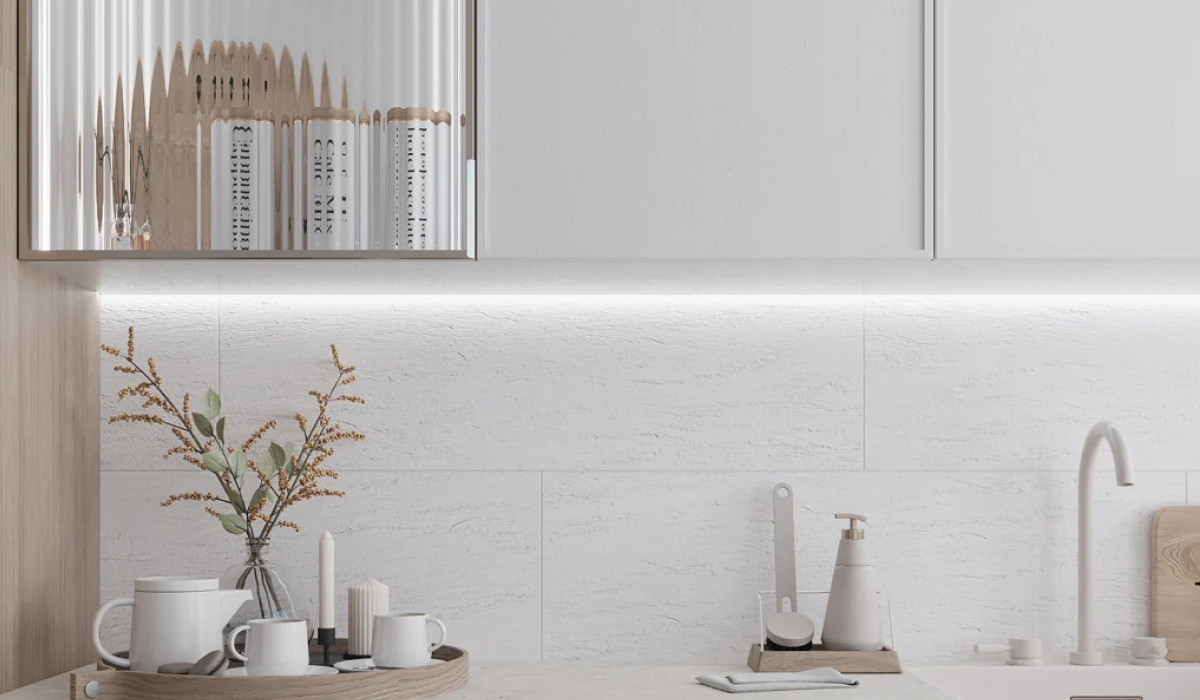
Natural stone can bring texture and variation to kitchens and bathrooms. Marble, quartzite, travertine, and other stone looks can create a distinctive finish, while manufactured alternatives can offer similar visual characteristics with different performance and maintenance considerations.
For homeowners, the key is understanding the difference between appearance and maintenance before making a selection.
Handmade and Textured Tile
Tile with visible variation, texture, or an artisan-inspired appearance can add character to a space.
These materials can make a backsplash feel less uniform and give homeowners a way to add personality without changing larger elements such as cabinets or countertops.
Bold Color and Pattern
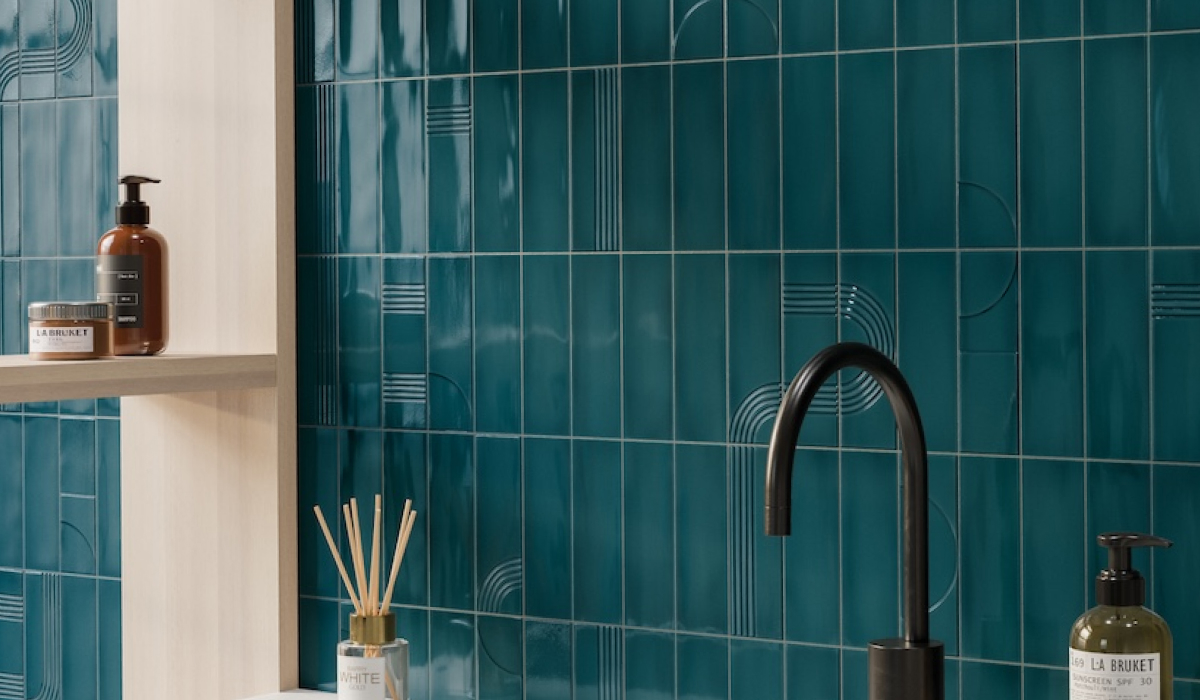
Some homeowners are using the backsplash as an opportunity to introduce more color or pattern.
A bold backsplash can create a focal point behind a range, sink, or vanity. Homeowners and builders can consider how a statement backsplash works with the other finishes in the room so the overall design still feels intentional.
Simpler, More Continuous Designs
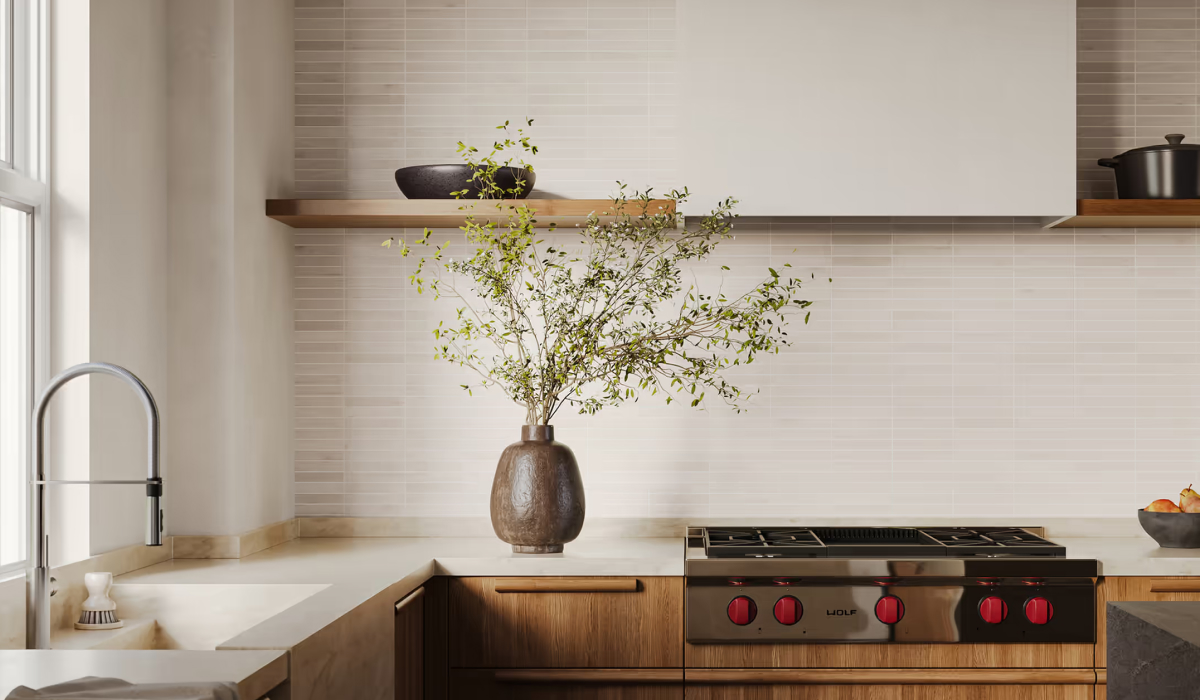
At the other end of the spectrum, homeowners may prefer a quieter backsplash with minimal visual interruption.
A simple tile, slab backsplash, or material that coordinates closely with the countertop can create a clean and cohesive appearance.
Keep Selections Organized From Design Through Construction
Backsplash selections may seem like a small part of a home, but they are one of many decisions that need to stay aligned throughout a build.
The final selection can involve homeowners, designers, suppliers, purchasing teams, installers, and other members of the construction team. If a material, color, size, or layout changes, everyone working on the project needs access to the latest information.
This is where having a centralized project record can help.
With Digs, builders can keep selections, specifications, plans, documents, photos, and project conversations connected in one place. Instead of searching through emails or separate files to confirm which backsplash was selected, the team can reference the project record.
That information can also remain useful after construction is complete. The final backsplash material, product information, and relevant documentation can become part of the home's digital record, giving homeowners and builders a reference for future maintenance or warranty questions.
Make the Homeowner Handoff More Useful
The backsplash is just one of the many selections homeowners will want to understand after moving into their home.
A digital home record can give homeowners access to information about the products and finishes used throughout the home, including relevant specifications, documentation, and warranty information.
For builders, keeping this information organized can also make future questions easier to answer. If a homeowner needs information about a particular material or finish years after closing, the project record can provide a starting point without requiring the builder to search through old emails or files.
Help Homeowners Make Confident Selections
Choosing a backsplash is ultimately a personal decision, but builders can make the process easier by helping homeowners understand how each option fits into the larger home.
The most useful questions are often simple:
- Does it work with the cabinets and countertops?
- Does it fit the way the space will be used?
- How much maintenance will it require?
- Does the material make sense for the location?
- Will the design work with the rest of the home?
- Is the final selection documented clearly?
When design preferences and practical considerations come together, homeowners can make selections that look good and work for their everyday lives.
And when those selections are documented throughout the build, the information remains useful long after the tile is installed.

A Small Selection With a Big Impact
A backsplash may cover only part of a kitchen or bathroom wall, but it can have a major impact on how the finished space looks and functions.
For homeowners, the right backsplash can bring together the design of a room while reflecting personal style. For builders, guiding that decision is an opportunity to create a smoother selection experience and maintain a clear record of the finished home.
Digs is an AI-powered collaboration software built for homebuilders. From pre-con to aftercare, it keeps your team, trades, and clients aligned with one centralized workspace for decisions, documentation, digital handoff, and ongoing warranty support.
Unlock a happier home at Digs.com